
Reviewed · COLOMBIAN CITY TOURS
Old Town and Quinta Pedro Alejandrino Santa Marta City Tour
Santa Marta’s story reaches back to 1525, making it Colombia’s oldest city. This private tour links its colonial center with Quinta de San Pedro Alejandrino, the hacienda where Simón Bolívar spent his final days. I like the mix of city walking and a quieter historic estate, and I like having hotel pickup in a private group. The main catch is the seven-hour schedule, which includes plenty of walking in Caribbean heat.
I especially appreciate the chance to see the Tayrona Gold Museum alongside the cathedral, parks, and monuments. Guides such as Jose, Duván, and Rosa have been praised for explaining local history in clear, engaging English or Spanish. Just confirm the museum plan if you visit on Monday, when it is closed, and remember that lunch and personal purchases are not included.
Key points to know before booking
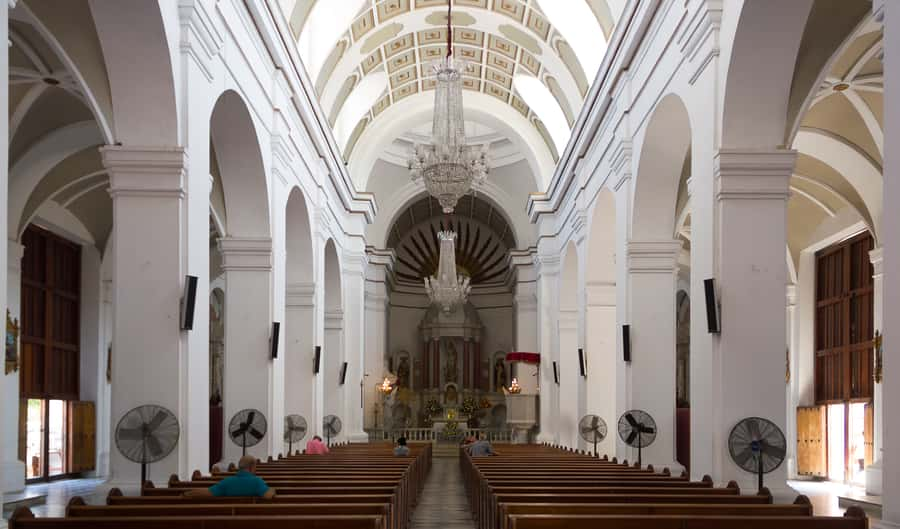
- Santa Marta’s oldest-city story: Walk through a city founded in 1525, with colonial streets, public squares, and links to Indigenous cultures and Spanish conquest.
- Simón Bolívar’s final days: Visit Quinta de San Pedro Alejandrino, the 17th-century hacienda where Bolívar died.
- Private guiding: Your own group travels with an English- or Spanish-speaking guide rather than joining a large coach tour.
- A useful museum stop: Entry to the Tayrona Gold Museum is included, except on Mondays when the guide offers another museum option.
- A full day on foot: The walking portion lasts about three and a half hours, with another hour set aside for the Quinta visit.
- Simple planning: Hotel, hostel, Airbnb, vacation rental, and city pickup and drop-off are included within Santa Marta.
Why Santa Marta’s old center matters
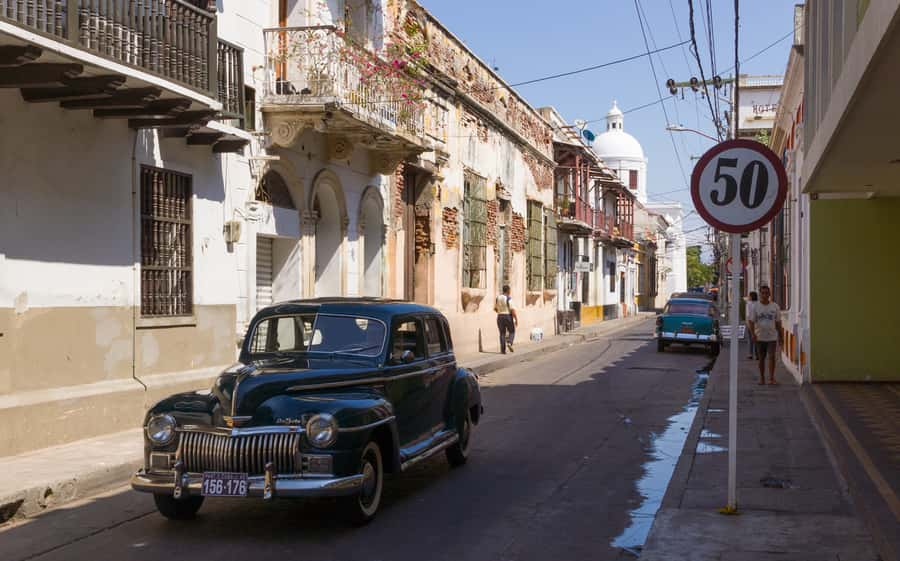
Santa Marta is easy to underestimate. It is smaller than Cartagena, and it has fewer grand colonial streets, but its importance is older and more layered. Founded in 1525, it is Colombia’s oldest city and the second oldest in Latin America.
I like this tour because it gives you a reason to look closely. A square may seem like a pleasant place to sit, but a guide can explain the people, conflicts, and political changes tied to it. A church may look simple from the outside, yet the cathedral holds the tomb of Rodrigo Bastidas, Santa Marta’s founder.
The city also connects several parts of Colombian identity. Indigenous roots, Spanish conquest, Caribbean customs, independence politics, and modern city life all meet here. You will not see every part of that story in one morning, but the route gives you a useful starting point.
The tour is private, so your guide can spend more time on the subjects that interest you. If you want dates and names, ask for them. If you prefer food, daily life, or local traditions, say so early. That flexibility is one of the better reasons to choose a private tour over a standard group walk.
More sightseeing days in Santa Marta
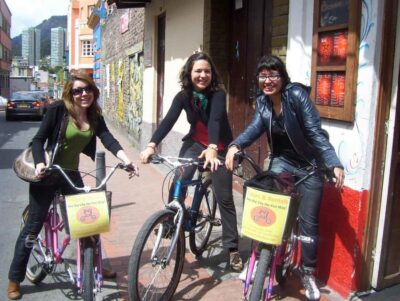
- Bogota: Bicycle City Tour
★ 4.9 · 2,156 reviews - Bogotá: Private City Tour, Monserrate, Emerald and Botero
★ 4.9 · 798 reviews - Cartagena: Panoramic City Tour, Monuments, Walls, Castle
★ 4.0 · 636 reviews
Walking through Parque de Los Novios and Bolívar Park
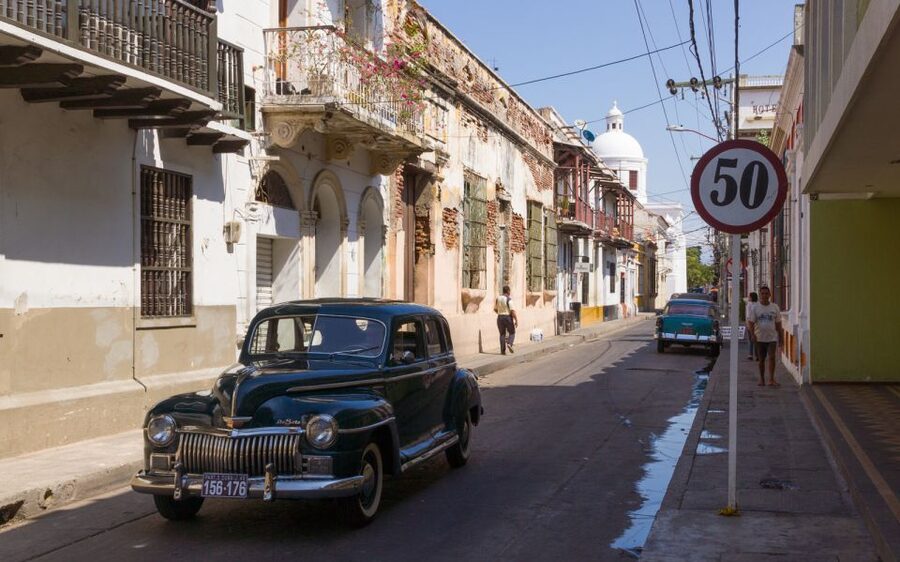
The city portion includes Parque de Los Novios and Simón Bolívar Park, two central public spaces that help you get your bearings. These are not just photo stops. They give you a look at how Santa Marta uses plazas as social rooms, shaded meeting places, and markers of civic memory.
You can expect to walk between several sights, with the guide pointing out details that are easy to miss on your own. The route also includes the monument to Rodrigo Bastidas, whose role in the founding of Santa Marta makes him an important figure in the city’s public story.
This is where the private format can make a real difference. A good guide can slow down for questions, explain why a monument matters, or point out changes in the surrounding streets. Jose has received particularly strong praise for his English and his ability to bring the city’s past to life. Duván has also been singled out for making overlooked places feel important.
Do not treat this as a hop-on, hop-off sightseeing ride. The walking is central to the experience. Bring water, use sunscreen, and wear shoes you can comfortably walk in for several hours. The tour operates in all weather, so light, weather-appropriate clothing is sensible.
Santa Marta Cathedral and the city’s Spanish past
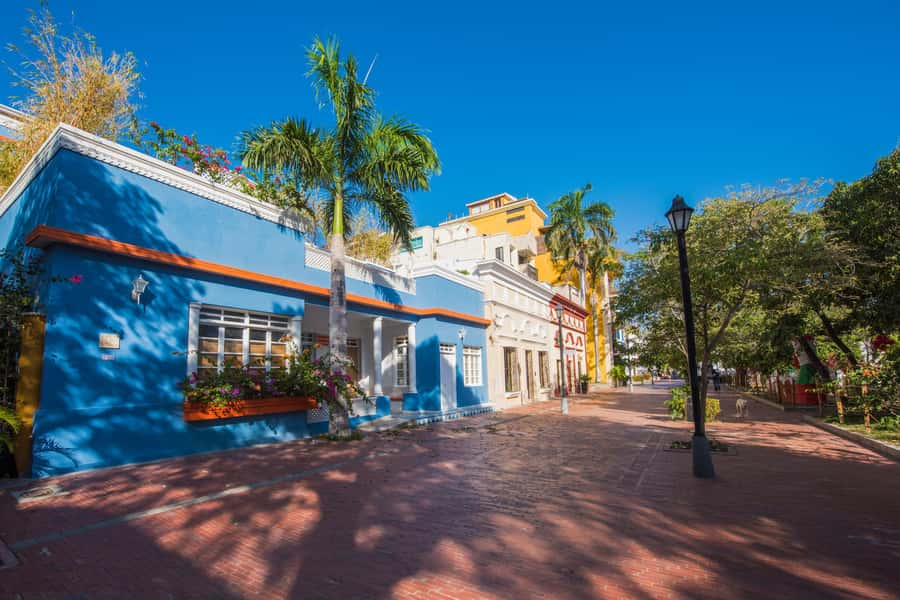
The main cathedral is another key stop. Its importance comes not only from its appearance, but from what it contains. The tomb of Rodrigo Bastidas ties the building directly to Santa Marta’s early colonial period.
A guide can help place the cathedral within the broader story of Spanish settlement and the city’s changing role on the Caribbean coast. You will also hear about the tension between Indigenous traditions and Spanish conquest, a subject that gives the city’s oldest buildings more meaning than their façades alone suggest.
The cathedral stop is likely to appeal most to you if you enjoy political and religious history. If you are mainly looking for elaborate interiors, Santa Marta may feel more restrained than Cartagena. One useful expectation to set is that the city’s appeal comes from its age, connections, and local setting rather than a long parade of monumental buildings.
The Tayrona Gold Museum and Indigenous culture
Entry to the Tayrona Gold Museum is included, and this is one of the tour’s strongest cultural stops. The museum helps explain the Indigenous societies connected to the region, including their craftsmanship, beliefs, and use of precious metals.
The visit adds balance to a tour that could otherwise focus too heavily on Spanish settlement and Simón Bolívar. The gold objects are not simply decorative pieces. They offer a way to think about the people and cultures that existed before, during, and beyond the colonial period.
The museum is closed on Mondays. If your visit falls on that day, the guide offers another museum according to your interests. Since the exact replacement is not specified, ask your guide what option is available when you book or at pickup.
The museum is also a good place to keep your expectations realistic. This is an interpretive stop, not a long museum visit with dozens of galleries. Its value comes from helping you understand the region before you continue to the streets and the Quinta.
A few more trips around Santa Marta worth a look
- Santa Marta: Sailboat day tour to Tayrona Park
★ 4.5 · 352 reviews - From Santa Marta: Tayrona National Park Guided Tour
★ 3.8 · 131 reviews - Tayrona Bay Sailboat trip
★ 4.5 · 107 reviews - Santa Marta: Minca Coffee, Cocoa, & Waterfall Full-Day Trip
★ 4.6 · 102 reviews
Entering Quinta de San Pedro Alejandrino
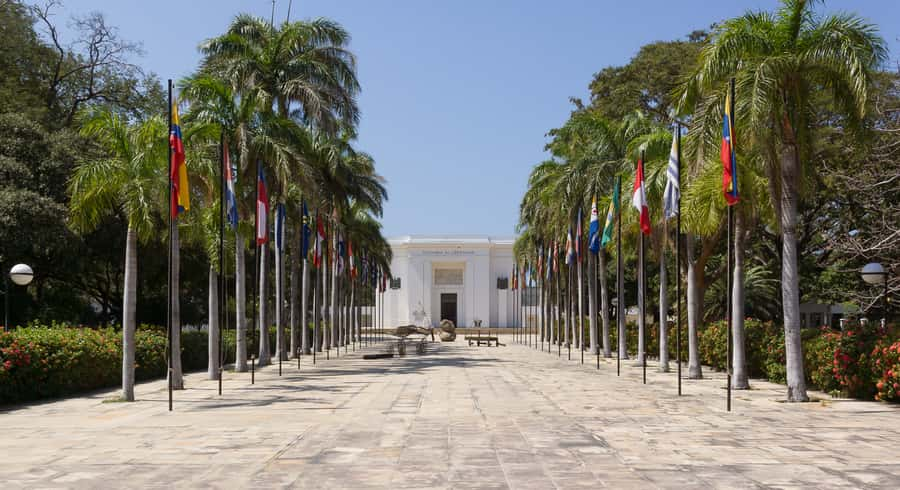
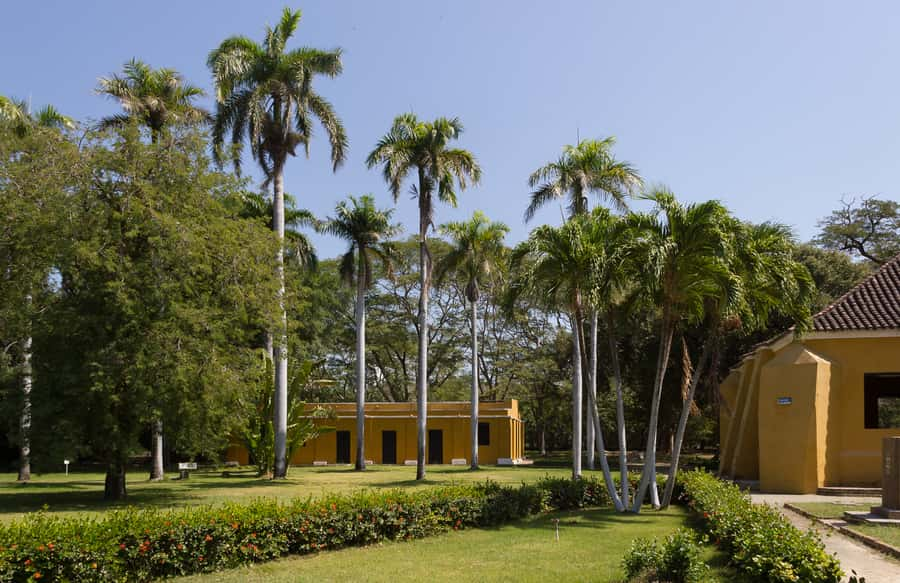
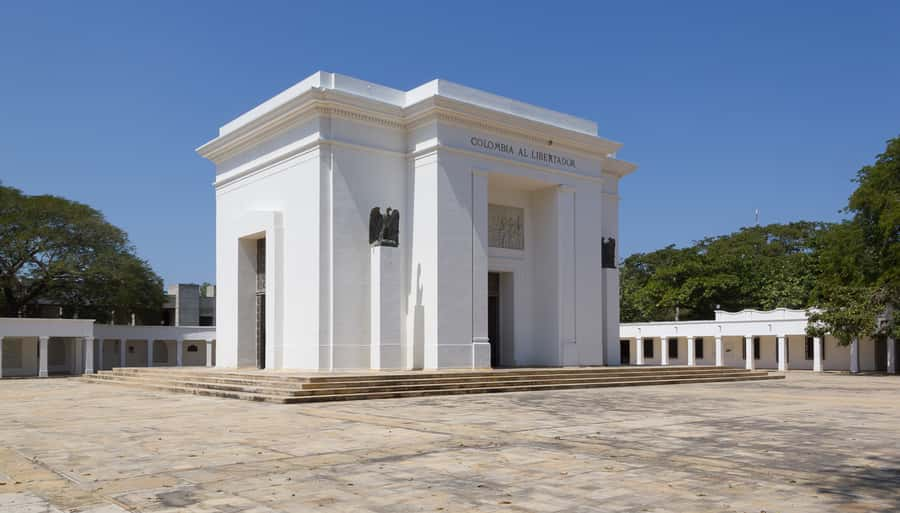
The tour’s most famous historic stop is Quinta de San Pedro Alejandrino, a 17th-century hacienda outside the old center. Simón Bolívar died here, making the site one of the most important places connected to South American independence.
The Quinta offers a change of pace after the city walking. You move from streets and public squares into gardens, patios, and shaded areas beneath trees. That setting matters. Bolívar’s final days become easier to picture in a place with open courtyards and a slower rhythm than the city center.
The visit includes a guided tour of about one hour. Your guide will explain Bolívar’s life and his role as a leading figure in South American independence. The stop is especially worthwhile if you already have some interest in Bolívar or want a clearer sense of how Colombian and wider South American history connect.
I would keep your expectations measured here. The Quinta is historically important, but the visit may feel less dramatic than its reputation suggests if you are expecting a grand palace or a vast museum. Its appeal lies in the location, the gardens, the patios, and the connection to Bolívar’s death.
One past assessment found the Quinta somewhat overrated, while the same experience praised the gold museum and a lunch stop in Taganga Bay. That is useful advice: if your main interest is Indigenous culture and museum collections, the morning city portion may be your favorite. If you care most about independence history, the Quinta will likely carry more weight.
How the seven-hour day works
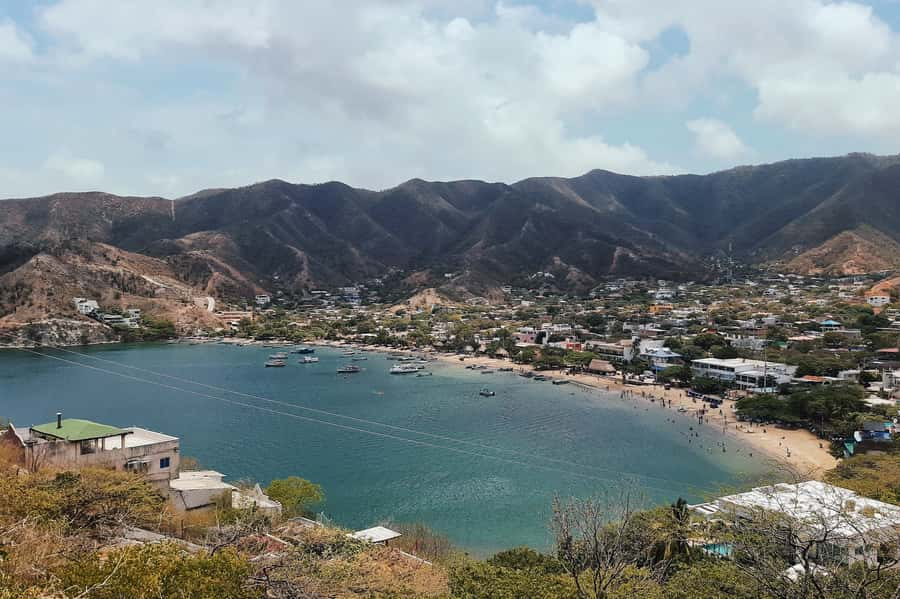
The advertised experience lasts seven hours, with pickup and drop-off in Santa Marta. The listed route gives about one hour to Quinta de San Pedro Alejandrino and three and a half hours for the Santa Marta visit, including guided walking. The remaining time allows for transport, transitions, and the included gastronomic experience.
The published route places the Quinta before the Santa Marta portion, while the tour description presents the old city first. The exact order may depend on the day’s schedule, so do not plan around a fixed sequence unless the operator confirms it.
Pickup is available from hotels, hostels, Airbnb properties, vacation rentals, and points of interest within Santa Marta city. That saves you from arranging a separate taxi to the starting point. At the end, the guide returns you to your accommodation.
The private group format should make the day easier to adjust. Still, seven hours is a long outing, particularly with three and a half hours of walking. You will get more from it if you start rested, carry water, and leave room in your schedule afterward.
Guides can make or break this experience
The strongest part of this tour is the guide. Jose has been praised for his excellent English and for covering Santa Marta’s major historic sites with clarity. Duván has been credited with showing why seemingly ordinary places deserve attention. Rosa has been appreciated not only for her local knowledge, but also for conversations about Colombian culture and history.
Andres has also been described as friendly and able to answer questions. These details matter because the route itself is not difficult to find. What you are paying for is the interpretation, context, transport, and private attention.
The experience is not guaranteed to feel identical every day. One less positive account described a pickup by taxi in which the driver did his best but did not seem to provide the full guide experience. I would confirm that you are receiving a proper guided tour, especially if your booking details do not clearly name the guide.
Language choices are English and Spanish. If you want the tour in English, select that option and confirm it at booking. A strong guide can turn a basic walk into a much more useful introduction to Santa Marta.
What the $90 price includes
At $90 per person, the tour is not the cheapest way to see Santa Marta. Its value depends on how much you want handled for you.
The price includes a private guide, hotel pickup and drop-off, entry to the Tayrona Gold Museum, entry to Quinta de San Pedro Alejandrino, a gastronomic experience, and all-risk insurance. Those inclusions reduce the number of separate arrangements you need to make during a full day.
Lunch is not included, and extra purchases are your responsibility. The gastronomic experience should not be treated as a full meal unless the operator explains exactly what it covers. Plan for lunch money, particularly if you want to eat during the day.
I think the price makes the most sense for couples, families, or small groups who value private transport and personal guiding. Solo visitors may find it harder to justify unless the history and convenience are a high priority. If you are comfortable arranging your own taxis and walking route, you can spend less, but you will give up the private structure and local explanation.
Who should book this tour
I would choose this experience if you want a first look at Santa Marta and prefer history to a beach-only day. It suits people who like walking through old districts, visiting museums, asking questions, and connecting famous names with real places.
It also works well for visitors with limited time. In one day, you get the central historic sights, the cathedral, an Indigenous culture museum, and Bolívar’s final home. That is a useful sweep of the city’s past.
Families can benefit from the private format, since the guide may be able to adjust the pace. History-minded visitors will appreciate the combination of Rodrigo Bastidas and Simón Bolívar. English-speaking visitors should request an English guide, with Jose being one name associated with especially strong language and guiding skills.
I would hesitate if you dislike walking, struggle in hot weather, or mainly want grand architecture. Santa Marta is smaller and less monument-heavy than Cartagena. The tour is strongest when you approach it as a story-led introduction to an old Caribbean city, not as a nonstop series of spectacular buildings.
Practical advice for a better day
Wear comfortable shoes and weather-appropriate clothing. The tour runs in all weather, and the walking portion is substantial.
Bring water and keep drinking throughout the day. Sunscreen is also important, as shaded patios at the Quinta do not mean every part of the route will be protected from the sun.
Carry a camera if you enjoy documenting historic streets, monuments, gardens, and museum displays. Ask about the museum plan if you are visiting on Monday.
Finally, tell your guide what you want to understand. Ask for more detail about Indigenous culture, Spanish conquest, Bolívar, city life, or local food. Private guiding is most valuable when you use it as a conversation rather than simply following from stop to stop.
Should you book the Santa Marta city tour?
Book it if you want a well-organized introduction to Santa Marta with a private guide, included entries, and transport from your accommodation. The gold museum and the city walk provide useful context, while Quinta de San Pedro Alejandrino adds a major independence-era site.
Skip it if you want a relaxed beach day, dislike walking, or expect Cartagena-sized colonial grandeur. Also check the guide arrangement and Monday museum substitution before paying.
For most first-time visitors who want to understand why Santa Marta matters, the tour offers solid value. Its best moments come from the explanations by a strong guide, especially around the cathedral, Indigenous collections, and Bolívar’s final home.
FAQ
How long does the Santa Marta city tour last?
The experience lasts seven hours, including transportation, guided visits, walking, and the included gastronomic experience.
What language is the tour offered in?
The live guide speaks English or Spanish.
Is the tour private?
Yes. The experience is arranged for a private group.
Where does pickup take place?
Pickup is available anywhere within Santa Marta city, including hotels, hostels, Airbnb properties, vacation rentals, and points of interest.
Is hotel drop-off included?
Yes. The guide returns you to your hotel or other accommodation within Santa Marta city.
What is included in the price?
The price includes the Gran Colombia Tours guide, hotel pickup and drop-off, entry to the Tayrona Gold Museum, entry to Quinta de San Pedro Alejandrino, gastronomic experiences, and all-risk insurance.
Is lunch included?
No. Lunch is not included, so you should bring money for your meal.
What happens if I visit on a Monday?
The Tayrona Gold Museum is closed on Mondays. The guide will offer another museum option according to your interests.
Is the tour suitable for people who do not like walking?
The tour includes a walking visit of about three and a half hours, so comfortable shoes and water are important.
Can I cancel the booking?
You can cancel up to 24 hours in advance for a full refund. You can also reserve now and pay later.
Just added in Santa Marta
- Tayrona Park Hike Tour to Cabo San Juan: Private or Shared★ 4.5 · 44 reviews
- Trekking Cerro Kennedy 2 days★ 5.0 · 47 reviews
- Santa Marta Street Food Tour: 7 Tastings with a Local Guide★ 5.0 · 39 reviews
- Los Naranjos Beach Horseback Riding Tayrona Park.★ 5.0 · 32 reviews
- Tour en Velero a Bahía Concha Parque Tayrona★ 3.5 · 4 reviews
- Tayrona Park & Playa Cristal★ 3.8 · 4 reviews
- Tayrona Park & Cabo San Juan★ 3.5 · 20 reviews
- SPEEDBOAT TOUR TO TAYRONA CRISTAL BEACH★ 3.7 · 7 reviews
Colombian City Tours, compared.
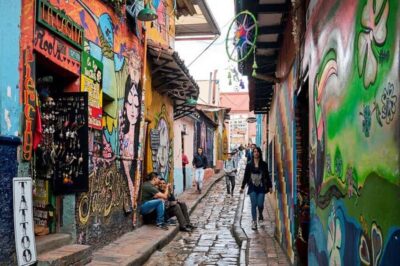
Private City Tour, Monserrate, Emerald and Botero
Read our review →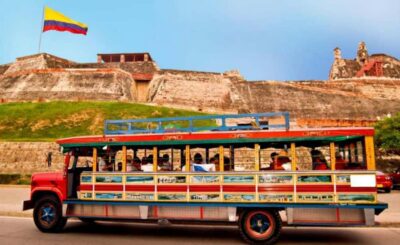
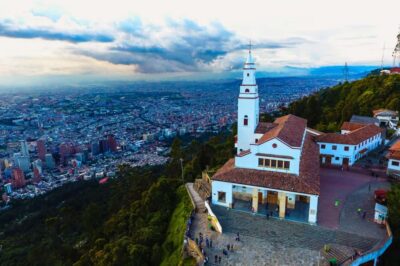
Bogotá City Tour with Monserrate, Gold and Botero Museums
Read our review →
Private City Tour with Metrocable and Comuna 13
Read our review →
3-in-1 Panoramic city tour Bogotá-beyond the traditional
Read our review →
Browse the lists this tour appears in