
Reviewed · CALI TOURS
The Cali Salsa Tour
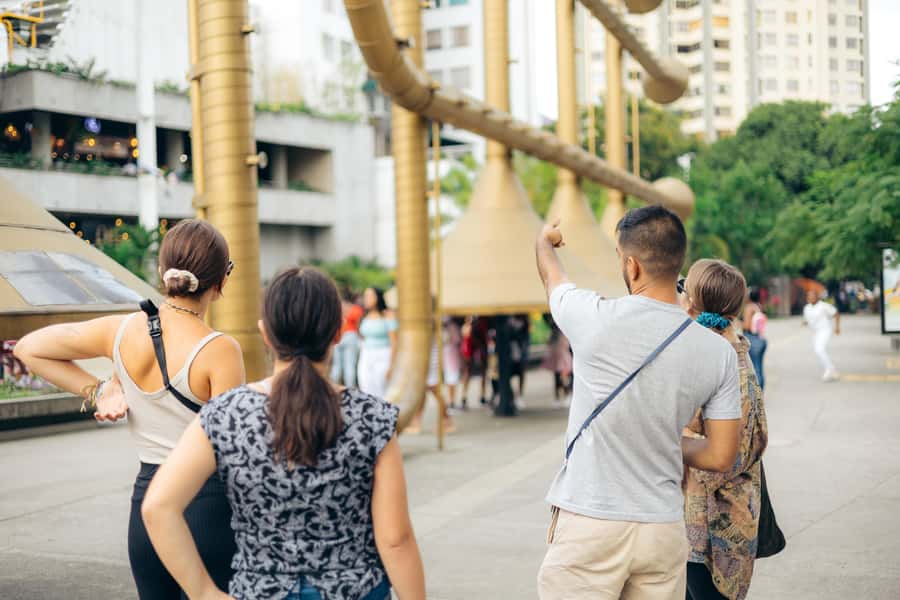
Cali’s salsa story comes alive through music, museums, food, and dancing, not through a bus window. You begin beneath the golden trumpets of Jairo Varela Square, learn how Grupo Niche shaped the city’s sound, taste fritanga and cholado, then finish with a serious salsa class at La Topa Tolondra. I like the clear connection between the places and the music, and I like that the tour brings you into Barrio Obrero, where Cali’s dance style took root. The one caution is pace: the two-hour salsa museum visit can feel lecture-heavy if you do not speak Spanish.
I especially like the personal touch provided by guides such as Juan Camilo and Vivi, who are praised for making the day feel flexible and friendly. You get more than a dance lesson, but this is not a quick sightseeing outing. Allow 330 minutes, wear shoes you can move in, and expect to spend much of the day listening, walking, eating, and dancing.
Key points at a glance
- Start beneath Cali’s golden salsa trumpets: Jairo Varela Square introduces the city’s musical identity with a monument designed for sound, photos, and a short opening lesson.
- See Grupo Niche memorabilia: The Museo Jairo Varela includes original recording equipment and awards connected with one of Colombia’s major salsa groups.
- Taste Cali between museum stops: Fritanga, lulada, champús, and cholado give you a useful break from the music and movement.
- Visit the world’s oldest salsa museum: Museo De La Salsa in Barrio Obrero links Cuban music, local neighborhoods, and Cali’s own dance style.
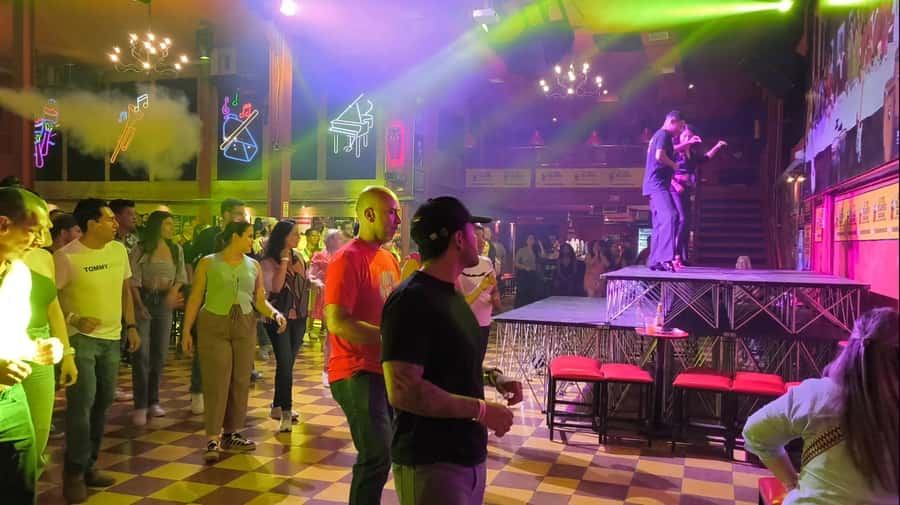
- Finish with two hours of dancing: La Topa Tolondra provides the longest practical lesson, with instruction for beginners through advanced dancers.
- Plan for a long, active afternoon: Transportation is included only between the Jairo Varela Museum and the salsa museum, so comfortable shoes and a little advance planning help.
Starting at Jairo Varela Square beneath the trumpets
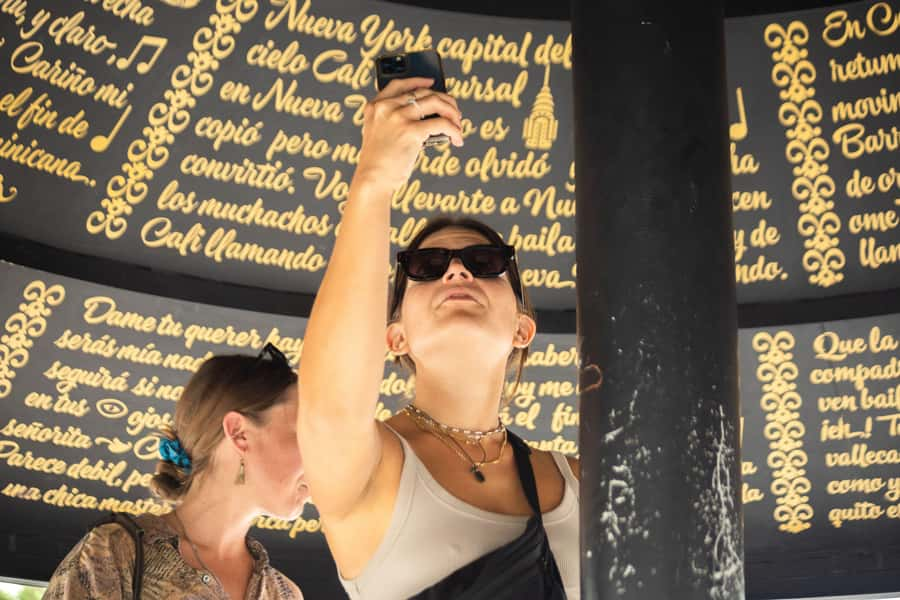
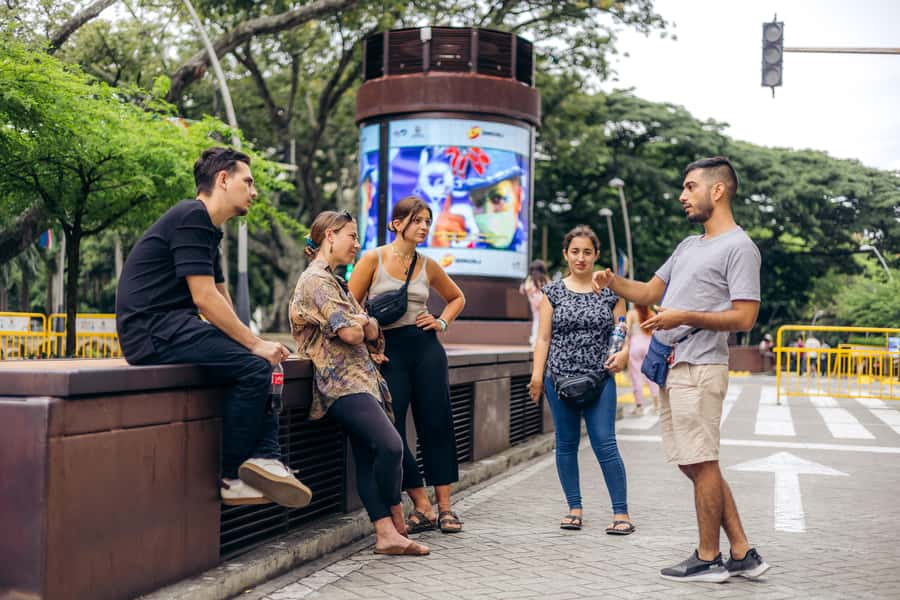
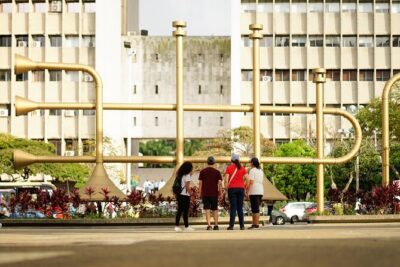
Meet at Plazoleta Jairo Varela, also called Salsa Plaza or Trumpet Plaza. The easiest landmark is the large golden trumpet monument. This is a good meeting place because the tour begins with Cali’s public musical identity rather than with a generic city walk.
The opening workshop lasts about 15 minutes. You get a short introduction to salsa’s place in Cali, followed by an express class. It is designed for all levels, so you do not need a dance background to join in. If you already dance, treat this part as a warm-up and a chance to hear how the guide frames Cali’s particular style.
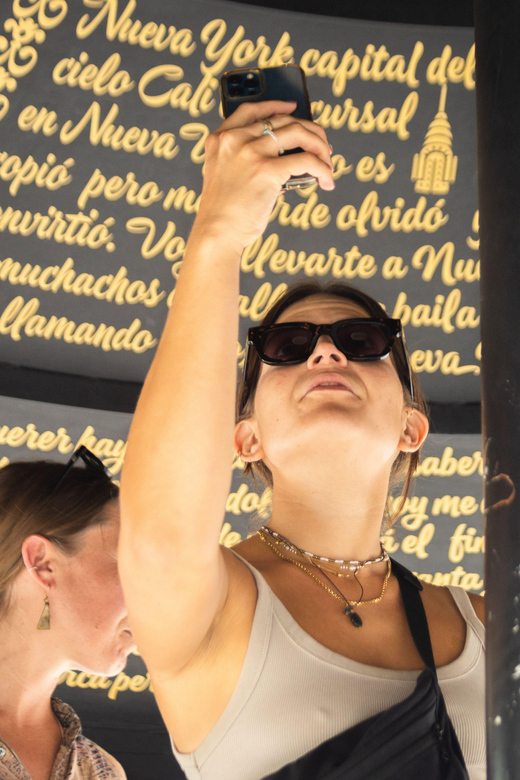
The nearby Niche trumpet monument gets another 15 minutes for photos and explanation. The tour points out a second instrument painted over the street, along with details that are easy to miss if you simply stop for a picture. This is a small stop, but it gives the route a sense of place. You are not just being taken to a dance club. You are being shown how salsa is presented in the center of Cali.
Bring your camera for the outdoor sections. The restrictions come later: photography inside Museo De La Salsa is not allowed.
A few more trips around Cali worth a look
- Shared Tour Cali’s Historical Downtown
★ 4.8 · 143 reviews - Historical Shared Tour Salsa, Graffiti & Resistance in Cali
★ 5.0 · 107 reviews - The Cali Street Food Walking Tour
★ 5.0 · 81 reviews
The Grupo Niche story at Museo Jairo Varela
From the square, the tour continues to Museo Jairo Varela for roughly 30 minutes. This stop focuses on Grupo Niche and its influence on Colombian music and salsa in Cali. You will see memorabilia, original recording equipment, and awards from the group’s career.
For me, this is one of the strongest parts of the route because it gives the dancing a musical framework. Salsa can look like a set of quick steps when you first arrive in Cali. Here, you get a clearer sense of the people, instruments, and recording work behind the songs.
The museum visit is guided, so it is more useful if you listen closely than if you rush through the displays. English and Spanish guiding are available, though the amount of detail you absorb will depend on your language comfort. One English-speaking participant found the longer museum explanation later in the day difficult, so tell the guide early if you need a simpler pace or more help with translation.
The included transportation begins after this museum, taking you to Barrio Obrero and Museo De La Salsa. That detail matters. Hotel pickup and drop-off are not included, and the tour does not promise transport for every part of the day. Confirm where you need to be before the tour starts and allow time to return to the square at the end.
A food stop with Cali’s everyday flavors
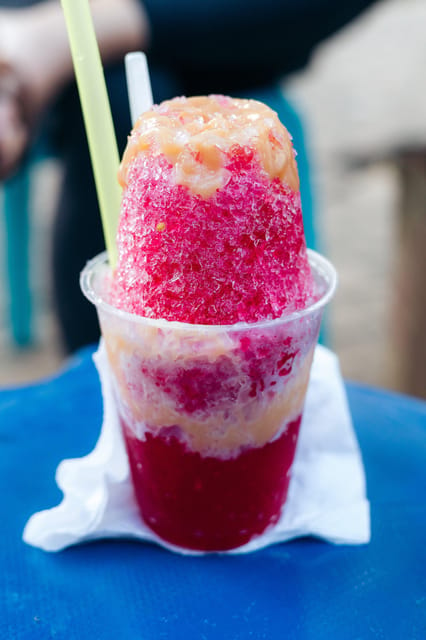
The food break is not a full restaurant meal, but it covers both savory snacks and cooling drinks. You may try fritanga items such as empanadas, marranitas, and aborrajado, along with lulada, champús, and cholado.
This is a useful pause in the middle of an active tour. Fritanga gives you something substantial before the longer museum and dance portions. Lulada, champús, and cholado offer sweeter, cooler options if you mainly need a break from the afternoon heat.
The selection also adds cultural value. You are tasting familiar local foods rather than stopping for a standard international snack. If you have dietary restrictions, personal expenses are not included, and the supplied information does not specify substitutions, so ask the guide before ordering.
A bottle of water and beer are included for hydration. Beer may not suit everyone, especially before a two-hour dance class, so make use of the water and pace yourself. You will enjoy the final class more with comfortable energy than with a full stomach or too much alcohol.
Barrio Obrero and the world’s oldest salsa museum
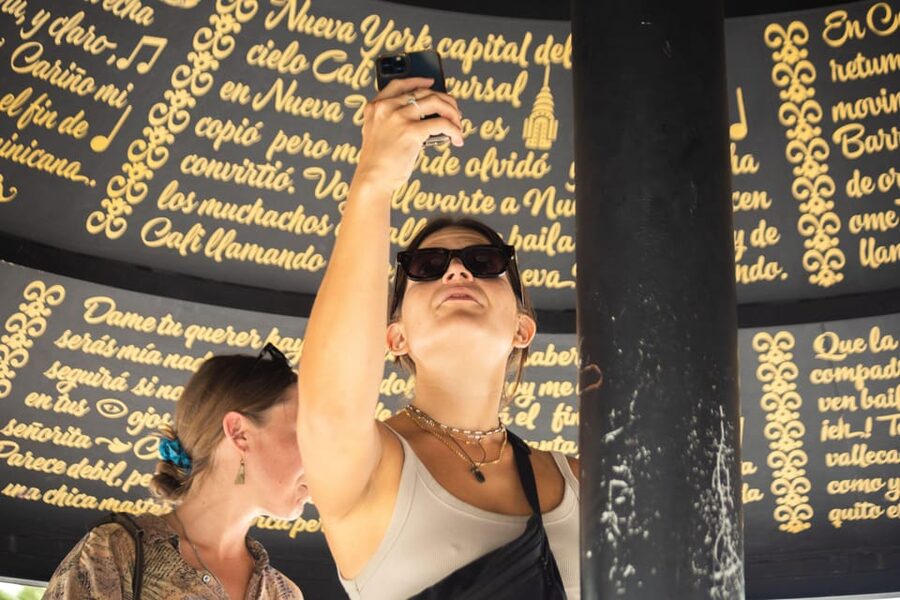
The route then reaches Museo De La Salsa in Barrio Obrero, with about two hours set aside for the visit and guided presentation. The museum is described as the oldest salsa museum in the world. Its importance is not only the age of the collection, but also the neighborhood around it.
Cuban music first reached this part of Cali and helped shape the city’s salsa culture. Barrio Obrero became connected with the local dance style, making the museum a useful place to understand how an international sound became something distinctly Caleño.
The museum is presented as a family-friendly place filled with music, dance, history, and souvenirs. The younger generation of the neighborhood now helps lead it, while its founder was a local photographer. That community connection gives the stop a more personal feel than a polished, formal museum.
You should set your expectations correctly. Two hours is a long time for one museum visit, particularly if you do not speak Spanish. The guide may spend substantial time explaining photographs, musicians, instruments, and the development of salsa in Cali. If you want a quick look at displays followed by dancing, this part may feel slow. If you enjoy stories and local context, the length helps the neighborhood’s history make sense.
Do not photograph the images inside the salsa museum. This rule is specifically highlighted, so keep your camera away once you enter. You can still take photos at the outdoor monuments and, according to the activity details, photos were taken at the first museum stop.
The museum is also more than a room of exhibits. Dancing forms part of the visit, which helps break up the explanations. You may find yourself practicing steps there before reaching the formal class at La Topa Tolondra.
Same city, a different sort of day:
- San Cipriano Rainforest – River, Waterfalls and Adventure Day
★ 5.0 · 73 reviews - Cali: Street Food Tour
★ 4.8 · 71 reviews - Cali: Walking tour of the historic center
★ 5.0 · 69 reviews - Afro Walking Tour. The colors of Cali.
★ 5.0 · 61 reviews
Two hours at La Topa Tolondra
The last major stop is La Topa Tolondra Nightclub, where the tour includes an intense two-hour salsa class. This is the point where the day shifts from watching and listening to doing.
The class welcomes beginners, intermediate dancers, and advanced participants. Beginners should not worry about arriving without steps. The opening lesson has already introduced the basics, and the later class gives you time to repeat them. More experienced dancers can use the session to work on timing, footwork, and movement without needing a private beginner-only format.
Two hours is long enough to make progress, but it also makes footwear important. Wear comfortable clothes and shoes that allow movement. Avoid treating this as a dress-up evening unless your clothes still let you turn, step, and bend easily.
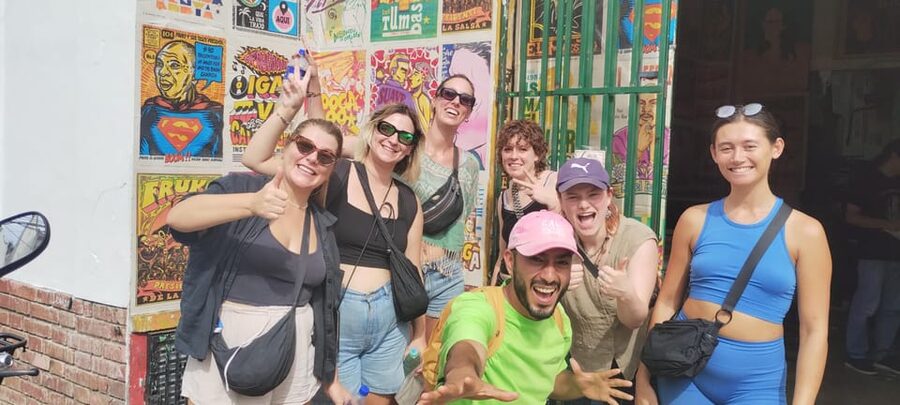
La Topa Tolondra also gives you a social setting. The tour is intended as a place to meet local people and other visitors, not simply as a private lesson in an empty studio. That can be a plus if you want contact with Cali’s salsa scene. It may be less appealing if you prefer quiet sightseeing or dislike dancing in front of others.
The class is also why the day feels active rather than passive. You spend time learning, watching, and tasting, but the final section asks you to put the day’s ideas into your own body. Expect to be warm and tired by the end.
What makes the route worth the price
The listed price is $77 per group of up to one person, so check the booking screen carefully if you are booking for more than one participant. The price is best judged against what is included: two museum visits, two separate salsa teaching sessions, a food tasting, water and beer, and transportation between the Jairo Varela Museum and the salsa museum.
For a person who wants only a dance class, this is not the cheapest possible way to spend an afternoon. You are paying for a five-and-a-half-hour cultural route, not just two hours of instruction. The value improves if you would otherwise pay separately for museum entries, local food, a guide, and a club class.
The strongest value comes from the connection among the stops. Grupo Niche gives you a major musical reference. Barrio Obrero gives you the neighborhood story. La Topa Tolondra gives you practice. The food break keeps the route from becoming a continuous lecture or class.
I would be more cautious if your main goal is a relaxed city walk. Much of the day is structured, and the museum section may be longer than expected. The route is also not hotel-to-hotel. You arrange your own way to the meeting point and return from the final square.
Language, accessibility, and practical planning
The tour is offered in English and Spanish, and it is wheelchair accessible. The activity details do not explain the exact route conditions at each individual stop, so if you use a wheelchair, confirm the practical access details before booking.
Free cancellation is available up to 24 hours before the start for a full refund. You can also reserve and pay later, which helps if your Cali schedule is still changing.
The tour lasts 330 minutes, or five and a half hours. The listed stop times add up to about five hours, with the remaining time allowing for movement, food, and transitions. Check the available starting times before booking because the exact schedule can affect your plans for the rest of the day.
Here is how I would prepare:
- Wear soft, comfortable clothing and shoes made for dancing.
- Bring water even though one bottle is provided.
- Take outdoor photos before entering Museo De La Salsa.
- Tell the guide if you prefer explanations in English or Spanish.
- Do not plan a demanding activity immediately afterward.
- Arrange your own transport to the square and remember that only one transfer is included.
Who should book this Cali salsa tour?
You should book it if you want context before you dance. It suits a first visit to Cali, a curious music fan, a solo participant hoping to meet people, or a couple looking for a structured cultural afternoon. Beginners are welcome, and the class does not assume you already know salsa.
It is also a good match if you enjoy local food and neighborhood stories as much as formal attractions. Guide Juan Camilo is specifically praised for personal attention, and Vivi also receives strong praise. The best experiences here seem to depend partly on the guide’s ability to adjust the day to your interests.
You may want a shorter option if you already know Cali’s salsa history, dislike museum talks, or only want club dancing. The two-hour visit to Museo De La Salsa is the main time commitment, and a non-Spanish speaker may find parts of it demanding.
Should you book it?
Book this tour if you want to understand why salsa matters in Cali, not just copy a few steps. The route links Jairo Varela, Grupo Niche, Barrio Obrero, local snacks, and La Topa Tolondra in a logical five-and-a-half-hour program.
Skip it if you want a quick class or a free evening with no fixed schedule. For everyone else, the combination of personal guiding, music history, local food, and a substantial final class makes the $77 group price a fair choice, provided you are ready for a full and active day.
FAQ
Where does the Cali salsa tour begin?
It begins at Plazoleta Jairo Varela, also called Salsa Plaza or Trumpet Plaza. Look for the large golden trumpet monument.
How long does the tour last?
The tour lasts 330 minutes, or about five and a half hours. Starting times vary, so check availability when booking.
Which languages are available?
The tour is offered in English and Spanish with a live guide.
Is the salsa class suitable for beginners?
Yes. The introductory class and the two-hour class at La Topa Tolondra are intended for all levels, from beginners to advanced dancers.
What food and drinks are included?
The food tasting includes local items such as empanadas, marranitas, aborrajado, lulada, champús, and cholado. A bottle of water and beer are also included.
Can I take photographs inside the salsa museum?
No. Photography inside Museo De La Salsa is not allowed. Outdoor photography and photos at the first museum stop are permitted according to the activity details.
Is transportation included?
Transportation is included from Museo Jairo Varela to Museo De La Salsa. Hotel pickup and drop-off are not included.
Just added in Cali
- Street Food Tour – Live A Unique Gastronomic Experience★ 5.0 · 34 reviews
- Salsa Bar Hopping in Cali★ 4.5 · 43 reviews
- Pance Waterfalls: Hike to discover the biodiversity of the valley★ 5.0 · 33 reviews
- Salsa & Music Tour of Cali★ 5.0 · 42 reviews
- Rivering in The Danube (The Mermaid)★ 5.0 · 40 reviews
- Cristo Rey, Tertulia Museum and Downtown Cali City Tour★ 4.5 · 44 reviews
- Easy Birdwatching in Cali Colombia (4 Hours)★ 5.0 · 33 reviews
- 3 Days in Malaga Bay (Pacific Coast)★ 5.0 · 31 reviews
Cali Tours, compared.
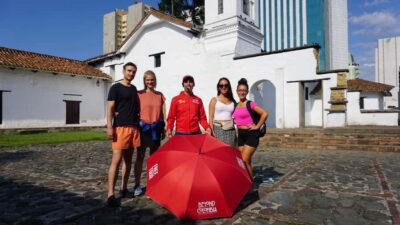
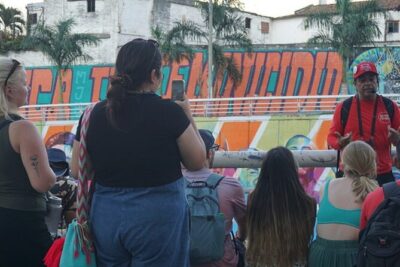
Historical Shared Tour Salsa, Graffiti & Resistance in Cali
Read our review →
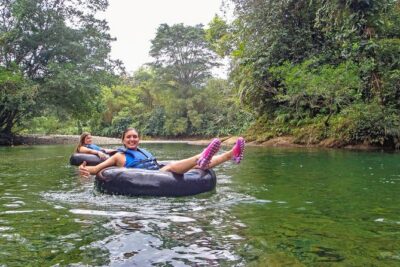
San Cipriano Rainforest – River, Waterfalls and Adventure Day
Read our review →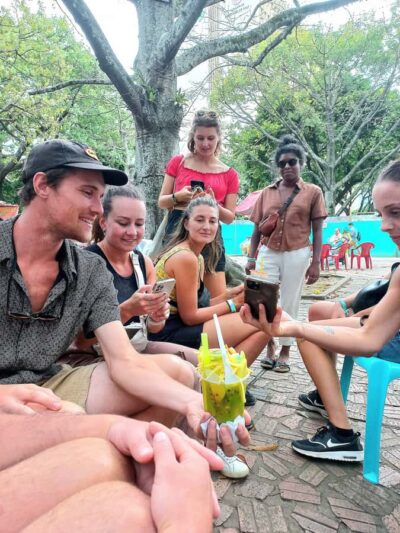
Browse the lists this tour appears in