
Reviewed · CALI TOURS
Salsa & Music Tour of Cali
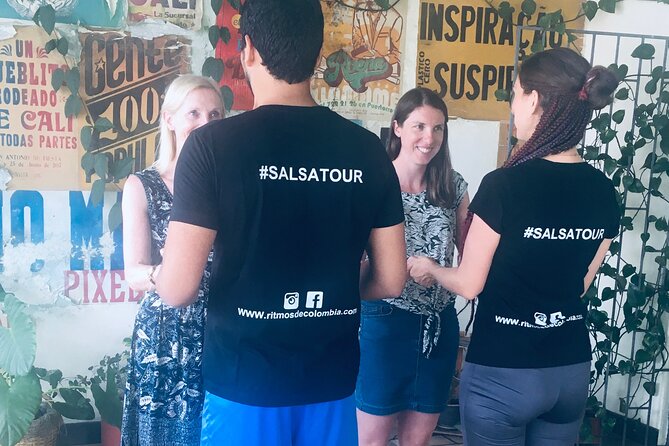
Cali’s salsa scene is not just a late-night club ritual. It is music history, neighborhood life, old records, social dancing, and a way of seeing the city. This tour connects those pieces in one afternoon and evening, with a dance lesson included and a guide who can explain what you are hearing and watching.
I like the small group limit of 14 and the way the route changes by day. I also like that your drink, transportation, dance class, and even an instruments class are included. The main thing to consider is that you cannot expect the same program every day. Sunday and holiday departures skip the museum, Monday through Wednesday usually include La Topa Tolondra, and Thursday through Saturday favor a street event.
Key points to know before booking
- The route changes with the calendar: You may visit the Salsa Museum, La Topa Tolondra, or a public street event, depending on the day.
- Dance beginners are welcome: Guides such as Daniel and Carlos Mario have spent extra time helping first-timers repeat the steps.
- The vinyl stop is unusually personal: A longtime collector plays old records from turntables in a small kiosk-bar.
- One drink is included: Choose a beer, soft drink, or shot of liquor, while dinner and extra snacks cost more.
- The group stays manageable: No more than 14 people take part, with transport between stops.
- Expect local context, not only dance steps: Guides such as Susanna, Catalina, Mario, and Daniel explain Cali’s music, people, and customs along the way.
Why this tour makes sense in Cali
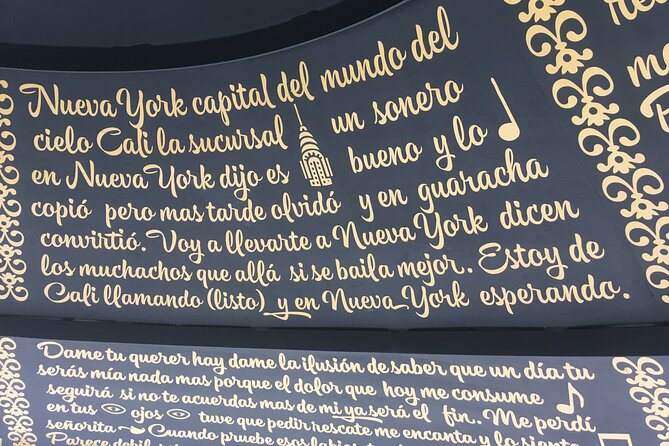
If you arrive in Cali knowing little about salsa, it can be hard to understand what you are seeing. A crowded dance floor may look like a blur of quick feet. The music may sound similar from one bar to the next. This tour gives you a framework, then sends you out to try it yourself.
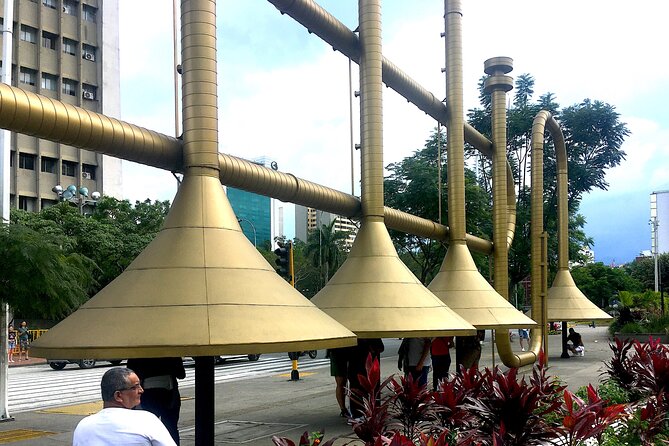
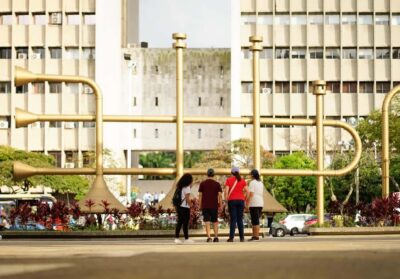
The format runs about four to five hours. That is long enough to cover several parts of the city’s salsa culture without turning the evening into a full-day commitment. You begin at the Trumpet of Niche Monument at Plazoleta Jairo Varela in Granada, then move by private transportation to a changing set of cultural spots.
I would book this early in a Cali stay if salsa is one of your main interests. The tour can give you names of places to return to, explain what kind of salsa you are hearing, and help you feel less lost when you visit a club later on your own. It is also booked about 35 days ahead on average, so last-minute availability may not be reliable.
A few more trips around Cali worth a look
- Shared Tour Cali’s Historical Downtown
★ 4.8 · 143 reviews - Historical Shared Tour Salsa, Graffiti & Resistance in Cali
★ 5.0 · 107 reviews - The Cali Street Food Walking Tour
★ 5.0 · 81 reviews
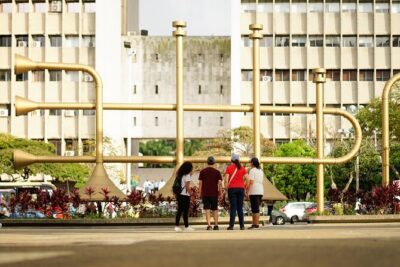
Starting at the Trumpet of Niche Monument
The meeting point is the Trumpet of Niche Monument at Plazoleta Jairo Varela, in the Granada area. This is a practical starting place because it is near public transportation and easy to identify.
The tour usually ends somewhere different. The stated end point is on Calle 2 in Comuna 3, but most days finish near the San Antonio neighborhood or along Boulevard street. Confirm the evening’s final stop with your guide, especially if you are arranging a taxi, dinner, or another booking afterward.
The changing endpoint is not a flaw, but it does require a little planning. You are not being returned to the starting monument after every route. Since the final stop can be a club or street event, wear shoes you can dance in and carry only what you need.
The Salsa Museum and Cali’s musical story
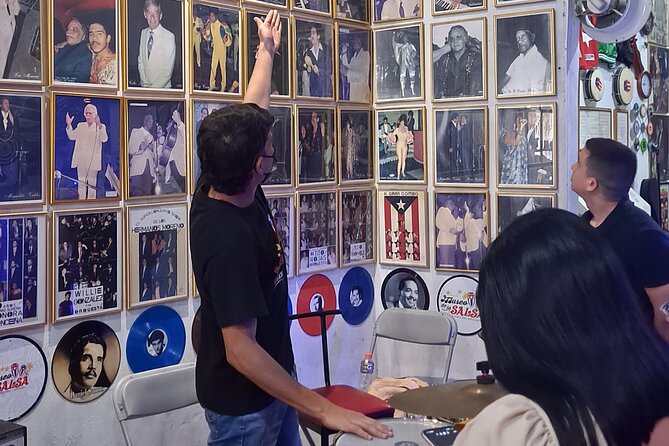
On days when it is open for the tour, the Museo De La Salsa in the Obrero neighborhood gets about an hour and 15 minutes. Admission is included.
This is the part that gives the rest of the evening meaning. You learn about more than 50 years of salsa in Cali and the different versions of the music connected with Latin American countries. A good guide can translate the displays and explain the connections instead of leaving you to read isolated labels.
Daniel has been praised for translating clearly in English and adding cultural context. Marlon, who has also guided at the museum, is known for bringing strong musical enthusiasm and dance skill to the stop. Guide assignments can vary, but the museum is most useful when you ask questions about the music, not just the dates.
The museum is not included on Sunday or holiday departures. That is the biggest schedule difference to note. If you want the fullest history portion, choose a regular day when the museum is part of the route.
Afternoon salsa in places used by locals
The next stop is a changing cultural salsa venue in Cali, usually for about an hour. The specific location varies each day, and admission is free.
This variation is one of the tour’s strengths. You are not being sent to one fixed room with the same performance every afternoon. You might see a different social setting, style of dancing, or local crowd depending on the day. The route is designed to show how salsa works as part of ordinary city life, not only as a show prepared for tourists.
You may see local dancers alongside beginners. That can feel intimidating for the first few minutes, especially if you have never danced salsa in public. The guides help make the gap less awkward. Daniel, Carlos Mario, Mario, and Susanna have all been praised for making newcomers feel welcome and for helping people keep going after the formal lesson.
You should not expect a private dance floor or a carefully controlled class environment at every stop. The value comes from seeing real social dancing, with all the energy and unevenness that brings.
Same city, a different sort of day:
- San Cipriano Rainforest – River, Waterfalls and Adventure Day
★ 5.0 · 73 reviews - Cali: Street Food Tour
★ 4.8 · 71 reviews - Cali: Walking tour of the historic center
★ 5.0 · 69 reviews - Afro Walking Tour. The colors of Cali.
★ 5.0 · 61 reviews
The longtime record collector’s kiosk-bar
One of the most distinctive stops is a small kiosk-bar run by a salsa vinyl collector. You spend about 45 minutes listening to old records played from turntables and trying dance steps or instruments.
The collector is described as a friend of Héctor Lavoe and has hosted the bar for decades. That detail gives the stop a personal link to salsa’s older generation. It feels less like a museum display and more like entering someone’s working music room, except the room is a real neighborhood bar.
This is a good place to listen rather than rush. Ask the guide to point out what makes one recording different from another. You can also try instruments and practice the steps introduced during the tour.
The stop is small, so it is not designed for a large crowd or a polished stage program. That is exactly why it works. You are close to the records, the equipment, and the person who has spent years collecting them.
Learning Cali-style salsa before going out
The tour includes a dance class, and on Monday through Wednesday the program includes La Topa Tolondra for about an hour. Admission is included, and you can stay for the party afterward.
La Topa Tolondra is a popular salsa bar with Cali-style salsa lessons. This is where the practical part of the afternoon starts to pay off. You have already heard some of the music and seen how people dance. Now you get a chance to put your feet to work.
If you are a beginner, expect to learn basic steps rather than master Cali salsa in one session. That is still valuable. Several guides have spent extra time reviewing movements after the formal class, which matters if the first explanation goes by too quickly.
The most useful attitude is to treat the class as permission to participate, not as a test. You do not need polished footwork to join the floor. The guides’ role is to help you stay comfortable and understand the rhythm well enough to keep trying.
La Topa Tolondra is generally part of the Monday through Wednesday program. If you book another day, you may have a different dance setting instead.
Thursday through Saturday: a street event
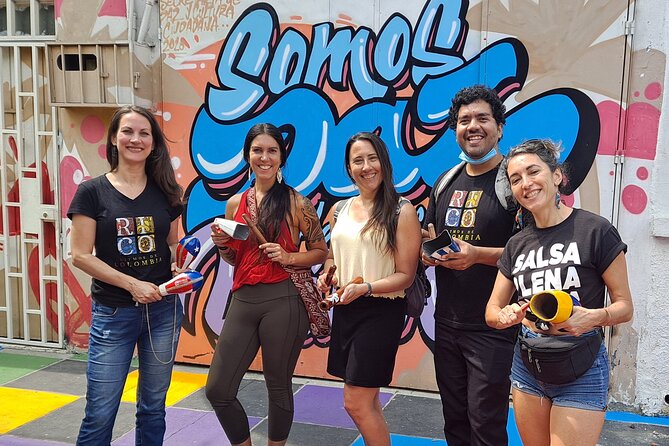
From Thursday through Saturday, the route includes a street event for about an hour. This replaces the Monday through Wednesday La Topa Tolondra stop in the published schedule.
A street event gives you a different view of Cali’s salsa culture. Instead of a bar with a defined entrance and dance floor, you watch the music operate in public space. The experience may include local dancing and a closing show, depending on that day’s program.
This is likely to be the most open and public part of the tour. You can watch professional bailarines and social dancers, then use the steps you have learned. It also gives you a sense of how salsa belongs to the city beyond clubs with evening cover charges.
Because the schedule changes, ask your guide what kind of event is planned that day. The tour promises a street event on these days, but it does not specify one fixed venue or identical performance every time.
What is included for $72
At $72 per person, the price is fair if you would otherwise pay separately for transport, a museum visit, a class, and entry to a salsa venue. You also receive one beer, soft drink, or shot of liquor, along with the guide’s explanations and coordination.
The price covers:
- All fees and taxes
- Private transportation
- Dance instruction
- An instruments class
- One included alcoholic or nonalcoholic drink
- Admission where the itinerary specifies a ticketed stop
Dinner is not included. Snacks can be arranged if you ask, but do not assume food is part of the evening. I would eat something beforehand or tell the operator in advance if you want snacks along the route.
Extra tips for the guide, driver, and waiters are also not included. Keep some Colombian pesos available for those costs and for any additional drinks or food you order.
The strongest value is not the single drink. It is the combination of transportation, access, instruction, and interpretation. A guide who can explain the music in English and help you take part can save you a lot of trial and error.
The guides and the tone of the evening
The guiding team has included Susanna, Daniel, Carlos Mario, Catalina, Mario, Elena, and others. You may not receive a particular guide, so book for the format rather than a guaranteed personality. Still, the names associated with the tour give you a useful sense of its strengths.
Susanna is described as warm, highly informed about Cali and salsa, and generous with recommendations for the rest of your stay. Carlos Mario is known for energy and patience with people who begin without dance experience. Catalina has led informative and fun tours, while Mario has been praised for making the afternoon feel easy and lively.
Daniel’s work is especially useful for English-speaking visitors. He has translated the museum clearly, answered broad cultural questions, and worked with beginners after class. One particularly important detail is the welcoming approach to different dance roles and identities. If you want to lead, follow, or try a role that does not fit traditional expectations, make that clear to your guide.
The tone is social rather than formal. You are not being moved silently from one attraction to another. You will likely talk, ask questions, practice, and spend time around people who are already comfortable with salsa.
Who should book it
This tour suits you best if you want cultural context before going out dancing. It is also a strong choice if you are traveling alone, since the small group gives you a built-in social setting without the scale of a large coach tour.
Beginners are welcome. You do not need prior salsa experience, and the class gives you a place to start. Couples can learn together, but you do not need to arrive as a couple. Solo visitors can take part in the group activities and dance with others if they feel comfortable.
The tour is for people 18 and older. A family version may be available on certain days if you ask the operator, but do not assume the standard tour is suitable for children.
You might choose something else if you want a quiet museum visit, a fixed itinerary, or a private lesson with one teacher. The route is social, active, and changeable. It also finishes in different parts of the city, so it is not ideal if you need a precise return point.
Practical tips for choosing your day
Choose Monday through Wednesday if La Topa Tolondra and its Cali-style salsa class appeal to you. Choose Thursday through Saturday if you prefer a street event and the chance to see salsa in public space.
Avoid Sunday and holiday departures if the Salsa Museum is essential to you. The museum is not included on those days, although the rest of the route still offers music, dancing, and local venues.
Wear comfortable clothes and shoes that let you move. You will spend several hours changing locations, standing, listening, and dancing. Since the route can end near San Antonio or Boulevard street, plan your onward transport after you know the final stop.
The tour has a 4.9 rating from 42 published ratings, with 98 percent of participants recommending it. More useful than the numbers is the pattern behind them: the highest praise centers on the guides’ passion, patient teaching, English explanations, local recommendations, and ability to make beginners feel included.
Free cancellation is available up to 24 hours before the start time for a full refund. Cancellations or changes inside that period are not refunded or accepted.
Should you book the Salsa & Music Tour of Cali?
Book it if you want more than a dance class or a night at one salsa bar. The tour links Cali’s music history, old vinyl, local venues, public dancing, and practical instruction in one evening. The small group and guide-led transport make it easier to move between places without losing the thread.
I would especially recommend it early in your visit, when the advice can shape the rest of your time in Cali. Pick your day with care: museum on regular days, La Topa Tolondra Monday through Wednesday, and a street event Thursday through Saturday.
Skip it if you need a fixed route, a private group, or a guaranteed guide. Otherwise, $72 buys a useful introduction to the city’s salsa life, with enough hands-on practice to help you step onto a dance floor later.
FAQ
How long does the Salsa & Music Tour of Cali last?
The tour lasts approximately four to five hours.
How much does the tour cost?
The price is $72 per person.
Where does the tour begin?
It begins at the Trumpet of Niche Monument at Plazoleta Jairo Varela, Av. 2 Nte. in the Granada area of Cali.
Where does the tour finish?
The finish varies by day. Most days it ends near the San Antonio neighborhood or along Boulevard street. The stated end point is on Calle 2 in Comuna 3, Cali.
Is the Salsa Museum included every day?
No. The museum is not included on Sunday or holiday tours. On other days, the visit lasts about one hour and 15 minutes, and admission is included.
Is a dance class included?
Yes. A dance class is included in the price. An instruments class is also included.
Are drinks included?
Yes. One beer, soft drink, or shot of liquor is included. Dinner is not included, although you can ask about getting snacks along the way.
Is the tour suitable for children?
The standard tour is for people 18 and older. You can ask the operator about a family version on certain days.
Just added in Cali
- Street Food Tour – Live A Unique Gastronomic Experience★ 5.0 · 34 reviews
- Salsa Bar Hopping in Cali★ 4.5 · 43 reviews
- Pance Waterfalls: Hike to discover the biodiversity of the valley★ 5.0 · 33 reviews
- Rivering in The Danube (The Mermaid)★ 5.0 · 40 reviews
- Cristo Rey, Tertulia Museum and Downtown Cali City Tour★ 4.5 · 44 reviews
- Easy Birdwatching in Cali Colombia (4 Hours)★ 5.0 · 33 reviews
- 3 Days in Malaga Bay (Pacific Coast)★ 5.0 · 31 reviews
- Chiva Private Cultural Tour with Audio Guide in Buga★ 5.0 · 49 reviews
Cali Tours, compared.
Historical Shared Tour Salsa, Graffiti & Resistance in Cali
Read our review →
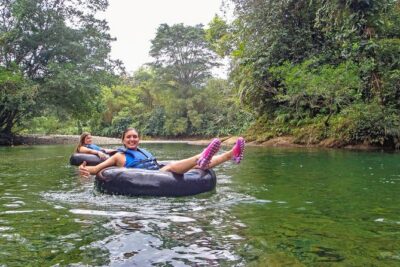
San Cipriano Rainforest – River, Waterfalls and Adventure Day
Read our review →
Browse the lists this tour appears in