
Reviewed · MONSERRATE & LA CANDELARIA TOURS
Candelaria Unveiled: Cool-tural Heritage Walking Tour
Bogotá’s story unfolds street by street on this 150-minute walk through La Candelaria, where cobbled lanes, old churches, political buildings, markets, and museums sit close together. I like the route because it links famous sights with smaller places such as Callejón del Embudo and Casa de La Pola, so you get more than a quick photo stop.
I especially like the low price of $16 and the practical city advice built into the tour. Guides Jorge and Sharik have received especially warm praise for clear explanations, friendly service, and answering questions. The main drawback is that one booking resulted in a no-show, so confirm your meeting details before setting out.
Key points to know before booking
- A compact introduction to La Candelaria: Cover major squares, churches, cultural buildings, and museums in two and a half hours.
- A route with strong historical range: Move from the founding of Bogotá at Chorro de Quevedo to the independence story of Policarpa Salavarrieta and the modern cultural quarter.
- Useful local advice included: Ask your guide for suggestions on restaurants, clubs, and things to do after the walk.
- Guides who make the difference: Jorge and Sharik are named in the strongest feedback, with praise for their explanations and friendly style.
- Museum access is part of the plan: The route finishes at the Botero Museum, and entry to some museums and churches is included.
- Good value with flexible booking: The tour costs $16 per person, allows cancellation up to 24 hours ahead, and offers reserve-now, pay-later booking.
Why this La Candelaria walk works well
La Candelaria is the part of Bogotá where the city’s colonial past, political life, religious traditions, street art, and museum culture come together within a fairly small area. A first visit can feel like a pile of disconnected sights. This tour gives you a thread to follow.
You begin with Policarpa Salavarrieta, one of Colombia’s best-known independence figures, then move through markets and historic lanes toward the city’s central squares. By the time you reach Bolívar Square and the Botero Museum, you have seen how Bogotá developed from a Spanish colonial settlement into Colombia’s political and cultural center.
I like this structure because it is not just a parade of buildings. The guide can explain why a narrow cobbled street matters, why a former presidential residence is worth noticing, and how museums fit into the city’s present-day identity. You also get a chance to ask questions instead of receiving a fixed lecture.
The pace should suit you if you want an introduction rather than an exhaustive study of every church and museum. Two and a half hours is long enough to build your bearings, but short enough to leave room for lunch, a museum visit, or another Bogotá activity afterward.
More Walking Tours in Bogotá
- Bogotá: Guided La Candelaria Walking Tour
★ 4.8 · 1,229 reviews - Zipaquirá Salt Cathedral Private Tour + Walking Tour
★ 5.0 · 66 reviews - Bogota Walking Tour Teusaquillo, a different part of the city
★ 5.0 · 41 reviews
Starting with Policarpa Salavarrieta
The meeting point is in front of the Monumento a Policarpa Salavarrieta. This is a useful starting place because Policarpa, often called La Pola, gives the walk an immediate connection to Colombia’s struggle for independence.
The route also includes Casa de La Pola, identified as her former residence. That stop adds a personal scale to the political story. Instead of hearing only about generals, presidents, and battles, you connect national change with the life of a woman remembered for her role in the liberation campaign.
Arrive with the meeting point clearly in mind. The provided information does not give a hotel pickup service, so you should plan to reach the monument independently. Since the tour has had one reported no-show, I would also check the booking confirmation and make sure you have the correct start time and contact information before leaving your accommodation.
La Concordia Market and the everyday side of Bogotá
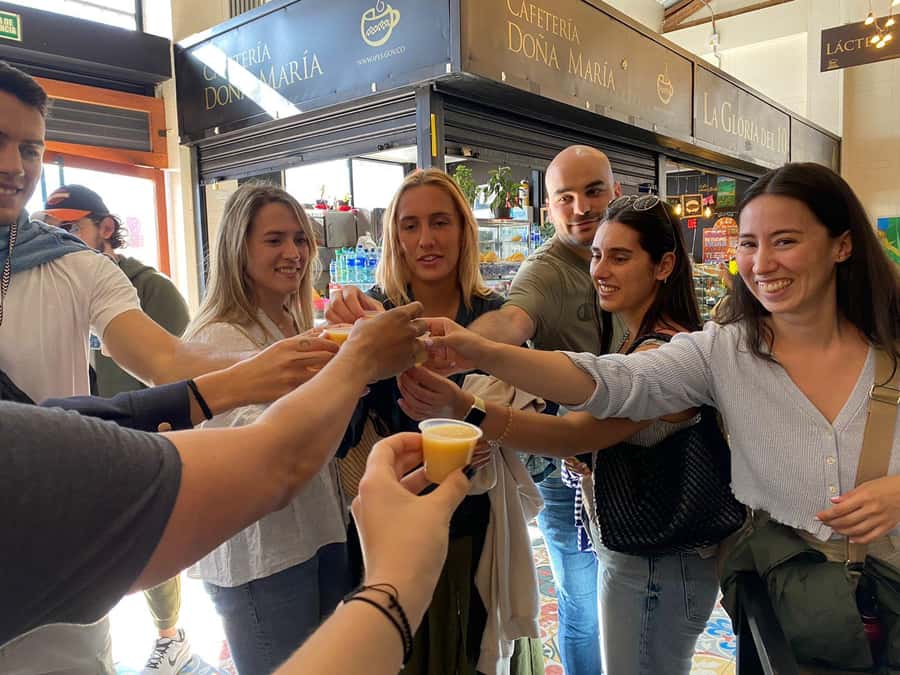
From the monument, the route heads to La Concordia Market, a place where art, local trade, food traditions, and craft work meet. The market adds welcome texture to a walk otherwise filled with grand civic buildings and historic landmarks.
You can expect a guided look at the market rather than a meal-focused food tour. The available details point to a farmers market and craft shops, giving you a chance to see how La Candelaria functions as a living neighborhood, not just an open-air museum.
This is also a good place to ask for restaurant recommendations. The tour promises advice on where to eat, go out, and find activities in Bogotá. Specific recommendations can be more useful when they come from a guide who is responding to your interests, so tell the guide whether you want Colombian food, a casual meal, nightlife, or something cultural.
The market may be less appealing if you prefer a tour made up only of famous monuments. For me, that local stop is part of the value. It gives the historic district some daily life and keeps the walk from feeling like a checklist.
Callejón del Embudo and Chorro de Quevedo
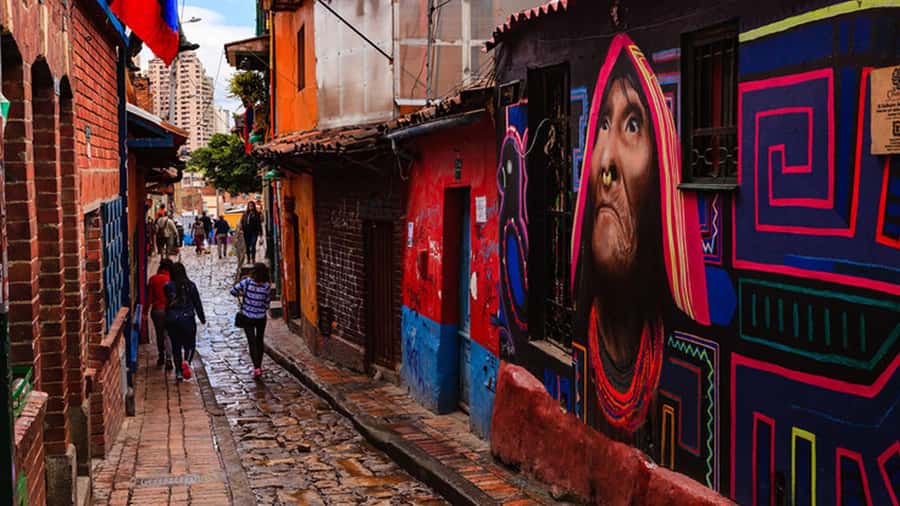
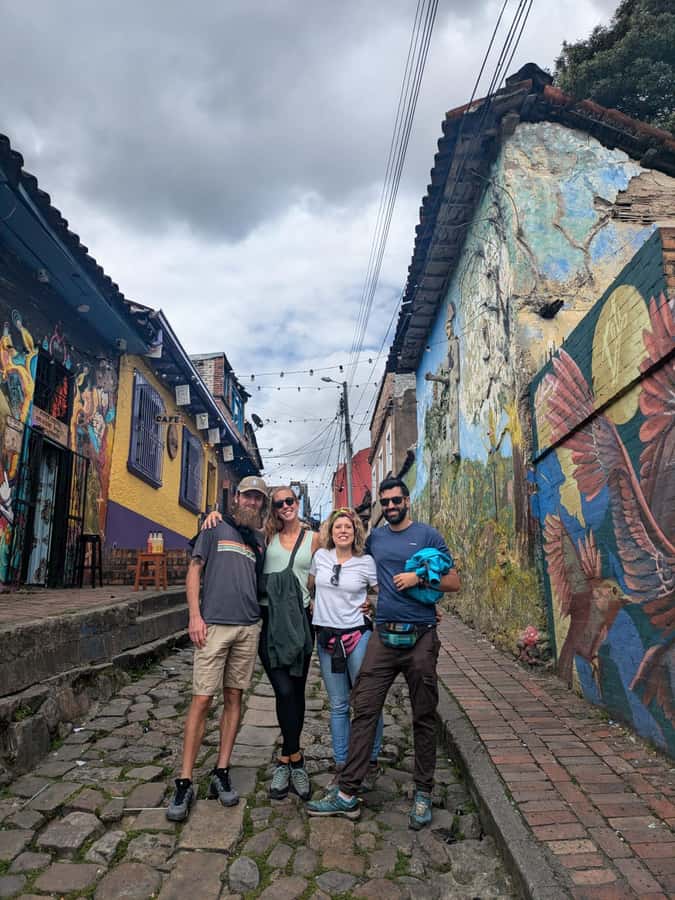
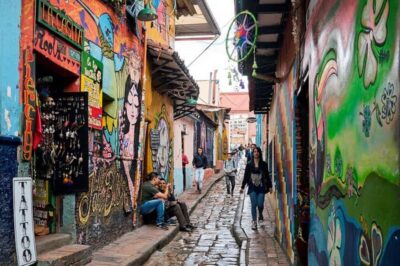
The narrow Callejón del Embudo is one of the route’s most distinctive details. Its name refers to the funnel shape of the cobbled street, which once marked the edge of the ancient Quebrada de San Bruno.
This is the kind of stop that benefits from a guide. On your own, you might simply see an attractive old lane. With context, the shape and location become clues to the older geography of the neighborhood. The street helps you picture how water and natural features once influenced the early settlement.
Next comes Chorro de Quevedo Plaza, traditionally associated with the founding of Bogotá in 1538 by Spanish conquistador Gonzalo Jiménez de Quesada. The square is one of the essential stops in La Candelaria, and it gives the tour a clear historical anchor.
The guide’s job here is especially important. Founding stories can be simple if reduced to a date and a name. The better approach is to connect the site with the city you are walking through now, while also keeping in mind that colonial history includes conquest and conflict. The supplied feedback gives Jorge particular credit for explaining Bogotá’s history and choosing a good route, which is exactly what this part of the walk requires.
More Monserrate and La Candelaria walks in Bogotá
- Bogotá: Private City Tour, Monserrate, Emerald and Botero
★ 4.9 · 798 reviews - Bogotá City Tour with Monserrate, Gold and Botero Museums
★ 4.9 · 584 reviews - Bogotá: La Candelaria Graffiti & Urban Art Guided Tour
★ 4.7 · 250 reviews - Bogota: Monserrate Entry Ticket
★ 4.4 · 233 reviews
Teatro Colón and the cultural corridor
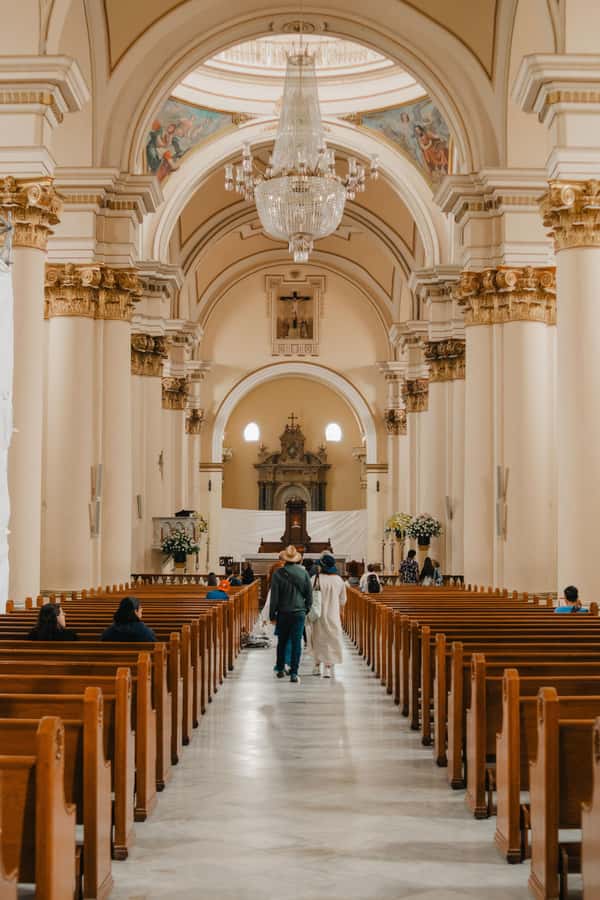
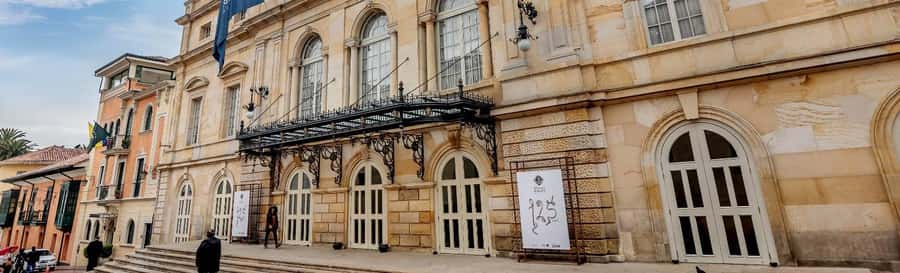
The itinerary includes a guided stop at Teatro Colón, one of Bogotá’s major cultural landmarks. The theater adds an artistic note to a route that has already covered markets, colonial streets, independence history, and city origins.
Because the tour lasts only 150 minutes, you should not expect a long theater program or a full performance experience. Think of this as an exterior and cultural-context stop, with the guide explaining why the building matters within Bogotá’s arts scene.
The route then continues toward the Gabriel García Márquez Cultural Center. The center places literature and public culture alongside the city’s political and religious monuments. This is one of the tour’s stronger transitions: you move from colonial architecture to the institutions that shape Bogotá’s modern cultural life.
You might find the cultural center more rewarding if you already know something about Colombian literature, but the stop still works for first-time visitors. It gives the walk a broader frame and prevents La Candelaria from being presented as only an old quarter.
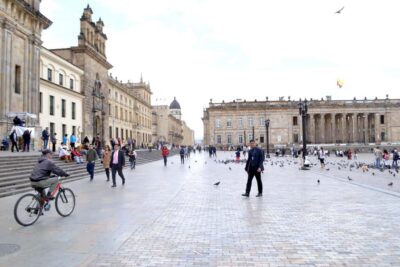
Bolívar Square, where the city gets political
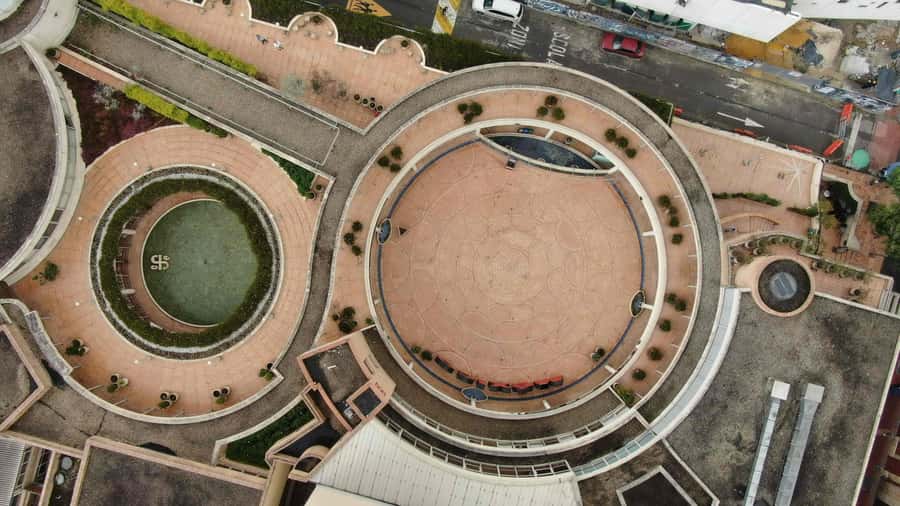
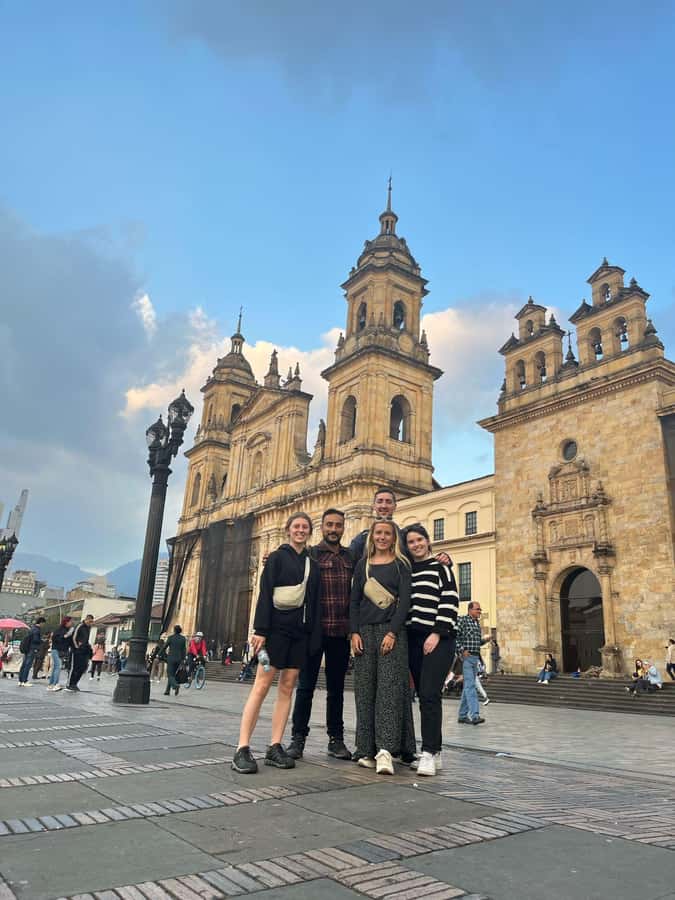
Bolívar Square is the central civic space of Bogotá and one of the tour’s most important stops. It is surrounded by major buildings, including the Palace of Justice and the National Capitol.
This is where the route shifts from neighborhood history to national public life. The square helps you understand why Bogotá is Colombia’s political center, and the surrounding buildings give the guide plenty to discuss about government, law, and the country’s changing institutions.
I appreciate having this stop before the museum finish. You first see the official face of the capital, then move toward art and cultural interpretation. The contrast makes both parts more meaningful.
Do not expect a quiet, intimate plaza. A central civic square can feel busy and open, and the experience depends partly on the day and time of your visit. The benefit is its scale and importance. It is the place where the different threads of the walking tour come together.
Churches, palaces, and the older city
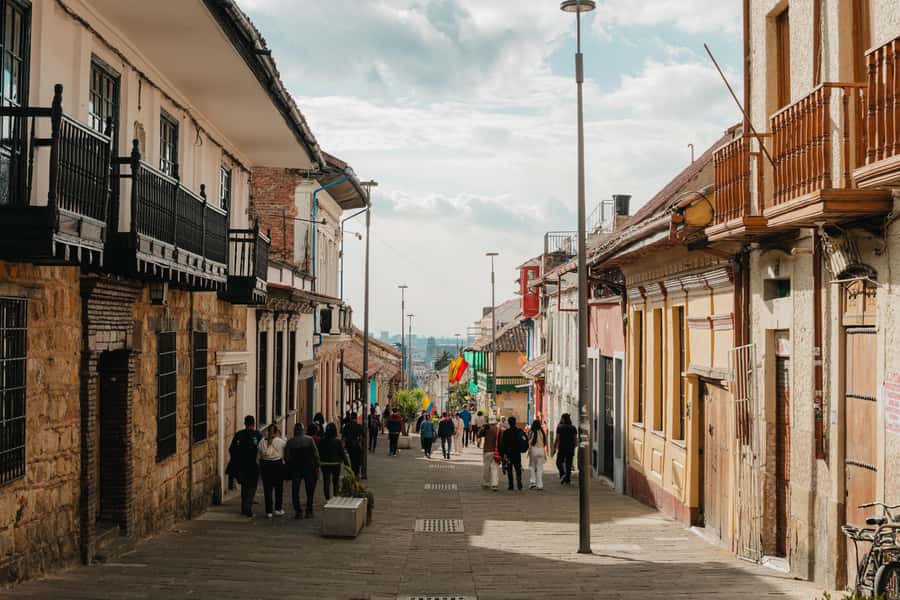
The broader route includes Palacio San Carlos and Iglesia San Ignacio, even though the timed itinerary highlights the main stops rather than listing every site as a separate visit. Palacio San Carlos served as the former official residence of the President of Colombia, giving you another look at the city’s political past.
Iglesia San Ignacio brings the religious side of colonial Bogotá into view. Built in the 17th century, it shows how strongly Catholic institutions shaped the city’s early architecture and public life.
Entry to some museums and churches is included, but the information does not specify exactly which sites require admission or how long you will spend inside each one. I would treat these stops as guided introductions rather than assume you will receive a full interior tour at every location.
That distinction matters if you are choosing between this experience and a specialist church or architecture tour. This walk gives you range. It is designed to connect several themes in one outing, not to examine one building in architectural detail.
Manzana Cultural and the Botero Museum finish
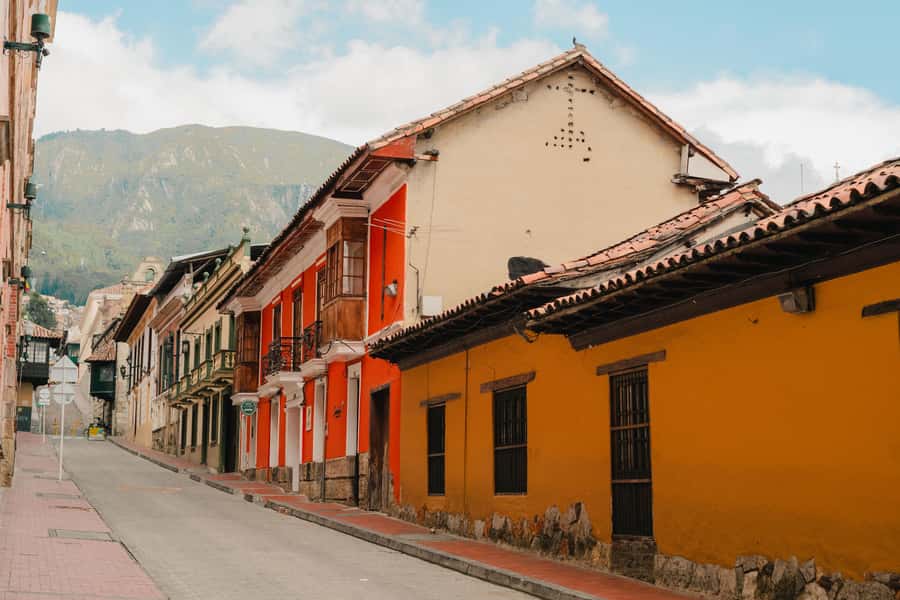
The tour finishes at the Botero Museum, within the Manzana Cultural. This cultural quarter houses three important museums, including the Botero Museum, so the final section gives you a chance to connect the city’s historic center with its major art institutions.
The Botero Museum is a particularly sensible endpoint. It gives you a clear place to continue exploring after the guide says goodbye, and museum entry is part of the experience according to the supplied details. The itinerary describes the museum as a visit, but it does not promise a specific amount of free time inside, so ask your guide how the stop will work on your date.
Ending here is also practical. You can continue with the museum, return to another part of the city, or use the guide’s recommendations for food and evening plans. Ask for suggestions before the tour ends, while the guide knows what kind of day you want.
What the guides add
A walking tour in La Candelaria rises or falls on its guide. The strongest feedback singles out Jorge and Sharik for clear explanations, friendly service, and an ability to handle questions.
One visitor described having a small group of only two people with Sharik, which allowed plenty of questions and a more personal pace. You should not assume every departure will be that small, but the comment points to an important strength: the experience can work well for curious people who want conversation rather than a speech.
Jorge receives praise for knowing the city, explaining its history, and creating a good route through the neighborhood. Ximena’s feedback also describes his style as informative and dynamic. That combination matters here because the route includes many subjects, from colonial architecture to modern culture.
The tour is offered in English and Spanish. If you want detailed explanations, choose the language in which you can ask follow-up questions most easily. A guide who can respond clearly is more valuable than a route that simply visits more buildings.
Is $16 good value?
At $16 per person, this is a strong-value introduction to central Bogotá. You receive a live guide, a structured route through La Candelaria, access to some museums and churches, and local suggestions for restaurants, clubs, and activities.
The value is greatest if this is your first time in Bogotá or your first morning in La Candelaria. You get orientation, history, and a list of ideas for the rest of your stay without committing to a full-day excursion.
It is less useful if you have already spent several days studying the neighborhood independently or if you want a specialist tour focused only on art, food, architecture, or political history. This experience deliberately covers a lot of ground.
The reserve-now, pay-later option also helps if your schedule is still changing. You can cancel for a full refund up to 24 hours in advance. Keep an eye on the meeting details, since the single reported missed departure is the main warning sign in an otherwise strongly positive set of comments.
Who should book this walking tour?
I would recommend it to first-time visitors who want to understand Bogotá before choosing their next museums, restaurants, or evening plans. It also suits you if you enjoy history but want it explained through streets and buildings instead of a classroom-style lecture.
The route works for couples, solo visitors, and small groups. The ability to ask questions is especially useful if you want advice tailored to your stay. It is also wheelchair accessible, though the route includes cobblestone streets, so you may want to confirm the practical details with the provider before booking.
The tour is not suitable for people over 95, according to the activity information. No public transport is included, and no hotel pickup is specified, so you should arrange your own way to the Policarpa Salavarrieta monument.
Should you book it?
Book this tour if you want a well-priced introduction to La Candelaria with history, art, architecture, and practical city advice in one compact outing. The route includes Bogotá’s founding site, an independence heroine’s home, a market, a theater, a major civic square, cultural centers, churches, and the Botero Museum.
I would be more cautious if your main goal is a long museum visit or a specialist architectural study. You will get a broad and useful overview, not an all-day examination of every landmark.
For most first visits, the balance is right. Confirm the start details, arrive at the monument with time to spare, and use the final minutes to ask Jorge, Sharik, or your assigned guide where to eat and what to see next.
FAQ
How long does the Candelaria Unveiled tour last?
The walking tour lasts 150 minutes, or two and a half hours.
How much does the tour cost?
The price is $16 per person.
Where does the tour meet?
The meeting point is in front of the Monumento a Policarpa Salavarrieta.
Which languages are available?
The tour is offered in English and Spanish, with a live guide.
What places does the tour visit?
The route includes La Concordia Market, Chorro de Quevedo Plaza, Teatro Colón, Bolívar Square, the Gabriel García Márquez Cultural Center, and the Botero Museum. It also covers sites such as Callejón del Embudo, Casa de La Pola, Palacio San Carlos, Iglesia San Ignacio, and Manzana Cultural.
Is cancellation available, and can I pay later?
You can cancel up to 24 hours before the tour for a full refund. Reserve-now, pay-later booking is also available.
Walking Bogotá
- Bogota Walking Tour Teusaquillo a different part of the city
★ 4.2 · 26 reviews - Bogotá: Private Candelaria Walking Tour and Gold Museum
★ 5.0 · 17 reviews - Bogotá: Private Candelaria Walking Tour with Gold Museum
★ 5.0 · 11 reviews - Bogota: La Candelaria Highlights Walking Tour
★ 5.0 · 7 reviews
Just added in Bogotá
- Bogota: Zipaquira, Salt Cathedral & Lake Guatavitá Tour★ 4.9 · 32 reviews
- BOGOTA: Tour of Jaime Duque Park, Zoo, and Aerospace Museum★ 4.6 · 15 reviews
- BOGOTA: Visit to the Botanical Garden and Ugly Betty’s House★ 4.9 · 15 reviews
- Bogotá: Villa de Leyva Full-Day Tour with Meals★ 4.2 · 10 reviews
- BOGOTA: Tour of Villa de Leyva, Ráquira, Pozos Azules, and Puente de Boyacá★ 5.0 · 8 reviews
- Bogotá: Private Candelaria Walking Tour and Gold Museum★ 5.0 · 17 reviews
- Bogota: Tour to Salitre Mágico, An Extreme Fun Trip★ 4.3 · 7 reviews
- Bogotá: Private Candelaria Walking Tour with Gold Museum★ 5.0 · 11 reviews
Monserrate & La Candelaria Tours, compared.
Private City Tour, Monserrate, Emerald and Botero
Read our review →
Bogotá City Tour with Monserrate, Gold and Botero Museums
Read our review →
City Tour, Monserrate, Gold Museum, Plaza de Bolivar
Read our review →
City Tour, Monserrate, Gold Museum, Botero Museum, Plaza Bolívar
Read our review →
Shared Tour of Bogota’s Historic Downtown (La Candelaria)
Read our review →Browse the lists this tour appears in