
Reviewed · COFFEE FARM TOURS
Cartagena: Colombian Specialty Coffee Tasting
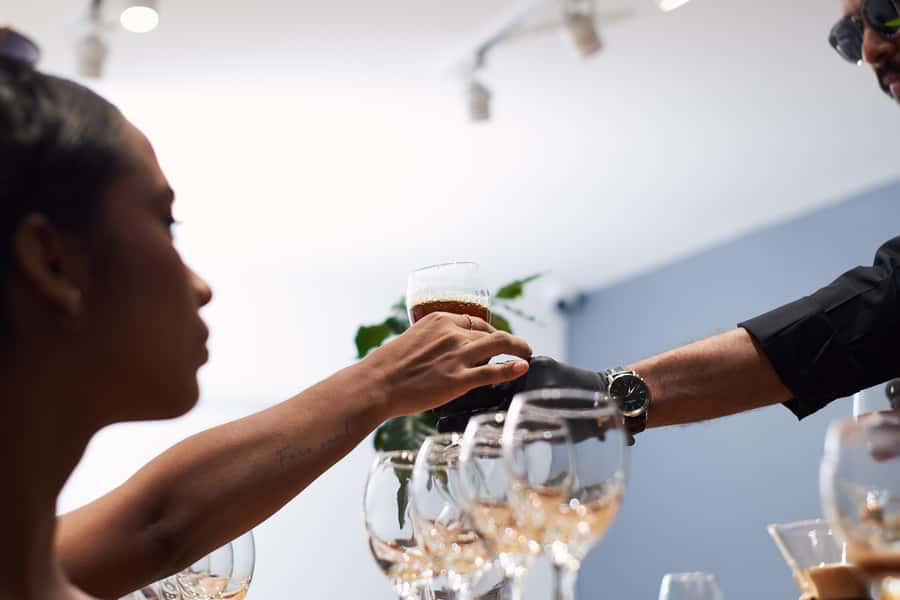
The most interesting part of this Cartagena experience is that it treats coffee as more than a quick caffeine stop. You follow the bean from plantation and processing to the final brew, then taste three Colombian coffees prepared in different ways. Chemex, V60, and siphon each bring out a different side of the same drink.
I like the hands-on sensory work, especially the coffee aromas, fresh and dried fruit, and chocolate used to build your tasting vocabulary. I also like the instructors, including Tomas, Santiago, Pedro, and Arturo, who explain serious coffee ideas in clear English or Spanish. The main consideration is that this feels more like a polished class than a casual café visit, and some sessions may run closer to three hours than the advertised two.
Key points to know
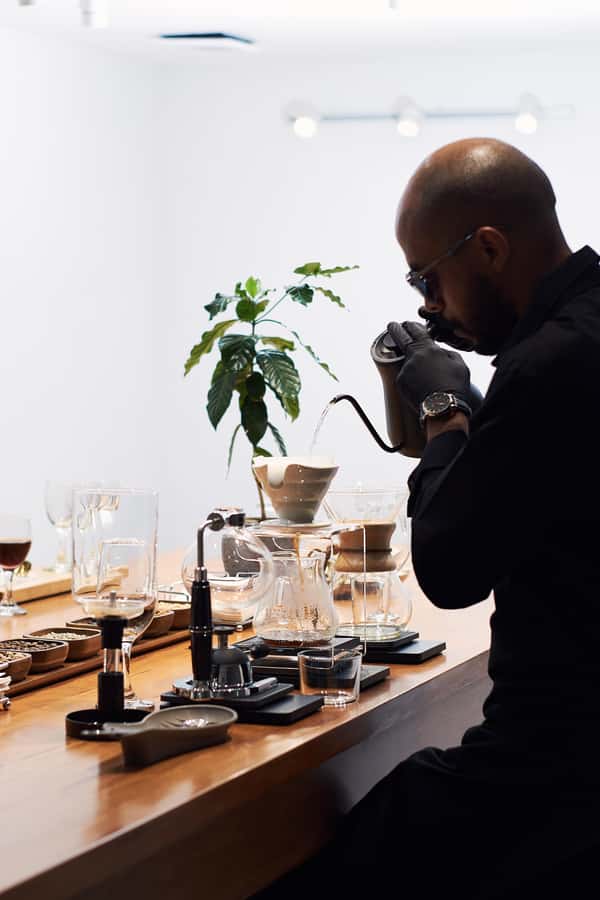
- Three brewing methods: Compare coffees prepared with Chemex, V60, and Hario TCA-5 siphon.
- From seed to cup: Learn about Colombian growing, harvesting, processing, roasting, and preparation.
- Aroma and flavor training: Use coffee, fruit, and chocolate to identify smells, body, sweetness, and other notes.
- Strong instructors: Tomas, Santiago, Pedro, Arturo, and other baristas have been praised for clear explanations and genuine enthusiasm.
- Cool, polished setting: The activity takes place at a dedicated coffee experience center, with air conditioning.
- Good value at $15: The price includes the class, three tastings, sensory activities, and a participation diploma.
Why this coffee class is worth your time in Cartagena
Cartagena is best known for its old walls, colonial streets, Caribbean heat, and late-night energy. This coffee class gives you a quieter two-hour change of pace while still connecting you with one of Colombia’s most important products.
You do not simply receive a cup and a short explanation. The session lays out the full chain: coffee growing, harvesting, processing, roasting, brewing, and tasting. That matters because specialty coffee is shaped by every step. A bean can taste different because of where it grew, how it was processed, how it was roasted, and how water moves through it.
I like this approach for visitors who want context instead of a standard café stop. You leave with a better idea of why one coffee may taste fruity and bright while another feels smooth, round, or chocolatey. You also learn how to talk about what you taste without needing to become a coffee expert.
The experience has earned a 4.4 rating from 130 reviews, with especially strong praise for the hosts and the quality of the coffee. Tomas receives repeated attention for his command of the subject and friendly manner. Santiago is often described as lively and easy to follow, while Pedro and Arturo are also praised for making the class clear and enjoyable.
More Coffee Tours in Cartagena
- Cartagena Coffee Masters
★ 4.5 · 40 reviews - Cartagena Highlights: San Felipe, Popa & Coffee Experience
★ 4.5 · 39 reviews - Specialty Coffee Workshops in Cartagena
★ 5.0 · 34 reviews
Entering Cafe-472, the dedicated tasting space
The meeting point is a coffee experience center identified in the feedback as Cafe-472. It is not presented as a plantation visit. Instead, it is a classroom and laboratory-style setting in Cartagena where the growing and brewing process is explained indoors.
That distinction is important. If you want to walk among coffee plants or see beans being harvested in the mountains, this is not that kind of excursion. The value here is the controlled tasting environment, where the barista can compare methods and profiles without the noise or travel time of a countryside trip.
The setting has been described as clean, attractive, and well air-conditioned. In Cartagena’s humidity, that practical detail counts. You can focus on aroma and flavor instead of wiping sweat from your forehead.
One logistical warning deserves attention. The supplied address has reportedly led at least one person to the wrong place. Search for Consultorio Dra. Bleidys Mendoza Sotomonte if your directions seem unclear, or enter Cafe-472 directly in Uber. The café is described as being across from the dentist’s office, and a photo of the café can help if you need to ask for directions locally.
Tell the staff that you are there for the coffee activity when you arrive. You may also find a separate entrance for the experience, which helps keep the arrival simple.
Starting with Colombian coffee from plantation to parchment
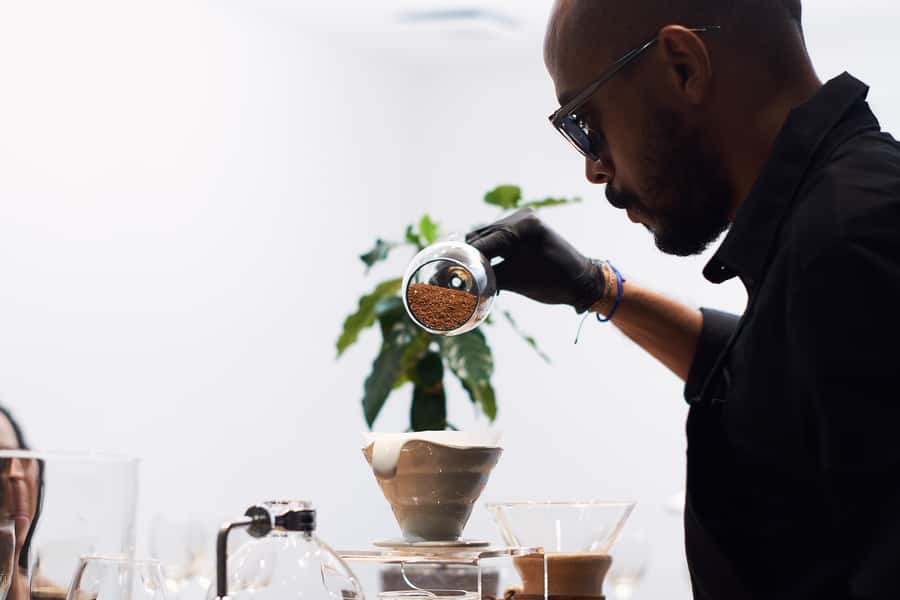
The opening section introduces Colombian coffee growing in a classroom setting. You learn about the plantation, the bean, harvesting, and the early stages of processing before the coffee becomes something you can brew.
This is where the class earns its price. Many coffee tastings jump straight to the cup. Here, you get a basic explanation of what happens before brewing, including the transformation from parchment coffee to a finished product.
The lesson does not require prior knowledge. Santiago has been praised for making the material accessible to people who have never tasted coffee this way, while other hosts are described as able to answer detailed questions from serious coffee fans. That makes the class suitable for mixed groups, including a pair where one person drinks coffee regularly and the other does not.
You will hear about the qualities that separate specialty coffee from lower-quality coffee. The goal is not to memorize technical terms. It is to notice what is in the cup and understand why it tastes that way.
Training your nose before tasting

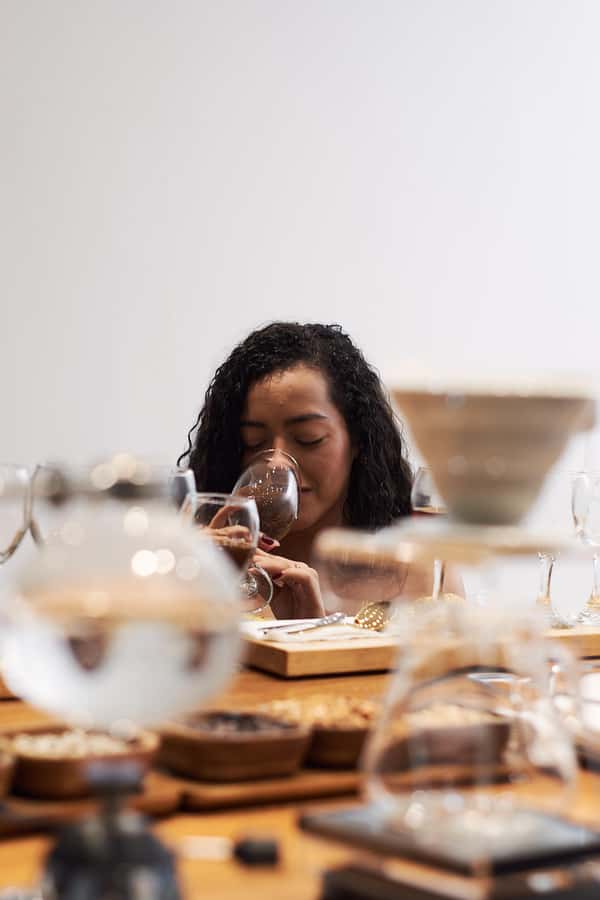
Before the coffee tasting reaches its most detailed stage, the experience activates your sense of smell with a coffee nose. You also work with fresh fruit, dehydrated fruit, and chocolate.
This may sound simple, but it is one of the more useful parts of the session. Smell shapes much of what you call flavor. Comparing familiar items gives you reference points for aromas that can otherwise seem vague.
You may notice floral, sweet, fruity, honey, or chocolate notes in the coffees. The point is not to prove that one exact fruit is hiding in the cup. It is to give you a language for comparing coffees and recognizing which profiles you prefer.
I especially like this part for beginners. A coffee class can become intimidating when instructors use specialist vocabulary without explaining it. Here, the sensory items give you something concrete to smell and taste before you apply those ideas to the coffee.
The experience also introduces the idea of body. That means the weight and feel of the coffee in your mouth, not simply its strength. One brew may feel light and bright, while another seems fuller, smoother, or rounder.
More coffee farm days from Cartagena
- Walking Tour of Cartagena Including a Colombian Cup of Coffee
★ 5.0 · 30 reviews - Cartagena: History, Culture & Coffee Experience
★ 5.0 · 5 reviews - Cartagena: Coffee Tasting
★ 4.5 · 5 reviews - Cartagena Coffee Masterclass: Artisanal Roasting and Brewing
★ 5.0 · 3 reviews
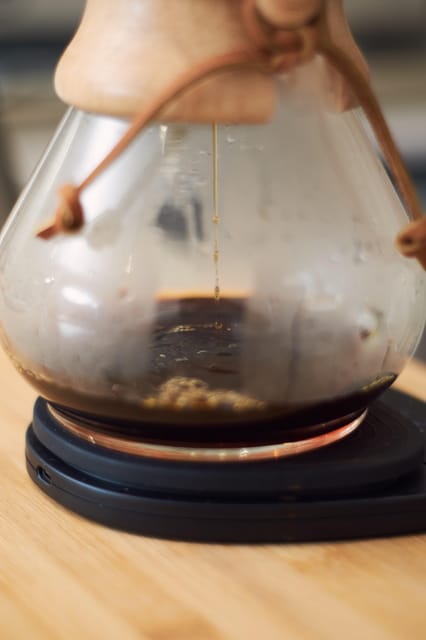
Comparing Chemex, V60, and siphon coffee
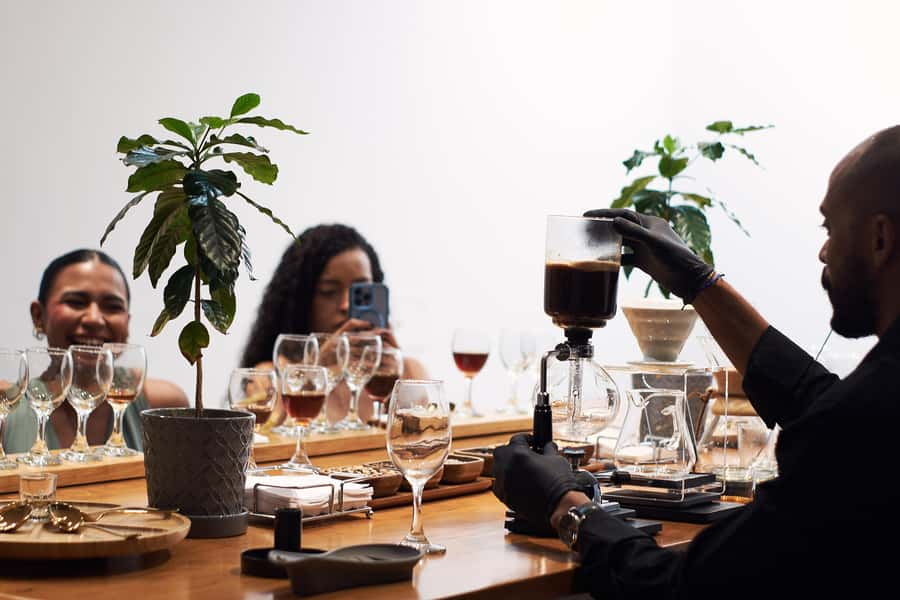
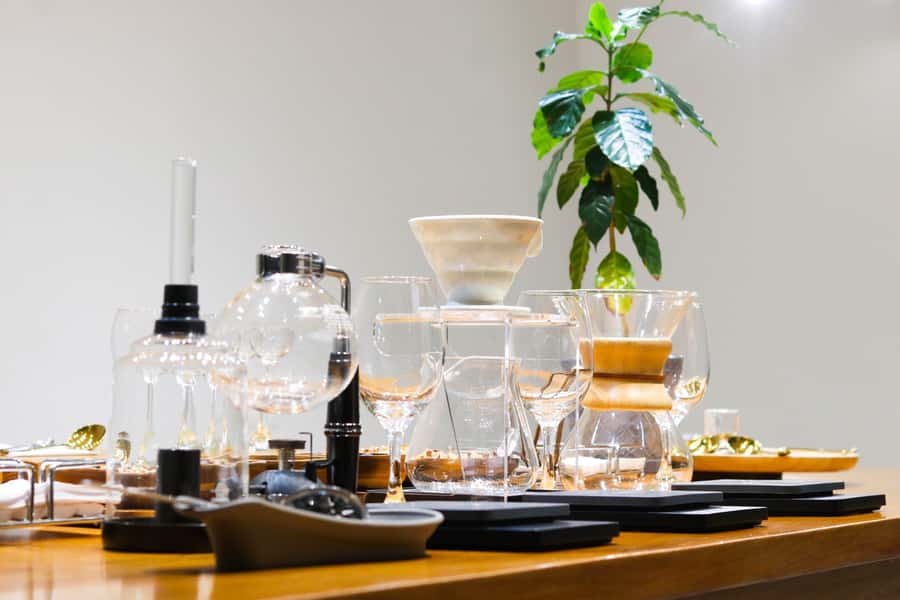
The central tasting includes three Colombian specialty coffees prepared with different extraction methods. The specific beans and order can vary, but the methods described are Chemex, V60, and Hario TCA-5 siphon.
The Chemex is used to bring out fruity and complex notes. It is a good example of how a clean filter can make delicate flavors easier to notice. If you usually drink dark, heavy coffee, this may be the cup that changes your expectations.
The V60 highlights brightness and body. It shows how a cone-shaped pour-over method can produce a cup with a clear flavor line and noticeable liveliness. The guide explains not only what you are tasting, but why the method affects the result.
The Hario TCA-5 siphon offers more roundness and smoothness, with honey aromas described in the tasting. The siphon also adds a visual element to the class. You see a less familiar brewing technique rather than simply receiving three finished cups.
The value of tasting these side by side is comparison. A single excellent cup can be pleasant, but three methods give you a reference. You can decide if you prefer fruit and brightness, a rounder texture, or a smoother, sweeter profile.
Some sessions also allow you to try a brewing technique yourself. That detail is not guaranteed for every group, but it has been part of the experience for some participants, including a chance to work with the Japanese Hario siphon.
Learning to describe what you actually taste
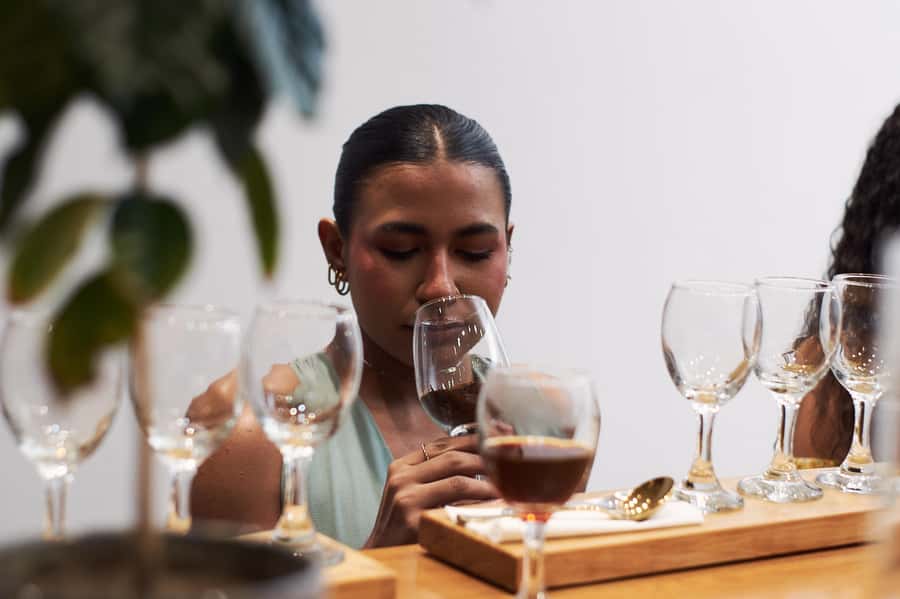
A useful coffee class should change the way you drink coffee at home. This one aims to give you basic sensory skills rather than a list of impressive facts.
You practice noticing aroma, sweetness, body, texture, and flavor. The fruit, chocolate, and coffee aroma materials help you connect those impressions to familiar references. You may not leave with a professional taster’s vocabulary, but you should have a better way to describe what you like.
The coffee profiles are presented as different rather than simply good or bad. That is a sensible approach. Specialty coffee is not one single flavor, and a bright fruity cup may appeal to one person while another prefers something smooth and honeyed.
I would pay attention to the brewing explanations if you want to improve your coffee at home. You learn why preparation changes the result and how extraction methods can emphasize different parts of the bean. One benefit is that you can take those ideas back to your own equipment, even if you do not own a Chemex or siphon.
The class is also useful if you are unsure what to order in a specialty café. Instead of choosing based only on roast or strength, you begin to recognize terms connected with body, acidity, sweetness, and aroma.
A polished class, not a casual social coffee stop
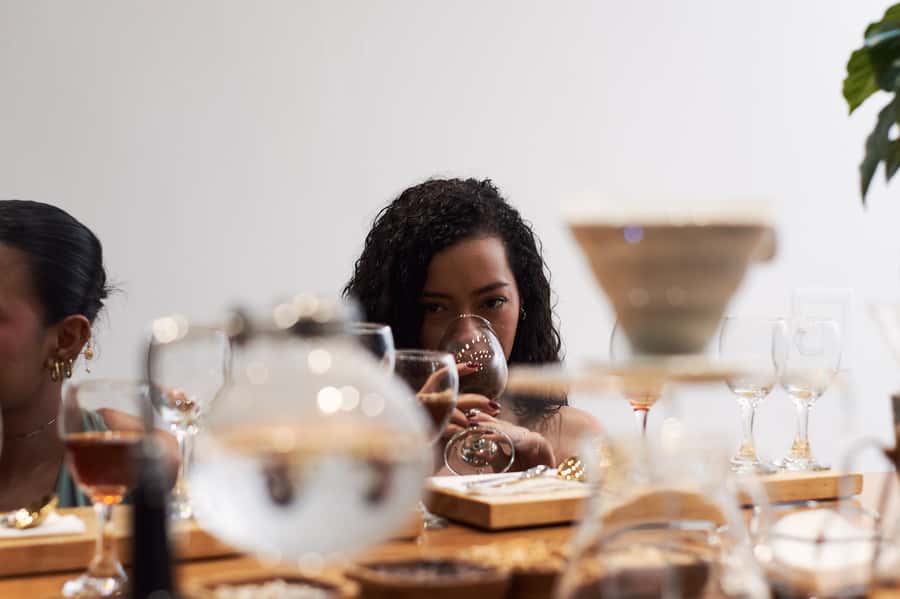
The tone depends on the instructor and group size. Some sessions have been lively and interactive, with hosts answering questions and encouraging people to try the equipment. Others may feel more like a lecture with a tasting.
That is not necessarily a flaw. The instructors are there to explain a specialized subject, and the amount of information is part of the appeal. Still, you should book this for learning and tasting, not for a loose social gathering.
Small groups can make the session feel personal. On several occasions, a single person or a very small number of people received the full activity rather than a shortened version. A private-feeling class is a pleasant possibility, but group size can vary.
The hosts are the strongest part of the experience. Tomas is repeatedly praised for his passion and depth of knowledge. Santiago is described as personable, funny, and good at keeping the subject accessible. Pedro and Arturo also receive high marks for clear, thoughtful instruction.
The bilingual format is useful for mixed-language groups. English and Spanish are available, and one session worked well for a family group with different language needs.
How much value you get for $15
At $15 per person, this is a strong value if you enjoy coffee or want an indoor cultural activity in Cartagena. The fee includes a classroom introduction, coffee processing information, aroma work, fruit and chocolate tasting, three coffee preparations, and a participation diploma titled Awakening of the Coffee Senses: From the Seed to the Cup.
You are paying for both the drinks and the instruction. Three specialty coffees at a good café could already take up much of the price, but the class adds the explanation and comparison that make the tasting useful.
The main value is educational. If you only want a cold brew or a sweet café drink, you can spend less at a regular coffee shop. If you want to understand Colombian coffee and learn how to recognize different styles, the fee is modest.
The activity does not appear to include a bag of signature beans. One person specifically wished for coffee beans at the end, so do not assume that a retail bag is part of the package. You can ask about beans or other café products while you are there.
The café may also sell additional drinks and food. A cold brew has been singled out as worth trying, and the croissants come from a local baker. These extras are separate from the tasting and should be treated as optional.
Who should book this experience
I would choose this class if you fit one or more of these descriptions:
- You already enjoy specialty coffee and want to understand brewing methods.
- You are curious about Colombian coffee but do not know the difference between a V60 and a siphon.
- You want a calm, air-conditioned activity during a hot Cartagena day.
- You are traveling with someone who drinks coffee and someone who does not.
- You prefer a focused class to a large sightseeing tour.
- You want an activity that connects a familiar drink with Colombian agriculture and production.
It is less suitable if you dislike coffee, strong aromas, or classroom-style instruction. Strong fragrances are not allowed, which protects the tasting experience and helps everyone smell the coffees clearly.
The caffeine is also worth considering. You taste three coffees in one session, so anyone sensitive to caffeine should keep that in mind. The supplied information does not state that decaf alternatives are available.
Timing, cancellation, and planning advice
The listed duration is two hours, but some sessions have taken closer to three hours. I would avoid scheduling this immediately before a fixed dinner reservation, airport transfer, or ticketed attraction.
Starting times vary, so check availability when booking. You can cancel up to 24 hours in advance for a full refund, and a reserve-now, pay-later option is available. Those policies make it easier to place the activity into a changing Cartagena schedule.
Wear no strong perfume or cologne. Aroma is central to the class, and heavy fragrance can interfere with your own tasting as well as everyone else’s.
If you are coming from another part of the city, allow time to find the café. The address issue has caused confusion, so use the café name or the nearby dentist’s office as a reference rather than relying blindly on the original directions.
Should you book the Colombian coffee tasting?
Book it if you want more than a good cup and you enjoy learning by comparing. The combination of three brewing methods, sensory training, Colombian coffee production, and enthusiastic bilingual guides makes this one of Cartagena’s more focused food experiences.
I would be especially happy to recommend it to coffee drinkers who want to improve their palate without committing to a long plantation tour. The strongest reasons to go are the hosts, the quality of the coffee, and the chance to taste methods side by side.
Skip it if you want a quick café visit, dislike lecture-style activities, or do not drink coffee. For everyone else, $15 buys a useful lesson, several carefully prepared cups, and a better understanding of what Colombian coffee can taste like.
FAQ
Where does the Colombian coffee tasting take place?
The activity takes place at a coffee experience center in Cartagena, identified in the supplied information as Cafe-472.
How long does the activity last?
The stated duration is two hours. Some sessions have been described as lasting closer to three hours, so allow extra time if your schedule is tight.
How much does the experience cost?
The listed price is $15 per person.
Which languages are available?
The activity is offered in English and Spanish.
Which coffee brewing methods are included?
The tasting can include Chemex, V60, and Hario TCA-5 siphon preparations.
How many coffees will I taste?
The experience includes three different Colombian specialty coffees with different methods and profiles.
What else is included besides coffee?
You learn about Colombian coffee growing and processing, use a coffee aroma kit, taste fresh and dehydrated fruits and chocolate, and receive a participation diploma.
Are strong fragrances allowed?
No. Strong fragrances are not allowed because they can interfere with the aroma-based tasting.
Can I cancel and receive a refund?
Yes. You can cancel up to 24 hours in advance for a full refund. A reserve-now, pay-later option is also available.
More Food & Drink in Cartagena
- Cartagena: Guided Street Food Tour with Tastings
★ 4.9 · 833 reviews - Cartagena: Boutique Rum and Chocolate Tasting at Lunático
★ 4.9 · 121 reviews - Cartagena Bazurto Market: Authentic Food & Culture Tour
★ 4.5 · 13 reviews - Cartagena: Express Rum and Chocolate Tasting Experience
★ 5.0 · 10 reviews
More Coffee Experiences in Cartagena
- Medellin: Coffee Tour with Transport, Snacks and Tastings
★ 4.7 · 1,357 reviews - Medellín Coffee Farm Tour with Trolley and Cable Car Ride
★ 4.9 · 277 reviews - Coffee Tour at the Finca del Café
★ 5.0 · 213 reviews - Medellin: Coffee Tour and Wellness Spa
★ 4.8 · 209 reviews
Just added in Cartagena
- Cartagena: CITY TOUR IN ENGLISH, Old city, Monuments, Castle★ 4.4 · 5 reviews
- Cartagena: White Night Boat Tour with Dinner and Open Bar★ 4.6 · 12 reviews
- Cartagena: Speed Boat Party on the Bay with open bar★ 4.3 · 12 reviews
- Cartagena: Sunset in boat in the bay with music and liquor★ 4.5 · 46 reviews
- Cartagena: Walled City Walking Tour★ 4.4 · 26 reviews
- Cartagena: Tour the emblematic Cerro de la Popa★ 4.5 · 6 reviews
- Cartagena Travel Memories: A cover magazine Photo Shoot★ 5.0 · 8 reviews
- Cartagena: Islabela Islands Boat Trip with Lunch & Cocktail★ 4.1 · 41 reviews
Coffee Farm Tours, compared.
Coffee Tour with Transport, Snacks and Tastings
Read our review →
Medellín Coffee Farm Tour with Trolley and Cable Car Ride
Read our review →
Private Cocora Valley, Salento & Coffee Farm Tour
Read our review →
Horseback Riding Coffee Farm Tour with Coffee Spa
Read our review →
Browse the lists this tour appears in