
Reviewed · COCORA VALLEY & SALENTO TOURS
Salento: Coffee Farm Tour with Tasting
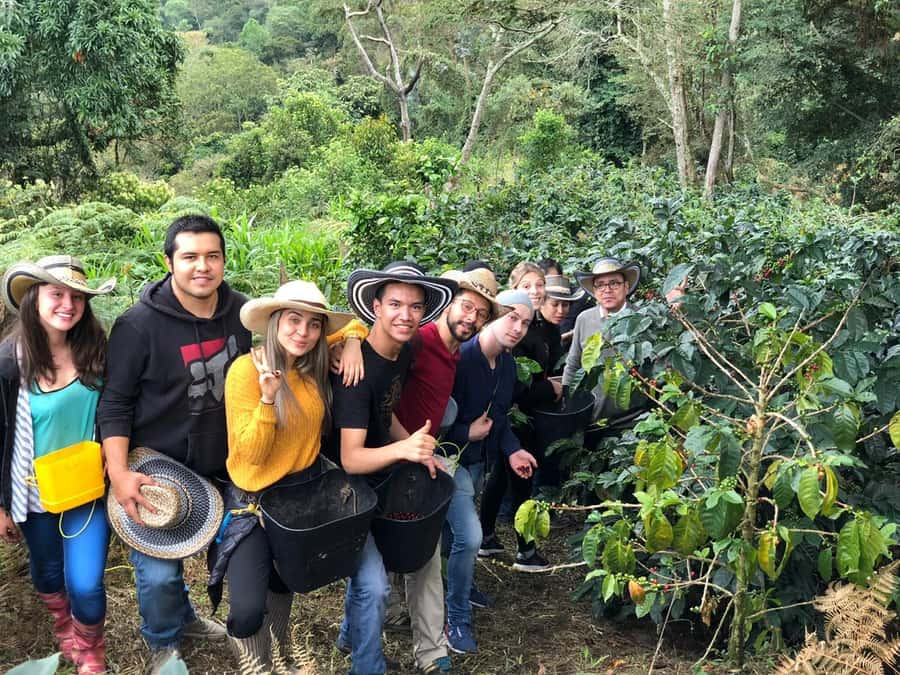
The heart of this experience is simple: you walk through a working Colombian coffee farm and see how a small seed becomes the drink in your cup. You can pick coffee cherries and plant a seedling, then follow the beans through drying, roasting, and sometimes grinding.
I like the personal scale and the chance to ask questions as you go. I also like that the tour can include a short introduction to Salento, with guide Kevin offering local background before the drive to the finca. The main caution is important: the advertised five hours may not always be the time spent at the farm, so confirm the day’s schedule before booking.
Key points to know
- A hands-on coffee lesson: Pick cherries and plant a coffee seedling instead of only watching a demonstration.
- A private group: You have a live English- or Spanish-speaking guide and can ask questions at your own pace.
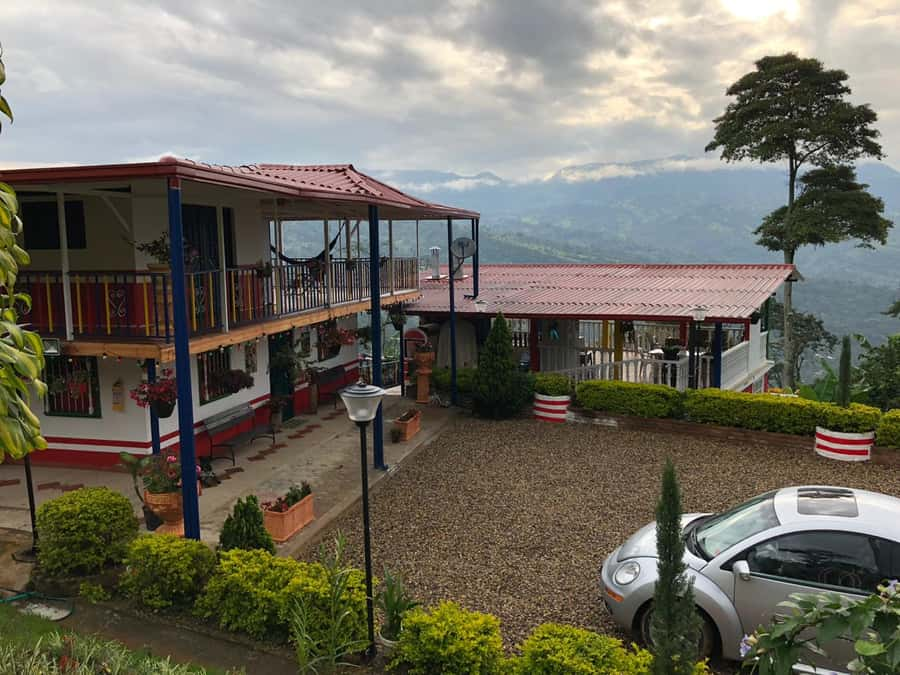
- A traditional farm setting: The coffee finca has about a century of history, open views, and a calm rural feel.
- A proper tasting: Baristas explain how to recognize good Colombian coffee before you drink a fresh cup.
- A timing detail to check: The experience is sold as five hours, but one booking took about two hours, so clarify the full plan.
From Salento Streets to a Working Coffee Finca
The day begins with pickup from your accommodation in Filandia. The experience is connected with Salento, and some itineraries include a walk through town before the farm visit. Kevin, named by several people who took the tour, has been praised for explaining the town, region, and country before heading out to the finca.
That opening matters because coffee is not separate from daily life here. A short town orientation gives you a little context before you see the work behind the drink. It also makes the outing feel like more than a ride to a plantation and back.
Transport and pickup are included in the price. You do not need to arrange your own way to the farm, which is useful if you are staying in Filandia and are not familiar with the rural roads. The group is private, so the pace can be more personal than on a large coach outing.
One practical point deserves attention. The published duration is five hours, but the actual time can vary. In one case, the coffee portion took around two hours, and the guide tried to add more to the visit after the discrepancy was raised. If you are setting aside a full half-day, ask exactly how much time includes transport, the Salento walk, and the farm activities.
More Cocora Valley trips from Salento
- From Salento: Cocora Valley Shared Tour
★ 4.8 · 246 reviews - Salento: Private Cocora Valley, Salento & Coffee Farm Tour
★ 4.9 · 202 reviews - Coffee Tour at Finca El Ocaso Salento: Traditional Spanish Farm
★ 4.8 · 89 reviews
Walking Through a Century of Coffee Growing
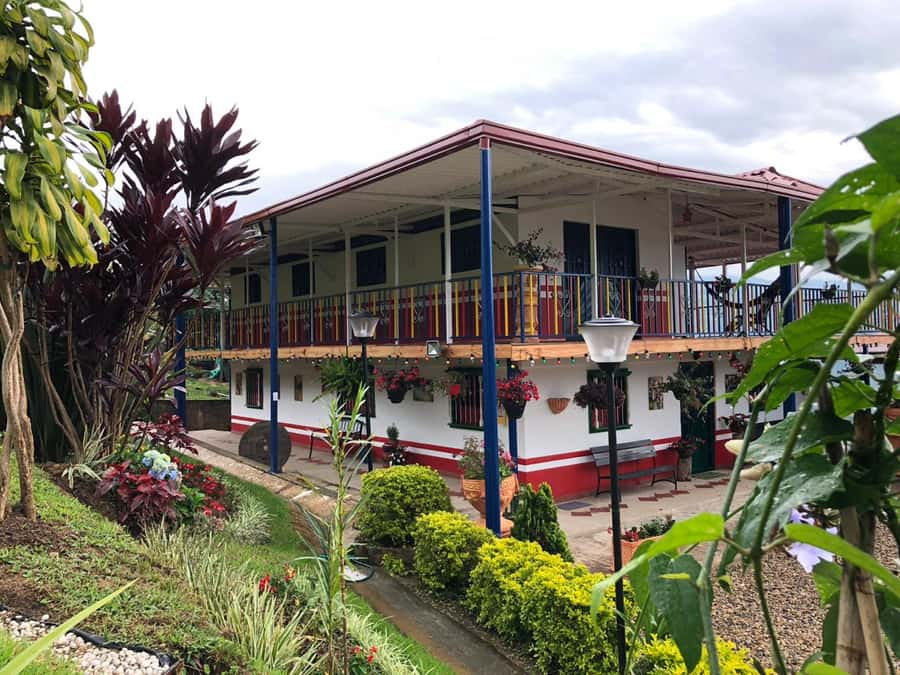
At the farm, you meet a guide and coffee specialist who leads you through the different stages of production. The farm is described as having around one hundred years of history, and the appeal is its working character rather than a polished museum presentation.
You see the coffee bushes and the areas used for the different stages of production. The guide explains how coffee starts as a seed, grows into a plant, produces cherries, and then moves through processing before roasting. The point is not simply to memorize steps. You begin to see why coffee quality depends on many small decisions made long before the beans reach a café.
The setting adds to the lesson. Expect plantation views, a peaceful atmosphere, and time outdoors. This is not a city attraction with displays behind glass. You are walking around a farm, so comfortable clothing and shoes matter. Bring water and a camera, and dress for the weather. The tour operates in all weather conditions.
The farm walk may be especially rewarding if your coffee experience so far has stopped at ordering a cappuccino. You learn that the bean in the cup has passed through several stages, many of them done by hand. That physical work helps explain why a good cup costs more than the raw ingredient might suggest.
Picking Cherries and Planting a Seedling
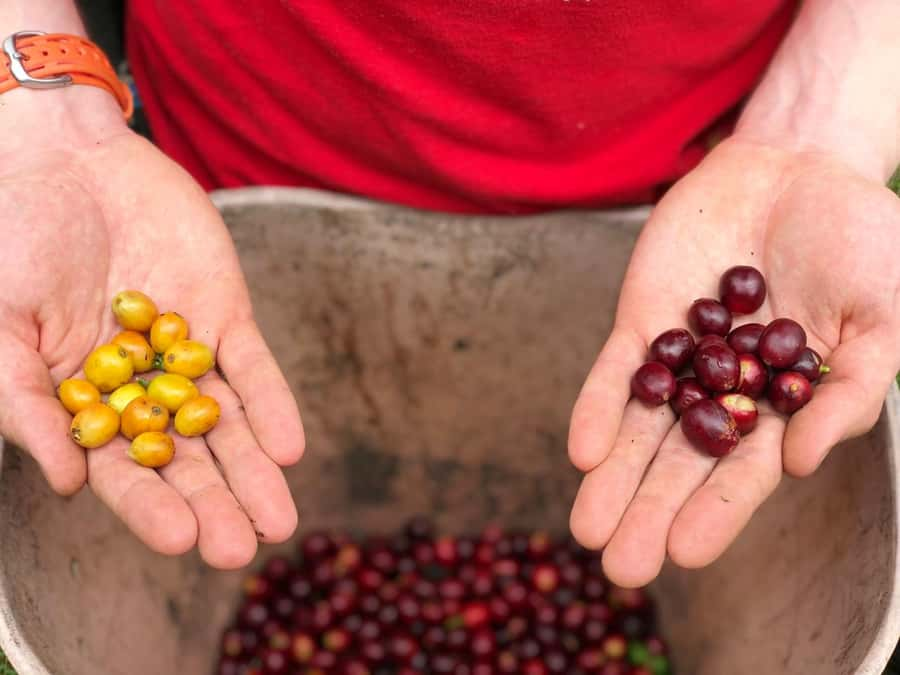
The most useful part of the visit is the hands-on work. You may pick ripe coffee cherries from the bushes and plant a coffee seed in the nursery area. These tasks are brief, but they change the way you look at the farm.
Picking a cherry shows how little the finished product resembles the fruit at harvest. You are not plucking a ready-made coffee bean. You are handling the fruit that contains the seeds, which then require further processing before roasting.
Planting a seedling gives you another view of the timeline. A cup of coffee begins with patience. The plant needs care long before anyone can harvest it, and the person planting a young seedling will not be drinking coffee from that plant right away. That small act makes the work of growers easier to appreciate.
Do not expect a full day of farm labor. This is a guided introduction, not a worker training session. The activities are meant to help you understand the process and take part in selected stages. For most people, that is the right balance. You get your hands dirty enough to remember the lesson without turning the tour into hard physical work.
Drying, Roasting, and the Last Steps
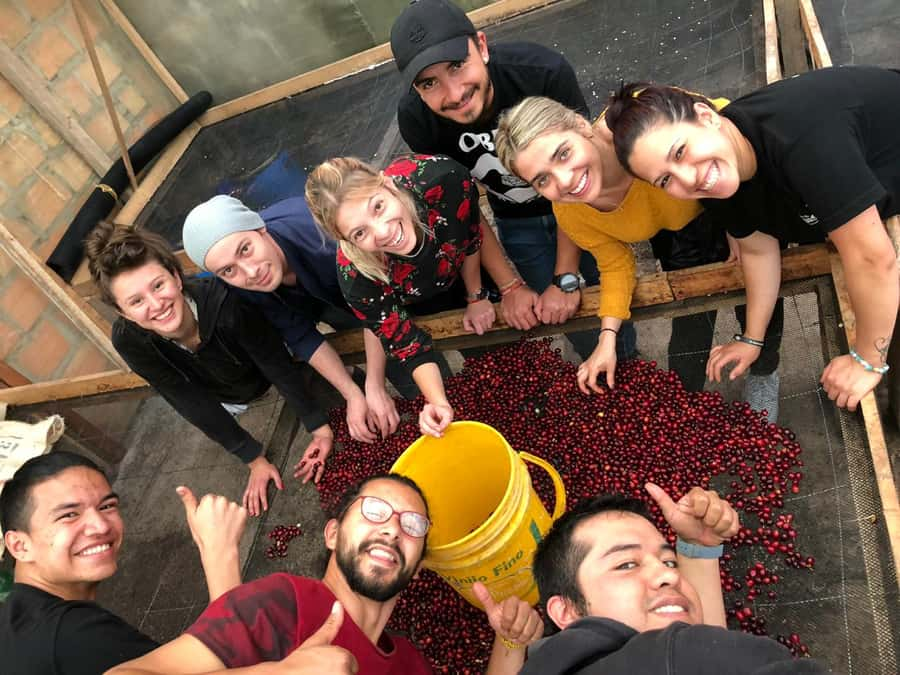
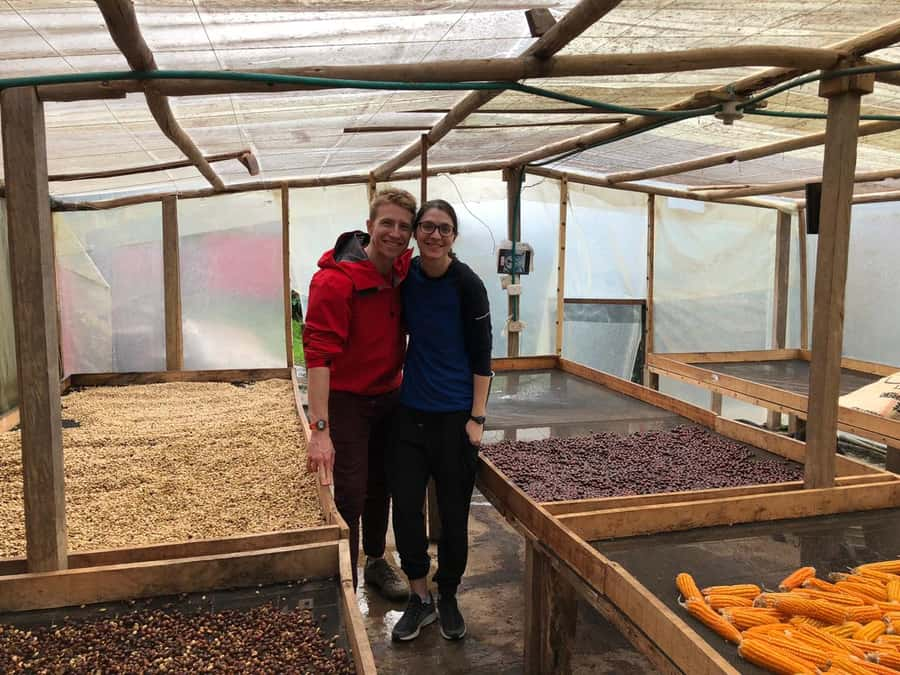
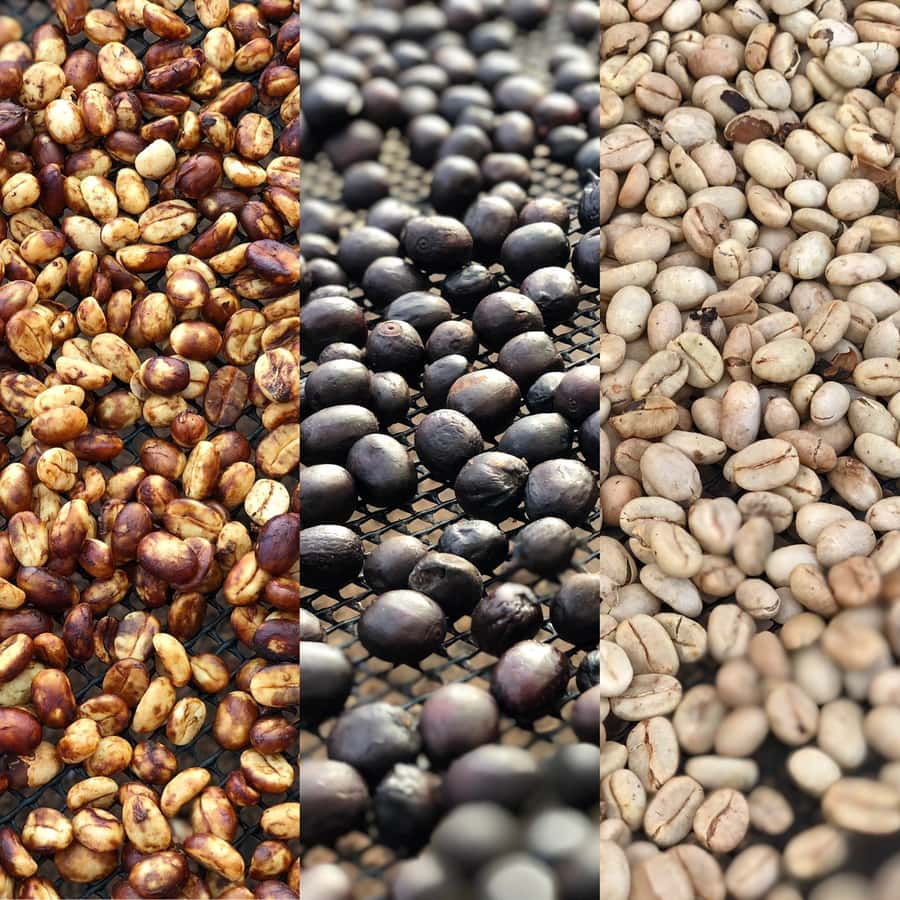
After the plantation walk, the tour moves toward the stages that bring the bean closer to your cup. You learn about drying and roasting, and grinding may also be included depending on the visit.
The roasting demonstration is one of the most memorable details available here. On some visits, you can take part in preparing the roast rather than watching from a distance. That gives you a clear link between the farm work and the coffee you taste at the end.
The guide at the finca may be Marlon, who has been noted for explaining the process clearly and adding plenty of humor. The combination of farm knowledge and an easy manner is useful because coffee production can sound technical when explained too quickly. A good guide keeps the subject grounded in what you can see and handle.
The exact order of drying, roasting, and grinding may vary. The supplied description says grinding happens sometimes, not on every visit, so treat it as a possible part of the program rather than a promise. If grinding is important to you, ask ahead.
This is also where the tour earns much of its value. You see that the farm does not simply grow coffee and send it away. The later steps shape the aroma, flavor, and final quality. Watching even part of the roasting process makes the last cup feel connected to the place where the beans began.
More coffee farm days from Salento
- Coffee Tour Salento-Ocaso Farm- English Tour
★ 4.6 · 88 reviews - Coffee Farm and Salento Walking Tour
★ 5.0 · 47 reviews - Cocora Valley Tour and Coffee Farms
★ 4.5 · 40 reviews - Coffee Tour.
★ 5.0 · 33 reviews
A Colombian Coffee Tasting With Baristas
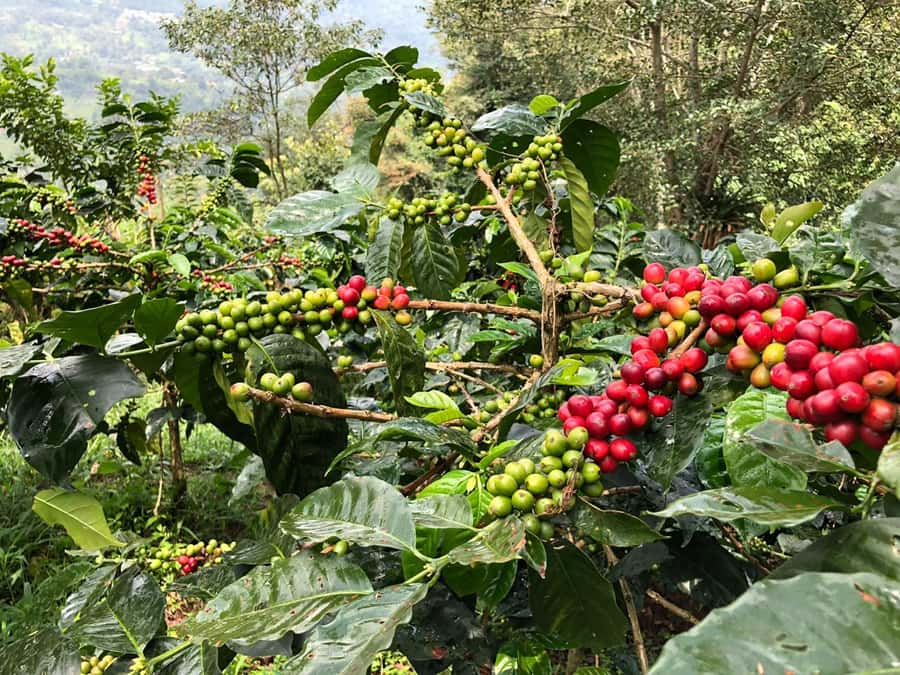
The tasting closes the experience. Baristas explain how to recognize the qualities of high-grade Colombian coffee, then serve a fresh cup for you to try.
You do not need to arrive with a trained palate. The point is to learn what to notice. You can ask questions about the smell, taste, and preparation while the coffee is fresh. A short tasting lesson is more useful than simply being handed a drink because it gives you a way to compare coffee after you leave Colombia.
The tasting also completes the story of the tour. First you see the plant, then the cherry, then the processing and roasting. Finally, you taste the result. That sequence gives the visit a clear shape and prevents it from feeling like a collection of unrelated farm stops.
Coffee quality depends on more than the country name printed on a packet. Growing conditions, harvesting, drying, roasting, and preparation all matter. The barista portion helps you understand that quality is built step by step, with growers playing a major role.
If you are not a serious coffee drinker, the tasting still has value. You can enjoy a good cup and ask practical questions without needing special vocabulary. If you are already passionate about coffee, you will likely want to use the private format to ask more detailed questions about the farm’s methods and roast.
What the Guides Add to the Day
The people leading the experience are central to its appeal. Kevin may handle the town portion and transport, while Marlon may host the farm visit. The available information also names both Spanish and English as tour languages.
Kevin has been singled out for combining local information with practical help, including taking photographs. That can be a nice benefit when you are traveling alone or want pictures of the farm activities without constantly setting up your own camera.
Marlon’s role is more focused on the finca and the coffee process. His explanations are described as clear, friendly, and humorous. A farm tour depends heavily on the person explaining it. Without a good guide, you see bushes and equipment but miss the reason each stage matters.
Because the group is private, you can ask for clarification or spend a little longer on a subject that interests you. You can also tell the guide if you want more detail about roasting, planting, or the regional background. The tradeoff is that a private tour usually costs more per person than a large shared outing, so the price makes most sense if you value personal attention.
Is $101 a Fair Price?
The cost is $101 per person. That is not a bargain for a short attraction, but the value looks better when you use the included pieces: pickup and drop-off, entry to the farm, a private guide, the farm activities, and the coffee tasting.
You are paying for more than a tasting at a café. Transport is included, and the guide may add a Salento walk and regional explanation. You also get access to a working farm and the chance to participate in planting, picking, and roasting. For someone who wants a complete introduction without arranging several separate activities, that package can be worthwhile.
The price is harder to justify if your visit lasts only around two hours and includes little beyond a basic explanation and one cup. That is why the timing issue matters so much. Before you pay, confirm what the five hours covers and how long the farm portion is expected to last.
Lunch is not included. You may receive a small local snack at the finca, depending on the visit, but you should not treat that as a meal. Eat beforehand or plan food for afterward. Extra purchases are also your responsibility, including any coffee you decide to take home.
Who Will Enjoy This Farm Visit Most?
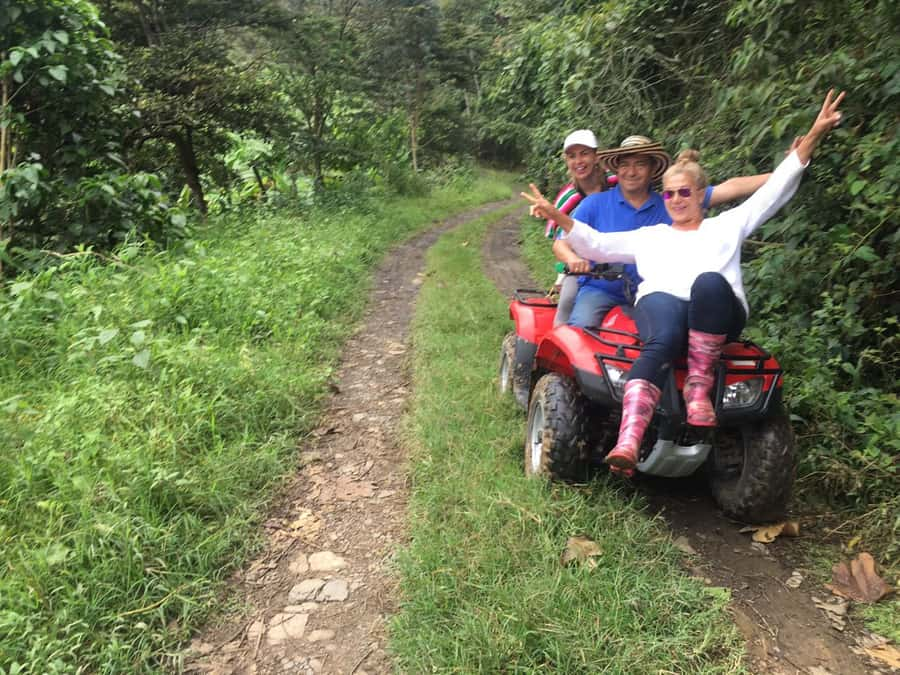
I would recommend this tour to anyone who wants to understand coffee at its source, especially first-time visitors to Colombia’s coffee region. The activities are gentle and social, and the mix of walking, practical work, transport, and tasting suits a half-day plan.
It is a good choice for couples, families with older children, and small private groups who want a shared activity rather than a long historical tour. Coffee drinkers will get the most from the tasting, but the farm setting and planting activity give non-coffee enthusiasts something to enjoy as well.
You should be comfortable walking around an outdoor farm. Wear shoes that can handle uneven or damp ground, bring water, and carry a camera if you want photographs. Since the tour runs in all weather, a light rain layer is sensible even if the morning looks clear.
This experience is not suitable for wheelchair users. The farm setting, plantation paths, and hands-on activities may not work well for visitors with limited mobility. If accessibility is important, ask the operator for current details before booking.
Timing, Weather, and Practical Planning
The tour lasts about five hours on paper, but build your plan around the confirmed schedule rather than the headline duration. Ask whether your booking includes a Salento town walk, how long the drive takes, and how much time you will have on the farm.
Pickup is included from accommodation in Filandia. The description places the experience in the Salento area and Tolima, while the farm named in the detailed account is Finca Luger. Since rural names and pickup areas can cause confusion, check the exact meeting and farm details before the day.
The tour operates in rain or shine. Coffee farms are outdoor places, and weather can change the feel of the visit. Comfortable clothes, sturdy shoes, water, and a camera are the basic kit. You do not need special coffee equipment or prior tasting experience.
Cancellation is flexible up to 24 hours before the activity for a full refund, and you can reserve while paying later. Those terms help if your Colombia plans are still shifting, but the main decision remains the schedule and the quality of the farm portion.
Should You Book This Coffee Tour?
Book it if you want a personal, hands-on introduction to Colombian coffee and you value meeting the people who grow, roast, and explain it. The strongest parts are the private guiding, the chance to pick cherries and plant a seedling, the roasting connection, and the final tasting.
Pause before booking if you need a full five-hour farm program with a fixed, tightly timed itinerary. Ask for confirmation of the actual duration, especially if you are paying $101 per person and have limited time in the region.
For coffee lovers, the tour is an easy choice when the farm schedule is confirmed. For everyone else, it is worthwhile if you want a calm rural outing that combines Salento, local transport, practical work, and a fresh cup with a story behind it.
FAQ
Where does the tour pick me up?
Pickup and drop-off are included from your accommodation in Filandia.
How long does the experience last?
The stated duration is five hours, but the actual timing can vary. Confirm how much time will be spent at the farm and how much includes transport or a Salento walk.
What languages are available?
The live tour is available in English and Spanish.
Is this a private tour?
Yes. The experience is offered for a private group.
What activities are included at the coffee farm?
You can learn about the coffee process from seed to roasting, pick coffee cherries, plant a coffee seedling, and take part in a coffee tasting. Roasting and sometimes grinding are also included in the later stages.
What should I bring?
Bring comfortable shoes, comfortable clothing, water, and a camera. The tour operates in all weather conditions, so dress appropriately for rain or sun.
More Food & Drink in Salento
- Medellin: Comuna 13 Graffiti Tour, Cable Car & Street Food
★ 4.8 · 9,046 reviews - Medellín: Comuna 13 True Story and Street Food Tour
★ 4.9 · 1,779 reviews - Cartagena: Guided Street Food Tour with Tastings
★ 4.9 · 833 reviews - Medellín: Pablo Escobar Tour with beer included
★ 4.7 · 612 reviews
More Coffee Experiences in Salento
- Salento and Cócora Tour + Coffee Farm from Pereira/Armenia
★ 5.0 · 33 reviews - Coffee Farm Tour at Finca El Ocaso from Salento
★ 4.5 · 19 reviews - Salento: Coffee Master Roasting, Brewing and Tasting Tour
★ 4.8 · 6 reviews - Medellin: Coffee Tour with Transport, Snacks and Tastings
★ 4.7 · 1,357 reviews
Just added in Salento
- Cocora Valley Tour and Coffee Farms★ 4.5 · 40 reviews
- Full Day Climbing The Cocora Valley with Lunch★ 5.0 · 29 reviews
- Coffee Tour.★ 5.0 · 33 reviews
- Coffee Farm and Salento Walking Tour★ 5.0 · 47 reviews
- Howler Monkey Tour On The Barba Reserve – Bremen Of Philandia★ 5.0 · 48 reviews
- Santa Rita Waterfall and Salento Private Tour★ 5.0 · 9 reviews
- Salento: Salento & Cocora Valley Tour★ 5.0 · 11 reviews
- Salento: hike to learn about Birds★ 4.9 · 6 reviews
Cocora Valley & Salento Tours, compared.
Private Cocora Valley, Salento & Coffee Farm Tour
Read our review →
Salento, Cocora and Filandia Private Tour from Pereira or Armenia
Read our review →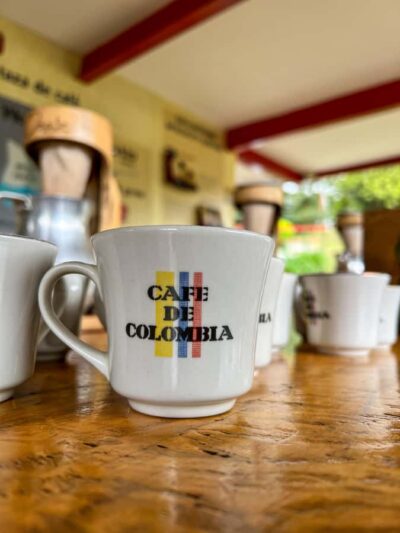
Coffee Tour at Finca El Ocaso Salento: Traditional Spanish Farm
Read our review →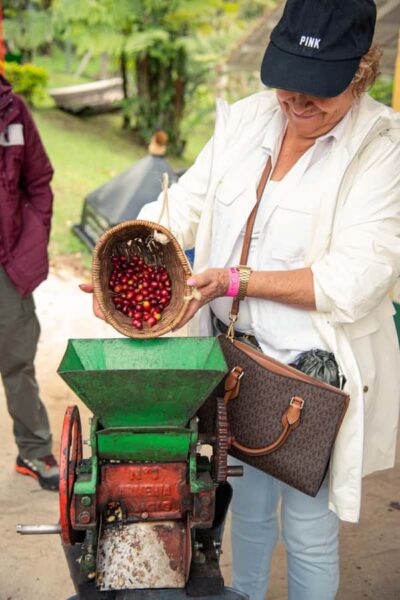
Salento/Pereira: Cocora Valley & Salento Hiking Private Tour
Read our review →
Full-Day Private Coffee Tour in Cocora Valley and Salento
Read our review →Browse the lists this tour appears in