
Reviewed · HIKING & TREKKING
Santa Marta: Multi-Day Trek to The Lost City
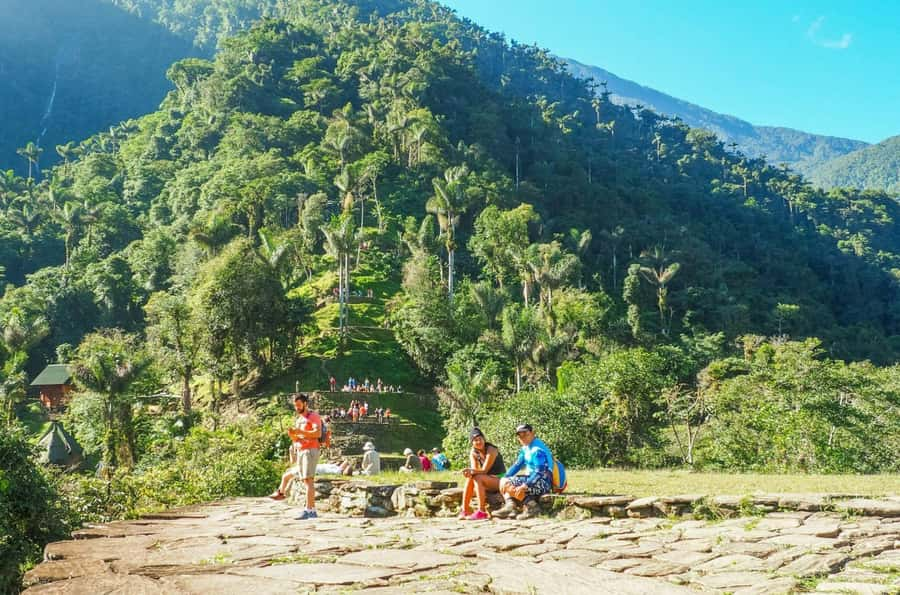
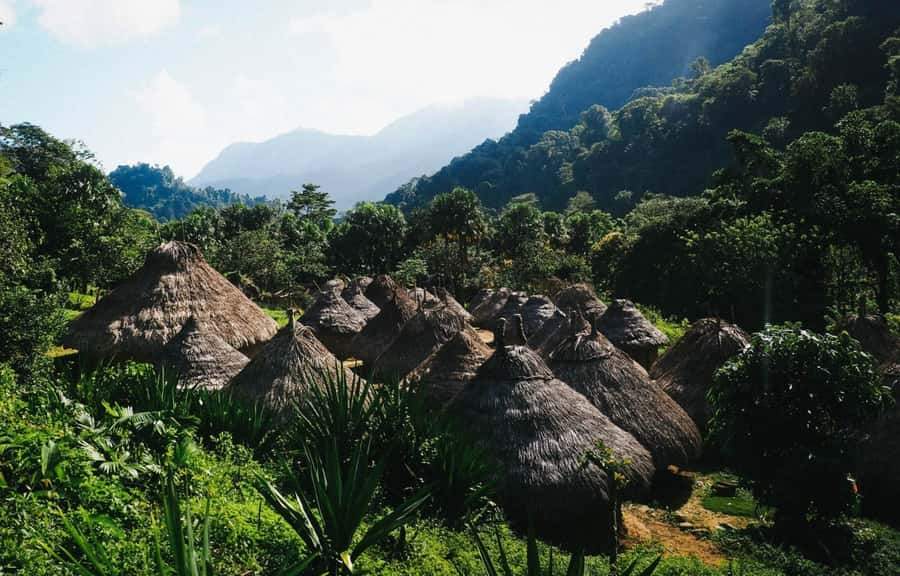
The Lost City is reached by 1,200 stone steps through hot, wet jungle, not by a quick sightseeing bus. That makes this one of Colombia’s most rewarding archaeological trips, but also one of its hardest. You walk for several days to reach terraces built by the Tayrona people around 800 CE, centuries before Machu Picchu.
I like the small groups and capable guide teams, with English and Spanish support, and I like that the trip pays into local indigenous communities while using camps run by people from the region. The main caution is simple: this is a serious trek. Long uphill stretches, mud, heat, mosquitoes, river crossings, and basic sleeping arrangements are part of the deal.
Key points to know before you book
- The Lost City sits above 1,200 stone steps, with 169 terraces, tiled paths, and circular plazas waiting at the top.
- Choose 4, 5, or 6 days, with the longer versions giving you more time at the camps and indigenous reserve.
- Expect hot, humid walking, usually around 26°C to 32°C by day, with cooler nights near 18°C.
- Sleep in hammocks or beds with mosquito nets, with electricity, toilets, and showers at the camps.
- Meals, purified water, snacks, fruit, transport, site entry, and insurance are included, but drinks besides water cost extra.
- The 15-person maximum keeps the group manageable, and English and Spanish guiding is available.
Reaching the trailhead from Santa Marta
The trip begins around 9:30 in the morning, with pickup from Santa Marta’s urban area, Rodadero, or Taganga. Pickup does not cover Bonda, Minca, Palomino, or places outside the urban perimeter, so check your lodging before booking.
A 4WD jeep takes you roughly three hours to El Mamey. This is not a glamorous transfer. The road is part of the adventure, and one useful warning from the trip feedback is that the vehicle can feel very full, especially on the return. If you value comfort in transport, factor that into your expectations.
At El Mamey, you eat lunch before setting out on foot. The first walk covers about 7.6 kilometers and takes around four hours. It is described as the gentler opening day, though gentler is a relative word when you are carrying a daypack in tropical heat.
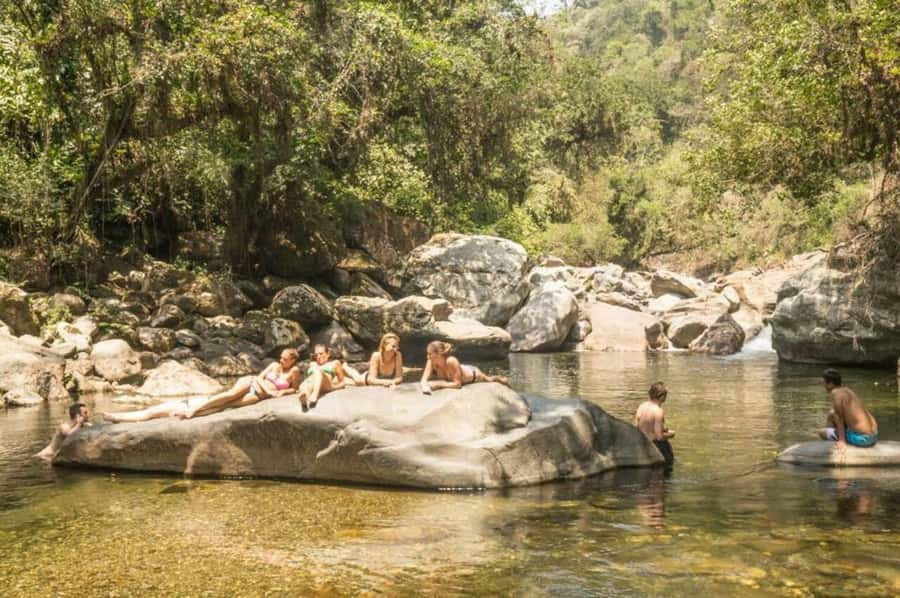
The early route includes Las Tres Cruces lookout, fruit and snacks, natural pools, and waterfalls. These stops matter because the trail quickly becomes warm and sweaty. Take advantage of every chance to drink, cool off, and adjust your pack before the longer days begin.
A few more trips around Santa Marta worth a look
- Tayrona Park Hike And Beach Day
★ 5.0 · 91 reviews - Guided Hiking through Tayrona National Park and Cabo San Juan
★ 4.5 · 73 reviews - Trekking Cerro Kennedy 2 days
★ 5.0 · 47 reviews
Day 1: Pools, waterfalls, and the first jungle camp
The first afternoon gives you a useful introduction to the rhythm of the trek. You walk, stop, cool down, eat, and keep going. The natural pools and waterfalls are not just scenic pauses. They are practical places to rinse off the trail dust and lower your body temperature.
The first camp is reached late in the afternoon. Dinner is included, and you sleep in either a hammock or a bed covered by a mosquito net. Camps have electricity, toilets, and showers, but this remains basic jungle accommodation rather than a hotel.
Bring a towel, flip-flops, toiletries, insect repellent, and quick-dry clothing. You will be glad to have dry clothes for the evening. Rain can arrive around sunset, and muddy sections may make footwear and clothing damp even when the morning begins bright.
Day 2: The Buritaca River and Mutanyi
The second day is usually the biggest test on the 4-day and 5-day versions. After breakfast, you walk toward the Wiwa camp beside the Buritaca River. The route covers about 14.7 kilometers and takes roughly seven hours, with plenty of uphill walking and some descents.
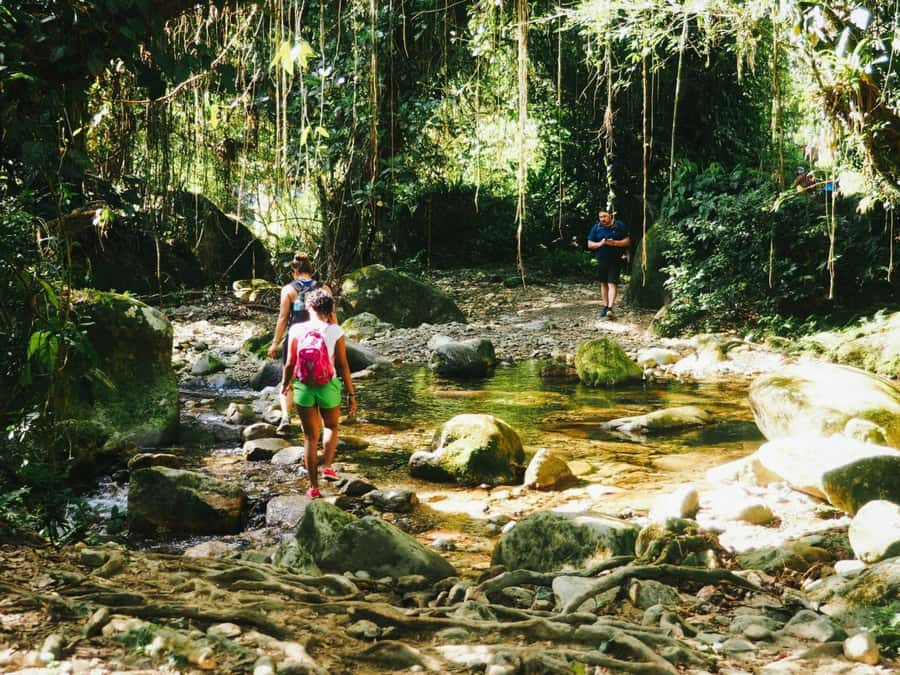
The river gives the day a welcome break. You can bathe, rest, and eat lunch near the water before continuing. You will cross streams or rivers during the trek, so keep your phone and other electronics protected in a waterproof bag.
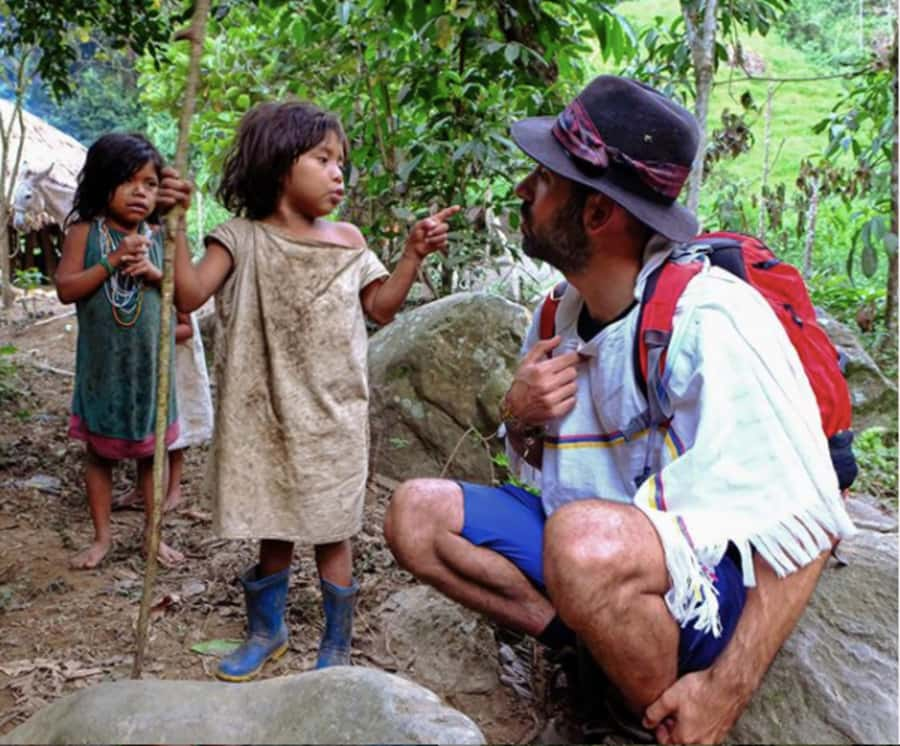
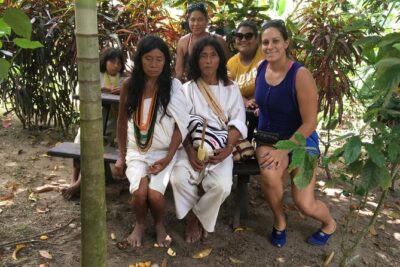
The path then reaches Mutanyi, a small Kogui community made up of several homes. This is one of the most important parts of the route because the Lost City is not an isolated ruin detached from modern life. Indigenous communities still live in the Sierra Nevada, and the trek offers a chance to learn about Wiwa and Kogui traditions through local guides and cultural exchanges.
You should approach this part with respect and attention. The experience is not a staged show. The accommodation and food businesses are run by communities in the area, and service can vary because the camps operate independently. That local connection is a major benefit, but it also means you should not expect identical standards at every stop.
Day 3 or Day 4: Climbing to the Lost City
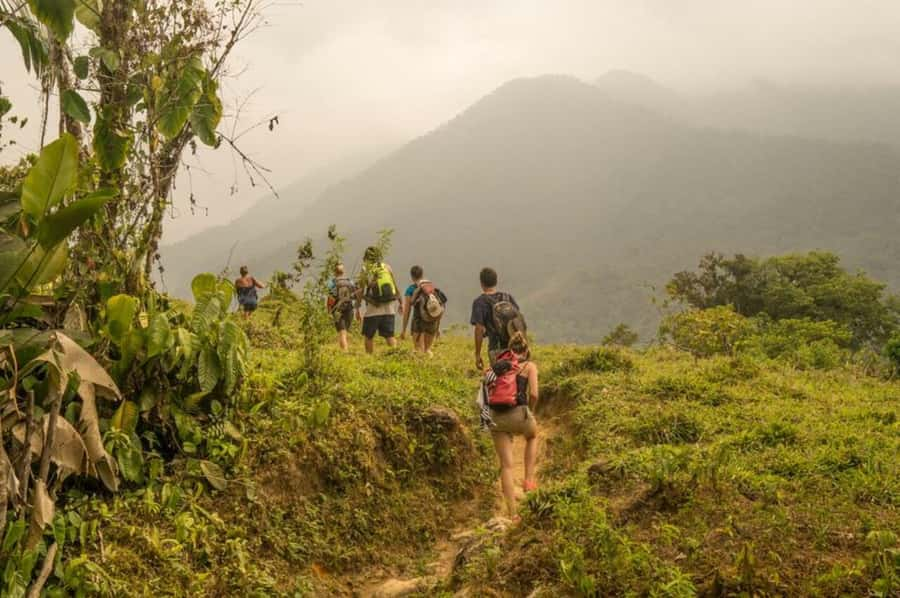
On the 4-day and 5-day routes, the main climb begins very early on the third day. On the 6-day route, it happens on the fourth day, after a slower cultural visit and an extra night in the jungle.
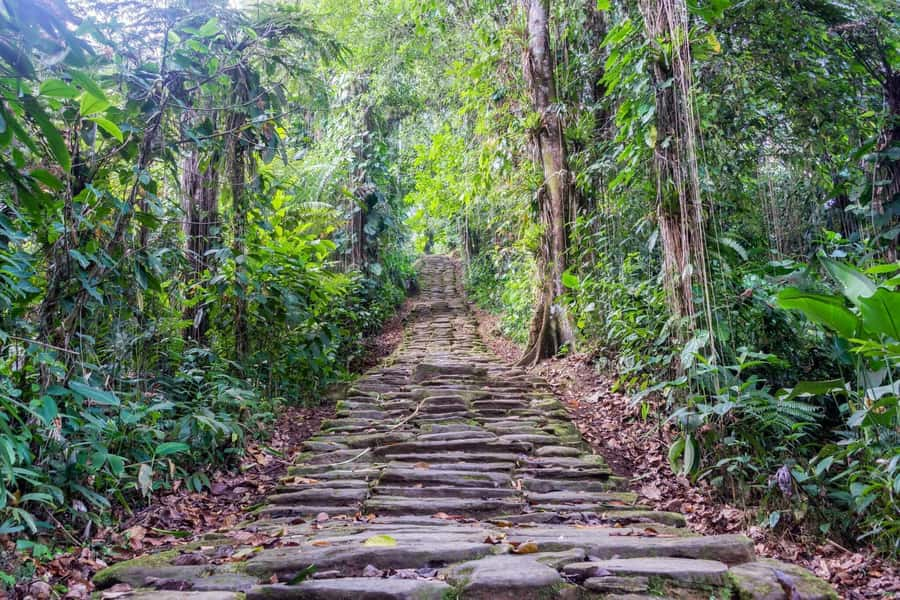
The final approach is the part you have been working toward. You climb 1,200 stone steps built by the Tayrona people, with jungle around the route and uneven footing underfoot. The steps can be wet and slippery, so proper hiking shoes are far more useful than casual trainers.
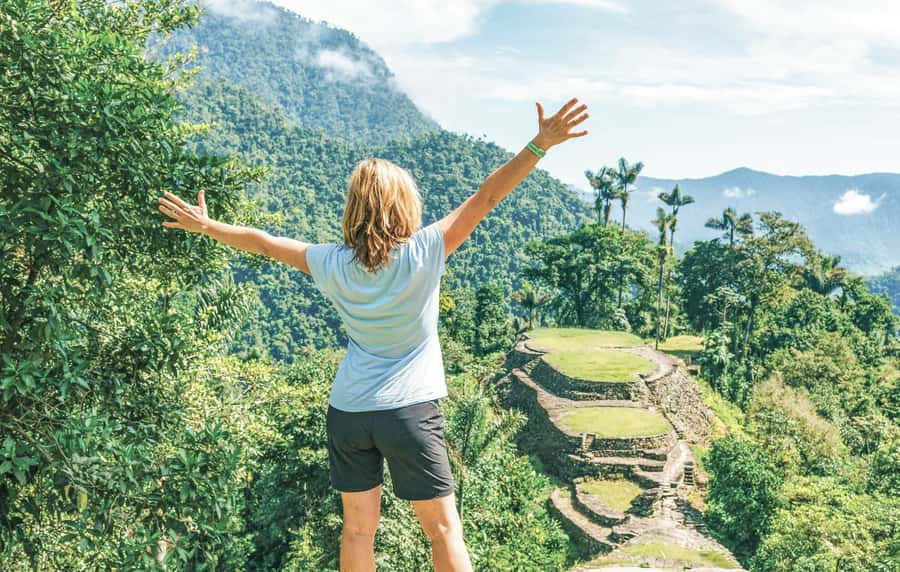
At the top, the archaeological site includes 169 terraces, tiled roads, and small circular plazas. The city is believed to have been founded around 800 CE, about 650 years before Machu Picchu. Your guide explains the ruins, local stories, and the meaning of the site, so this is not simply a climb to a photo stop.
Plan to take your time at the top. The views and stonework reward patience, and you will want a few quiet minutes to look beyond the camera screen. The path back is still demanding, though the day’s walking totals about seven hours and includes roughly six kilometers of uphill and downhill sections.
After lunch at camp, you continue toward the Wiwa camp or the next overnight stop, depending on the version you choose. The return does not feel like an easy downhill stroll. Heat, tired legs, and slippery ground can make the second half of the day just as serious as the climb up.
Same city, a different sort of day:
- Santa Marta: Sailboat day tour to Tayrona Park
★ 4.5 · 352 reviews - From Santa Marta: Tayrona National Park Guided Tour
★ 3.8 · 131 reviews - Tayrona Bay Sailboat trip
★ 4.5 · 107 reviews - Santa Marta: Minca Coffee, Cocoa, & Waterfall Full-Day Trip
★ 4.6 · 102 reviews
Comparing the 4, 5, and 6-day versions
The 4-day option is the most efficient choice. It gets you to the site and back with fewer nights in the jungle, but it also compresses the walking. The itinerary includes long days, especially the second and third days, and there is less time to recover.
The 5-day option adds a slower final day. After walking back toward the first camp on day four, you have lunch and spend the afternoon resting, enjoying the views, and talking with the group. The final walk to El Mamey takes place the next day.
I see the 5-day version as the best balance for many people. It does not remove the difficult climbs, but the extra night breaks up the return and gives you time to enjoy the camp instead of racing through the final stretch.
The 6-day option spreads the journey out further. On day two, you walk only around three hours on relatively smooth ground to an indigenous reserve, where you spend time learning about Wiwa and Kogui culture and enjoying the river. Day three covers about five hours with some ups and downs, leading toward the Buritaca valley and Mutanyi.
That slower start has real value. If cultural contact and a less rushed pace matter to you, six days may be worth the added time. It is not an easier trip overall, but it gives your body and mind more breathing room.
Camps, food, and what basic really means
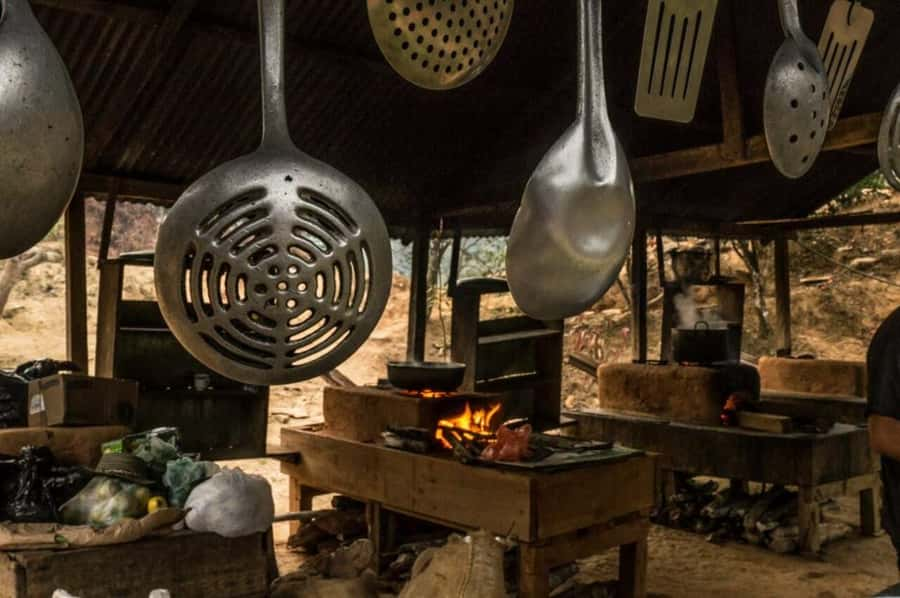
Breakfast, lunch, and dinner are included every day. Purified water, fruit, and snacks are provided during the walks. This is helpful because you do not need to carry several days of drinking water, though you should still bring a refillable bottle or water container.
You do need cash for drinks besides water and for possible extras such as soft drinks or sports beverages. The price is easier to judge if you remember what is covered: jungle accommodation, food, site entry, 4WD transport, guide service, accident insurance, water, snacks, and storage for your main suitcase.
The camps use hammocks or beds with mosquito nets. Electricity, toilets, and showers are available, but conditions are shared and modest. Pack a flashlight even if you have a charged phone, since it is useful around camp and during early departures.
Food is a strong part of the experience when the kitchen is running well. One guide and cook team praised in the trip feedback included Arghenith, translator Victor, and chef Bridgette. Another highly praised guide was Francisco, who explained indigenous traditions and the story of the communities around the Lost City. Emilie was noted for encouragement and support during hard sections.
That said, food quality and portion sizes can vary by camp. One trip account also reported food poisoning on the final day. That does not mean it will happen to you, but it is sensible to bring personal medication, use hand sanitizer, and be careful with anything you buy beyond the included meals.
How hard is the Lost City trek?
This is not an ordinary walk. The route includes several days of hiking, long uphill stretches, mud, heat, humidity, river crossings, and slippery stone steps. A person with average fitness may find that the trek takes most of their energy each day.
You do not need to be an elite hiker, but you should be comfortable walking for up to seven hours and handling uneven ground. The second day on the shorter itineraries is especially demanding at about 14.7 kilometers. You also need enough mental stamina to keep moving when your clothes are damp and your legs are tired.
Use a small daypack and keep it light. Wear quick-dry clothing, bring rain gear, and carry sunscreen, socks, insect repellent, and personal medicine. Warm clothing still belongs on the packing list because nights can cool to around 18°C.
The tour is not suitable for pregnant women or wheelchair users. Drones are not allowed. The official advice also includes swimwear, a towel, hiking shoes, flip-flops, cash, a charged smartphone, and toiletries.
What the $713 price really buys you
At $713 per person, this is a major purchase, especially for a four-day tour. The value depends on how much you want arranged for you. You are paying for a remote multi-day route with food, camps, transport, a professional guide, an archaeological entrance ticket, local community contributions, insurance, water, and suitcase storage.
The price is harder to justify if you compare it only with the cost of walking. It is easier to understand when you consider the logistics of moving a group through the jungle, feeding people for several days, arranging camps, and providing bilingual support.
Still, the cost does not cover every possible drink or comfort item. Some feedback also raised concern about extra charges for items such as motorbike transport, mules, or soft drinks. Ask what is included before departure and keep cash available.
A small group of up to 15 people is a fair advantage. You are not hiking alone, and the guide can help maintain the pace and explain the archaeological and cultural details. The quality of that support matters greatly on a difficult route.
Who should choose this trek?
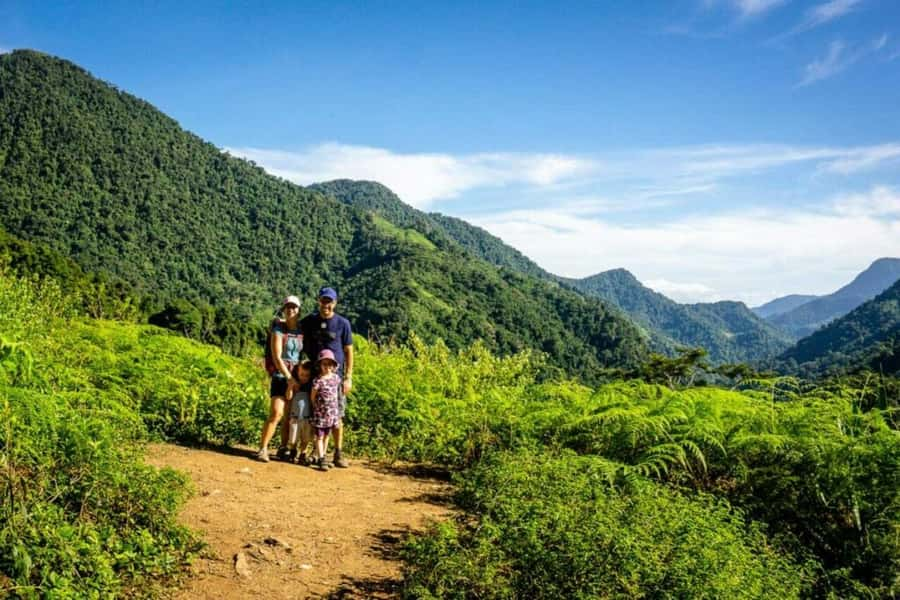
Choose it if you want an active trip with a strong sense of place, rather than a quick ruin visit. You will suit the experience if you enjoy jungle walking, simple camps, river swims, cultural exchange, and days that begin early.
The 5-day option fits you if you want a little recovery time without adding the full length of the six-day route. Pick six days if the indigenous reserve and slower pace are central to your plans.
I would be cautious if you dislike humidity, shared accommodation, insects, muddy trails, or long days without modern comforts. You may also find the trip poor value if you expect hotel-level rooms, generous transport space, or every drink and extra included in the price.
Pickup is available within Santa Marta, Rodadero, and Taganga, and cancellation is free up to 24 hours before departure. You can also reserve now and pay later, which helps if your Colombia route is still changing.
Should you book the Lost City trek?
Book this tour if reaching the Lost City matters enough to justify four to six demanding days in the Sierra Nevada. The ruins, stone steps, jungle pools, rivers, and contact with Wiwa and Kogui culture give the route far more meaning than a simple archaeological stop.
I would choose the 5-day version for the best mix of challenge and rest, unless the slower cultural pace of the 6-day route appeals to you more. Pack light, protect your phone from rain, bring cash for drinks, and train for long uphill walks before arriving.
Skip it if you want an easy holiday or private comfort. But if you are ready for mud, sweat, hammocks, and tired legs in exchange for a rare visit to an ancient mountain city, this is one of Santa Marta’s most memorable trips.
FAQ
How long is the Lost City trek?
You can choose a 4-day, 5-day, or 6-day version. The shorter trips reach the site earlier, while the longer routes add more rest time and cultural activities.
What languages do the guides speak?
Guide service is available in Spanish and English. Some groups may also have an interpreter, depending on the arrangement.
Where does pickup take place?
Pickup is included from Santa Marta’s urban perimeter, Rodadero, and Taganga. It does not include Bonda, Minca, Palomino, or areas outside the urban perimeter.
Where will I sleep during the trek?
You will sleep in jungle camps in either hammocks or beds with mosquito nets. The camps have electricity, toilets, and showers.
Are meals and drinking water included?
Breakfast, lunch, dinner, purified water, fruit, and snacks during the walks are included. Drinks besides water are not included.
What should I bring?
Bring warm clothing, swimwear, a towel, hiking shoes, sunscreen, rain gear, flip-flops, insect repellent, toiletries, socks, cash, a flashlight, personal medication, quick-dry clothing, and a daypack. Drones are not allowed.
Just added in Santa Marta
- Tayrona Park Hike Tour to Cabo San Juan: Private or Shared★ 4.5 · 44 reviews
- Trekking Cerro Kennedy 2 days★ 5.0 · 47 reviews
- Santa Marta Street Food Tour: 7 Tastings with a Local Guide★ 5.0 · 39 reviews
- Los Naranjos Beach Horseback Riding Tayrona Park.★ 5.0 · 32 reviews
- Tour en Velero a Bahía Concha Parque Tayrona★ 3.5 · 4 reviews
- Tayrona Park & Playa Cristal★ 3.8 · 4 reviews
- Tayrona Park & Cabo San Juan★ 3.5 · 20 reviews
- SPEEDBOAT TOUR TO TAYRONA CRISTAL BEACH★ 3.7 · 7 reviews
Hiking & Trekking, compared.
Private tour: hiking to the crystalline MELCOCHO river from MEDELLÍN
Read our review →
Salento/Pereira: Cocora Valley & Salento Hiking Private Tour
Read our review →
Guided Hiking through Tayrona National Park and Cabo San Juan
Read our review →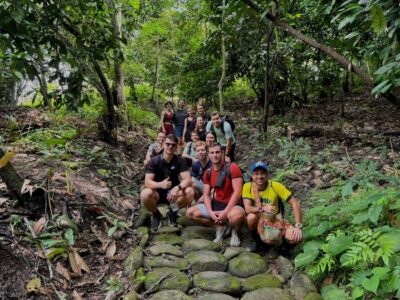
Trekking History and Indigenous Heritage in Minca + Cacao & Coffee + Waterfall
Read our review →
Hiking to the largest paramo on earth : Sumapaz
Read our review →Browse the lists this tour appears in