
Reviewed · COLOMBIA
Community tour Biodiversity Latatacoa Desert Villavieja
The Tatacoa Desert is more than red rock and dry heat. This full-day outing links river wildlife, cacti and reptiles with fossils, community life and a night sky bright enough to make the final observatory stop worthwhile. You move from the Magdalena River to the Red Desert, Xilópalos Valley, mineral pools and the stars above Villavieja.
I like the strong variety here. You get a boat outing, walks, a hike, regional lunch and free time to swim, not just one long desert trek. I also like the community focus, especially the chance to learn local traditions while helping direct tourism income toward residents.
The main caution is timing. The first desert walk can land in the harshest midday heat, and the day lasts 12 hours. The observatory fee is extra, and its astronomy talk may be in Spanish even when your guide speaks English.
Key points at a glance
- A full day with real variety: The route combines the Magdalena River, wildlife viewing, desert walks, fossils, lunch, swimming and astronomy.
- The Red Desert and Xilópalos Valley: See iron-colored soil, rock formations, canyons and paleontological remains in two distinct parts of Tatacoa.
- A community-based stop: Meet local residents and learn about customs and traditions rather than simply passing through by vehicle.
- Private transportation from Villavieja: Travel between stops in a private vehicle, with pickup from a hotel, hostel or Airbnb in the stated pickup area.
- Extra costs are modest but important: The natural pools and observatory each cost 10,000 Colombian pesos, and cash is needed.
- Best for active visitors: Expect walking, hiking, heat and uneven ground. This is not suitable for wheelchair users or people with mobility limits.
A long Tatacoa day with more than desert scenery
This tour works because Tatacoa is treated as a living place, not just a photo stop. The dry terrain gets most of the attention, but the route begins beside water and includes birds, turtles, reptiles, plants and cacti before moving into fossils and red rock.
You begin with pickup in Villavieja. The activity information also refers to starting from Neiva, but transportation from Neiva is not included in the price. For planning purposes, treat Villavieja as your meeting base unless you confirm another arrangement directly by phone or WhatsApp.
The price is $64 per person. That includes private transportation from Villavieja to the desert and back, a bilingual guide, entrance to the Red Desert and Xilópalos Valley, and lunch. You should budget another 20,000 Colombian pesos for the natural pools and observatory, since each entrance costs 10,000 pesos. Bring cash. Card payments are not generally used at the stops.
A few more trips around Colombia worth a look
- Medellin: Comuna 13 Graffiti Tour, Cable Car & Street Food
★ 4.8 · 9,046 reviews - Medellín: The Real Pablo Escobar Tour
★ 4.8 · 3,205 reviews - Cartagena: Historic Center and Getsemaní Shared Walking Tour
★ 4.9 · 2,716 reviews
Villavieja and the Megaterio in the plaza
The first short stop is Villavieja, where you get about 20 minutes to look around. The town gives the day a useful sense of place before you head into the dry country. Its central plaza features an imposing Megaterio, a reminder that this area is important not only for scenery but also for paleontology.
This is a brief orientation stop, not a full town tour. Use the time to take a photo, get your bearings and notice how the town connects the desert, fossils and local life. If you need water or cash, handle that before the longer route continues.
Wildlife along the Magdalena River
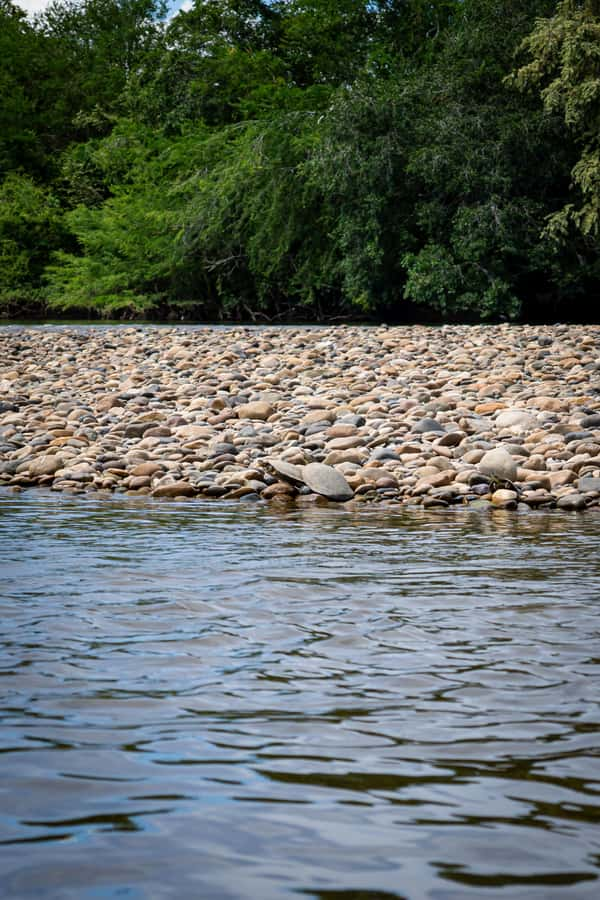
At Puerto Fluvial Malecon Ferri Motos, the tour shifts from town streets to the Magdalena River. A short boat cruise and guided wildlife viewing give you a different view of Huila. Turtles, exotic birds and river plants are the main attractions.
The following stop at Marina Playa adds roughly 30 minutes of walking and wildlife viewing. This part matters because it shows how much life exists around the desert. The river supports a setting that feels very different from the dry red soil later in the day.
Do not expect a long river expedition. The boat portion is brief, around 20 minutes, followed by another short visit. Its value is contrast: you see water, animals and thick plant growth before spending hours among cacti and eroded rock.
Cacti, reptiles and the nature reserve
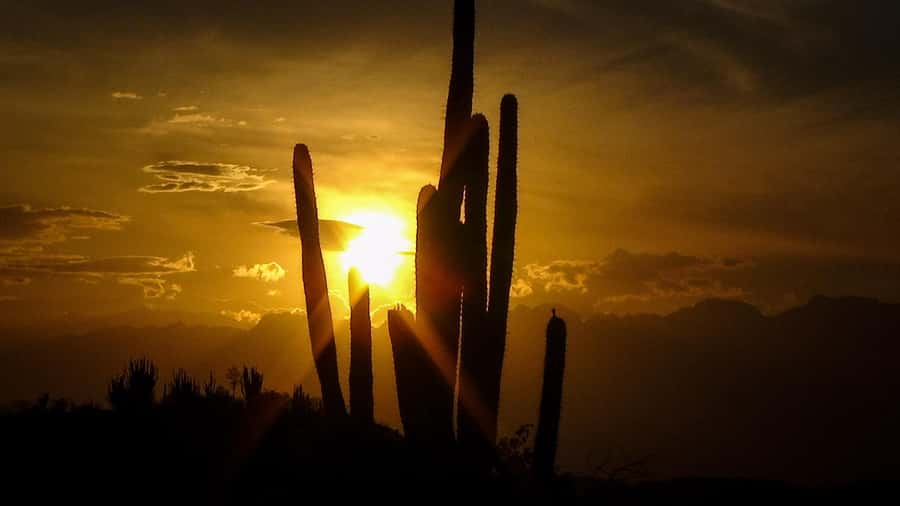
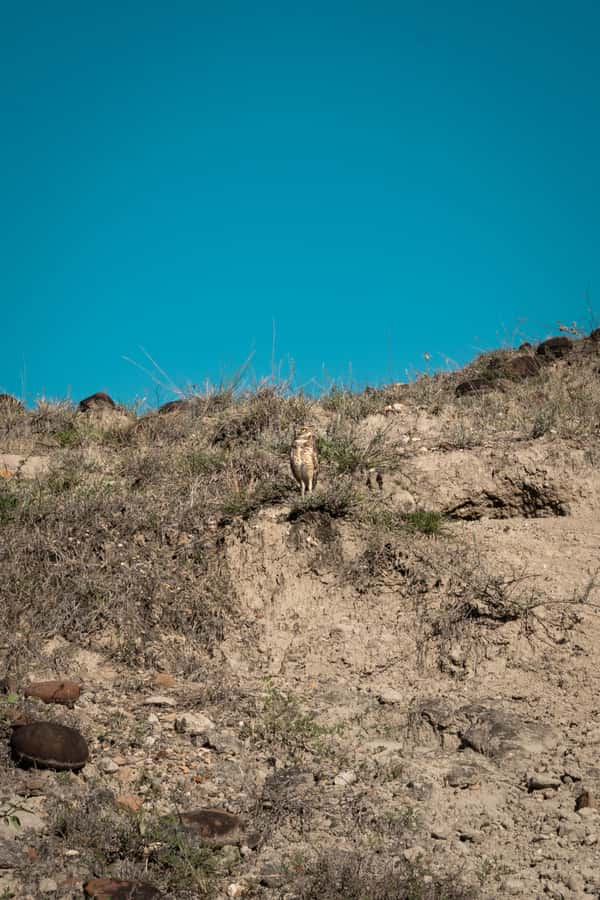
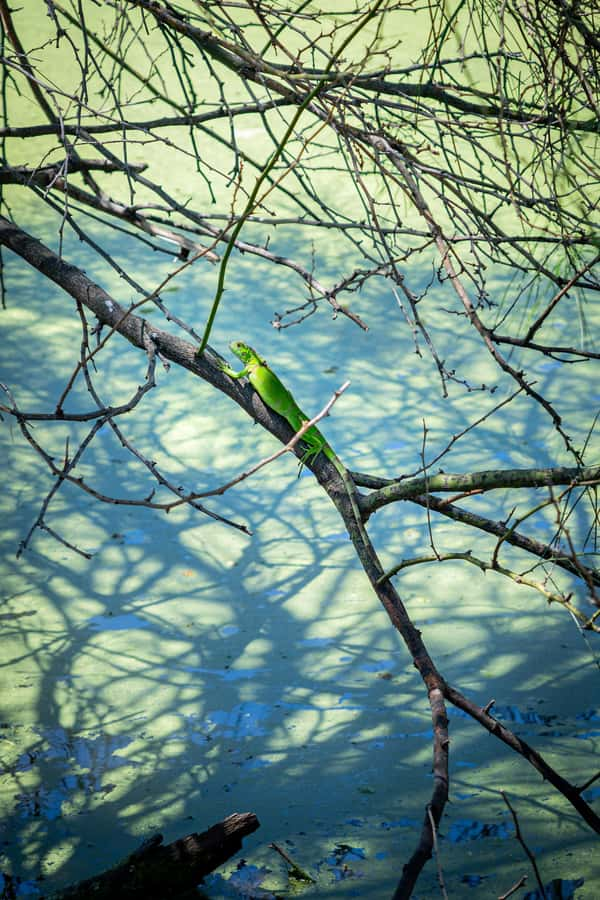
The route continues into the Backpackers Neiva nature reserve, where lakes provide habitat for reptiles and birds. You learn about local cacti, including their different forms and how they reproduce.
This is one of the better stops for anyone who wants more than photographs. A guide can explain why plants survive in such dry conditions and how the reserve supports species that you might miss while racing through the desert. The wildlife is not guaranteed on a precise schedule, so keep your eyes open and listen closely during the slower parts of the walk.
The walking is not described as technically difficult, but the day includes several hikes and long periods outdoors. Comfortable shoes are essential. Sunglasses, a sun hat, sunscreen and plenty of water belong in your day bag.
Same city, a different sort of day:
- Cartagena: Rosario Islands Catamaran with Lunch and Snorkel
★ 4.5 · 2,479 reviews - Bogota: Bicycle City Tour
★ 4.9 · 2,156 reviews - Medellín: Comuna 13 True Story and Street Food Tour
★ 4.9 · 1,779 reviews - Full-Day Rosario Islands Including Barú, Bocachica & Playa Blanca
★ 4.0 · 1,729 reviews
Walking through the Red Desert
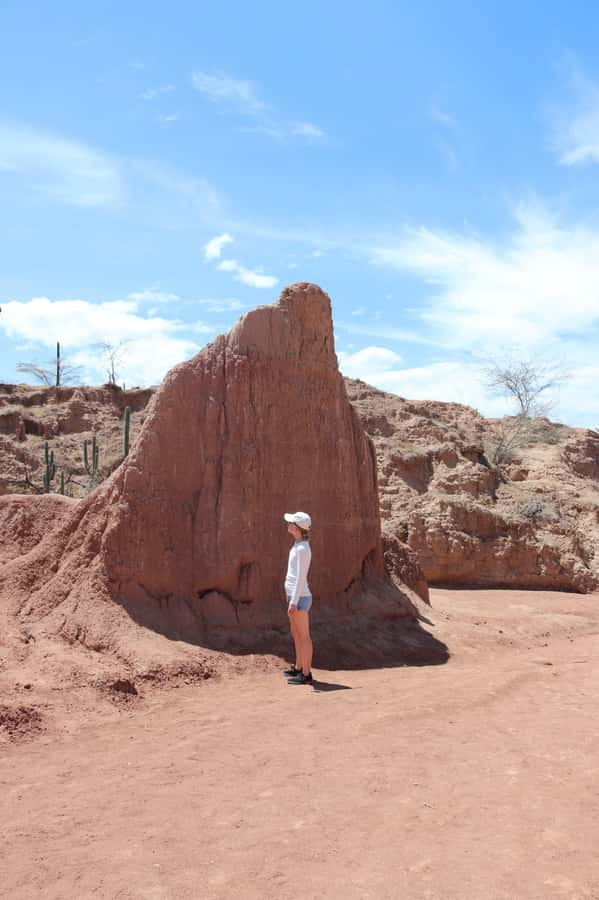
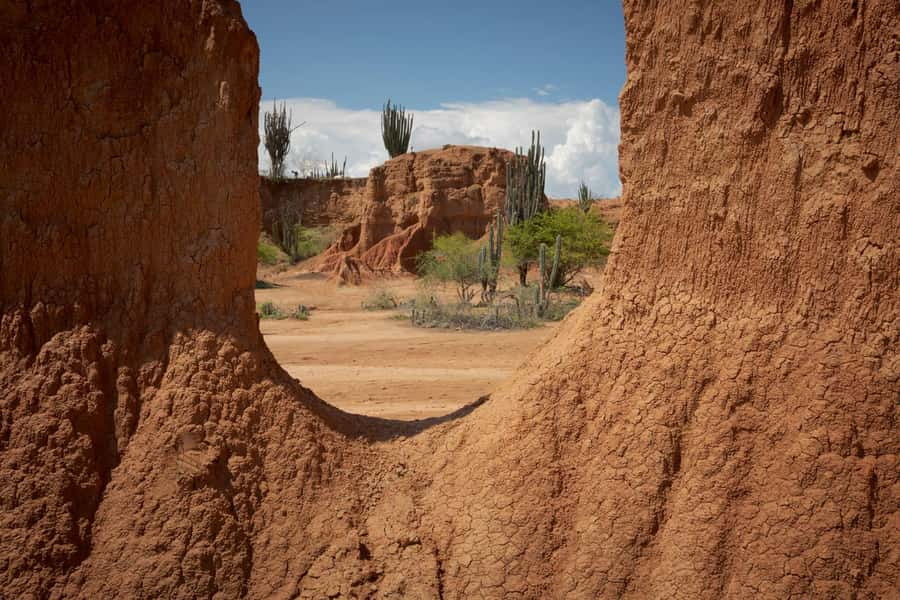
The Red Desert is the visual centerpiece. Iron in the soil gives the ground its warm red and orange color, while erosion shapes ridges and channels into unusual forms. The area also holds fossils, so the scenery has a scientific story as well as a photographic one.
The first desert walk lasts about 20 minutes in the Villavieja portion of the route, with later hiking at other sites. The short duration does not mean the heat is mild. One visitor found the first desert walk particularly punishing because it fell during the hottest part of the day. If you have any choice over the start time, an early morning departure would be more comfortable, though the listed schedule includes the observatory at sunset and into the evening.
The guide is important here. A quick walk can become a simple photo stop, while a good explanation helps you notice fossil material, soil color and the effects of erosion. The guide service is offered in English and Spanish, but you should confirm which language will be used at each specialist stop.
Xilópalos Valley, fossils and a community lunch
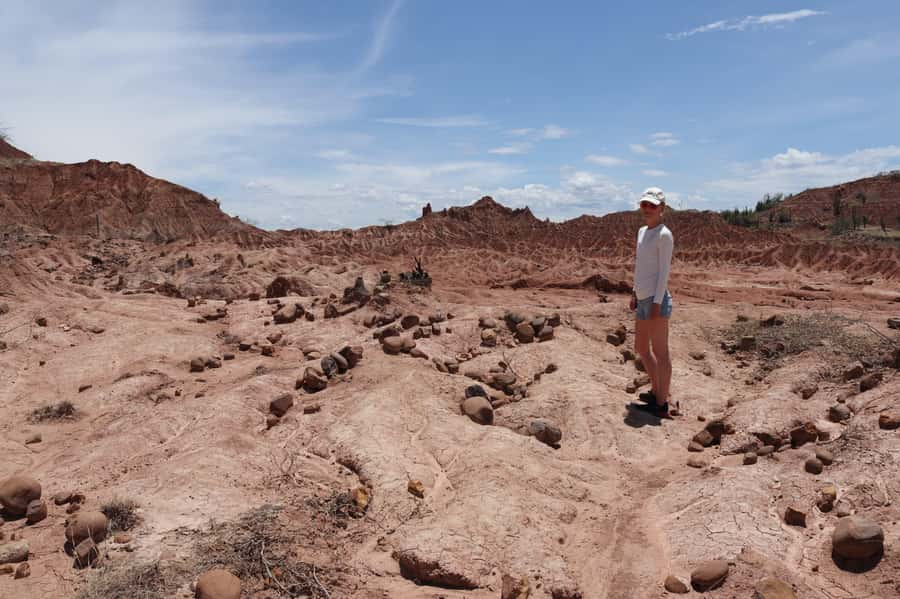
Xilópalos Valley brings together rock formations, canyons and fossils. You spend about 110 minutes walking and hiking with a guide, then have lunch and free time for another hour.
This is likely to be the most active part of the day. Wear shoes with a firm grip and expect exposure to sun. The valley’s appeal comes from its details: layers of rock, narrow cuts in the ground and traces of ancient life. Paleontology gives the place a sense of time that reaches far beyond the modern desert.
Lunch is regional and included in the price. It is best viewed as practical fuel for a long day rather than a special dining event. The meal received mixed praise, so if food is a major reason you book tours, keep expectations sensible. You may want to carry a small snack as well, while still following the operator’s rules about prohibited alcohol and drugs.
The community element adds value beyond the meal. You interact with local residents, learn about their traditions and contribute to local income. That makes this section feel more connected to Villavieja than a standard drive through scenic viewpoints.
Mineral pools and a useful pause
After the walking, the tour reaches Piscina Mineral. You have about 105 minutes for a break, a walk and swimming in the natural pools. The entrance fee is 10,000 Colombian pesos, paid separately.
This is a welcome change of pace. A 12-hour outing with several hikes needs a genuine rest period, and the pools give you a chance to cool down before the final viewpoints and observatory. Bring suitable swimwear if you plan to enter the water, along with cash for admission.
The pools are not included in the advertised price, so keep this fee in mind when comparing tours. The extra cost is small, but knowing about it ahead of time helps you avoid carrying too little cash.
More hiking before Las Ventanas Mirador
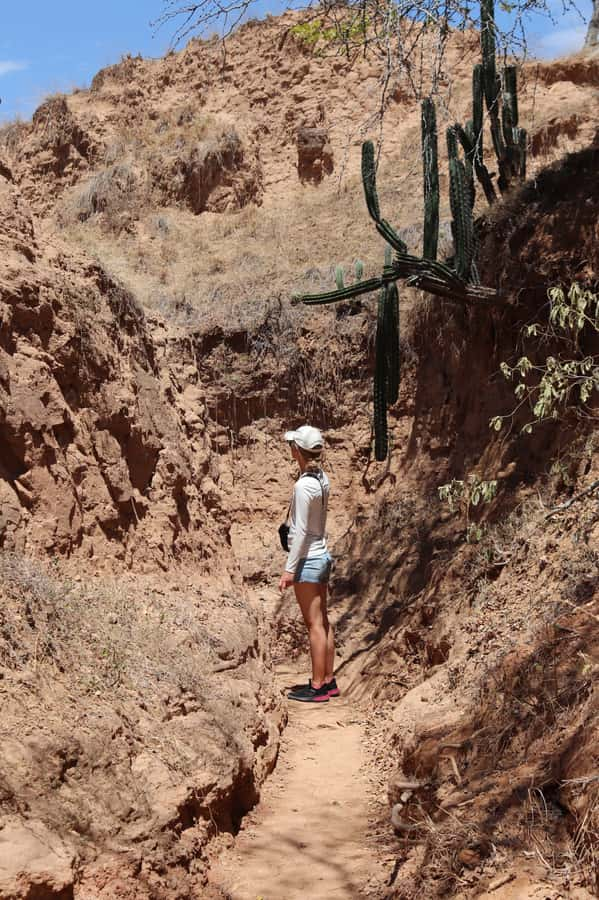
The next section, listed at 6RJJ+XF, includes another guided walk and hiking period of roughly 105 minutes. The schedule also allows some free time. This is a substantial block, not a quick roadside stop.
You should expect more dry terrain, rock and open views. The precise character of this point is less clearly described than the Red Desert or Xilópalos Valley, so ask your guide what formations and fossils you are seeing rather than treating it as just another photo stop.
Las Ventanas Mirador follows with around 45 minutes for a visit and scenic views along the way. This is a good place to slow down and take in the wider setting after the closer, more enclosed canyon walks. The viewpoint is also a practical transition toward sunset and the astronomy program.
Sunset and stars at Astrosur Observatory
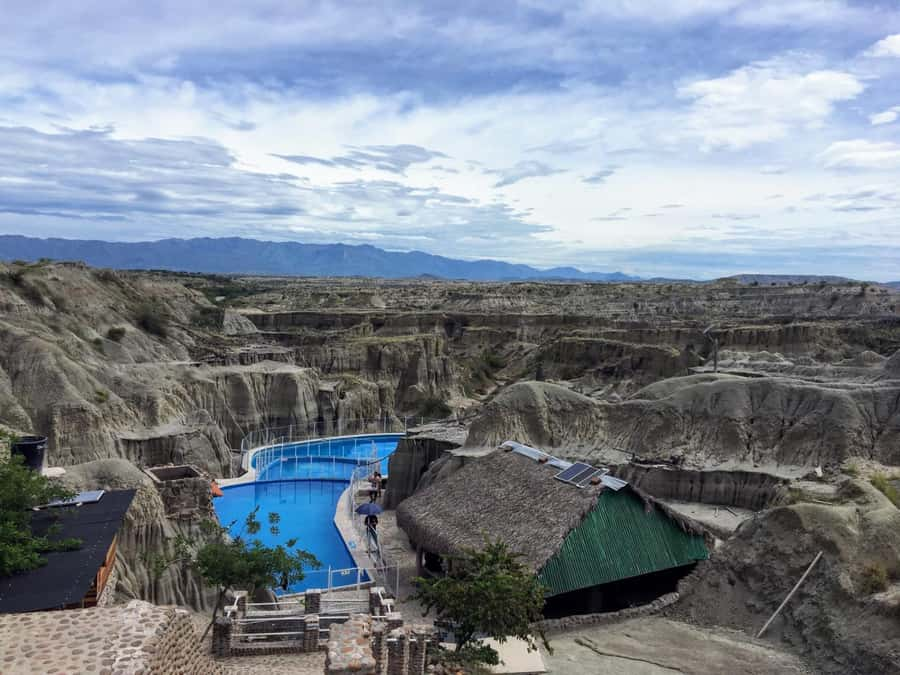
The final major stop is Astrosur Observatory, where you spend about two and a half hours with a guided astronomy program. The visit includes sunset and scenic views on the way, followed by an explanation of the night sky.
Tatacoa is well suited to astronomy because its dry conditions and open horizons can provide clear views. The observatory gives the day a strong finish, connecting the fossils beneath your feet with the planets and stars above you.
Language deserves special attention. The tour guide is bilingual, but the astronomy presentation may be conducted in Spanish. One visitor who expected more English found the stargazing difficult to follow. If your Spanish is limited, ask in advance whether the observatory portion can be provided in English or translated by your guide.
The observatory entrance costs another 10,000 Colombian pesos. Since this is one of the signature parts of the outing, I would normally consider the fee worthwhile, especially if you have never attended an astronomy program in a desert setting. Still, the value depends on your language needs and interest in guided sky viewing.
What the $64 price really covers
At $64 per person, the tour includes a lot of transport and activity in one day. Private transportation from Villavieja, a bilingual guide, lunch, and access to the Red Desert and Xilópalos Valley remove several costs and decisions that you would face when arranging the route yourself.
The private vehicle is useful because the stops are spread across the Villavieja area. You are not left to arrange separate rides between the river, desert sites, pools and observatory. The tour also saves you from having to build a schedule around sunset and the long return journey.
The price does not include transportation from Neiva, despite the experience being promoted in connection with Neiva pickup. Confirm your starting point before booking. Add 20,000 pesos for the pools and observatory, and carry extra cash for any personal purchases.
The best value comes if you want variety. If you only want a short Red Desert walk, this will feel long and possibly expensive. If you want wildlife, paleontology, community tourism, swimming and astronomy in one day, the price is easier to justify.
Who should book this experience
I would recommend this tour to active visitors staying in or near Villavieja who want a broad introduction to Tatacoa. It suits people who enjoy walking, natural history and cultural contact more than those seeking a relaxed sightseeing drive.
It is also a good choice if you prefer a fixed plan. The day includes transport, lunch, a guide and timed stops, so you do not need to negotiate each part locally. The private vehicle adds comfort during the long day, though it does not remove the need to walk in heat.
You should think twice if you have a mobility impairment, use a wheelchair, have a pre-existing medical condition or suffer from motion sickness. The route includes boat travel, hiking, swimming and many hours in outdoor conditions.
Free cancellation is available up to 24 hours before the activity for a full refund, and you can reserve now and pay later. Those terms help if your plans are still shifting, but they do not replace checking the pickup details and language arrangements before you commit.
Should you book the Tatacoa biodiversity tour?
Book it if you want Tatacoa in several forms: river habitat, desert plants, fossils, community life, mineral pools and stars. The strongest parts are the variety, the friendly bilingual guiding and the clear connection between nature, local income and regional history.
Skip it if you dislike long days, midday heat or walking on uneven ground. I would also confirm two points first: how you will reach Villavieja from Neiva, and whether the observatory session will be available in English. With those details settled, this is a well-rounded way to see far more than the famous red soil.
FAQ
Where does the tour begin?
The stated pickup point is Villavieja. Pickup is available from a hotel, hostel or Airbnb in the applicable area.
Is transportation from Neiva included?
No. Transportation from Neiva is not included. The included transport runs from Villavieja to the desert and back.
How long does the experience last?
The full experience lasts 12 hours.
What languages are available?
The live guide service is available in English and Spanish.
Is lunch included?
Yes. Regional lunch is included in the price.
Are the natural pools included?
No. Entry to the natural pools costs 10,000 Colombian pesos.
Is the observatory entrance included?
No. Entry to Astrosur Observatory costs 10,000 Colombian pesos.
What should I bring?
Bring comfortable shoes, sunglasses, a sun hat, sunscreen, water and cash.
Can I pay by card at the stops?
You should bring cash because cards are generally not used at the stops.
Is the tour suitable for wheelchair users?
No. The experience is not suitable for wheelchair users or people with mobility impairments. It is also not recommended for people with pre-existing medical conditions or motion sickness.
Just added in Colombia
- Zipaquira: 5 hrs Salt Cathedral Tour★ 4.4 · 9 reviews
- Exotic Yacht – Tour through the bay of Cartagena★ 3.7 · 4 reviews
- Zipaquirá: Private Salt Cathedral Mine and Walking Tour★ 4.8 · 3 reviews
- Zipaquirá: Private tour to the Salt Cathedral, Colombia’s first wonder★ 4.9 · 33 reviews
- Wonders of Salt: Colombia’s Underground Cathedral★ 5.0 · 18 reviews
- Zipaquirá Salt Cathedral & Andrés Carne de Res (Chía)★ 4.6 · 30 reviews
- Villavieja: Tatacoa Desert Horseback Riding Tour★ 5.0 · 3 reviews
- Volcan del Totumo + Playa + Piscina★ 4.7 · 4 reviews