
Reviewed · COMUNA 13 & GRAFFITI TOURS
Comuna 4 Walking Tour Medellin
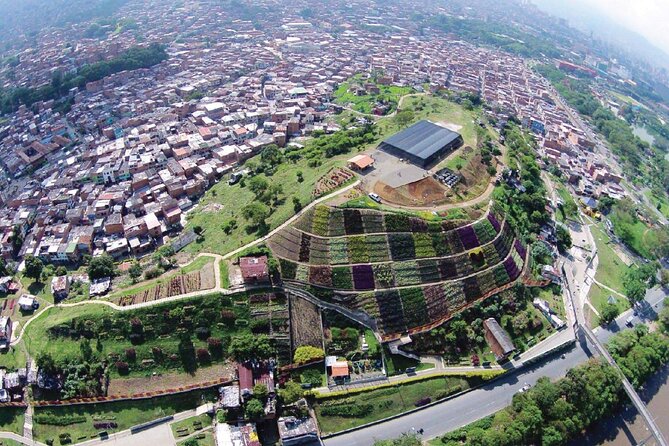
Medellín’s Comuna 4 tour takes you into Moravia, a neighborhood built on what was once the city’s garbage dump. This is not a polished mural walk. It is a close look at displacement, survival, and community action, told by guide Toto and local ambassador Gladys, one of the area’s first residents.
I like two things right away: the small group size keeps the walk personal, and Gladys adds lived experience that no textbook can provide. I also like the balance between hard subjects and ordinary neighborhood life, including football, street food, schools, gardens, and the cultural center.
The main consideration is that this is a serious, sometimes emotional tour. You will walk through an active neighborhood and hear about poverty, relocation, limited public services, and overcrowding. If you want only colorful walls and easy photo stops, Comuna 13 may suit you better.
Key points before you book
- Moravia grew from a garbage dump: Learn how an illegal settlement formed in the 1960s and how families made homes in difficult conditions.
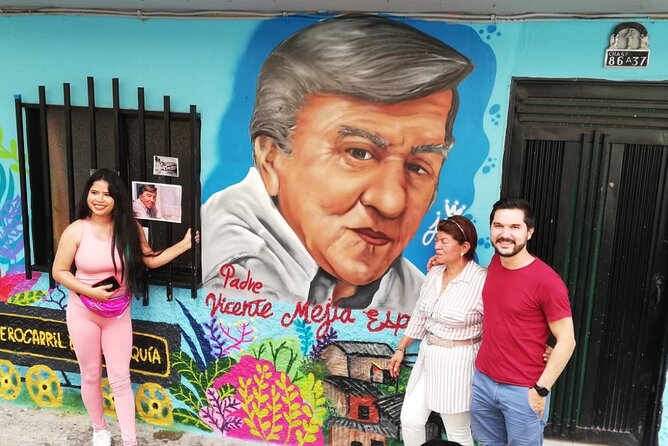
- Gladys brings personal memory: As one of the neighborhood’s first residents, she explains resistance and relocation from her own experience.
- The tour challenges Medellín’s success story: You hear both the official account of the city’s changes and the side often left out.
- You explore more than social problems: Stops cover health care, welfare, schools, education, football, street food, and local art.
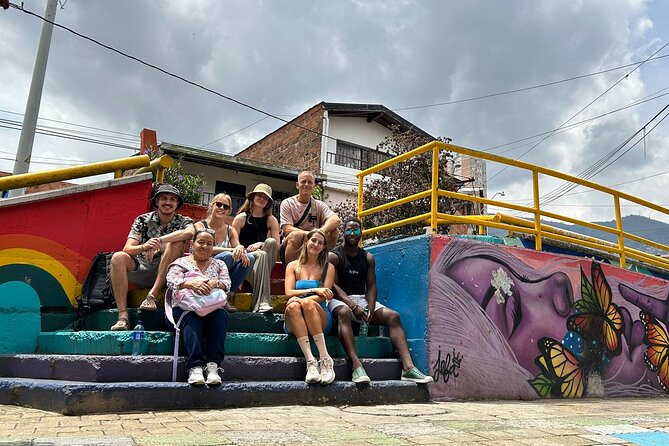
- Groups are capped at eight people: That matters when discussing sensitive subjects and asking questions.
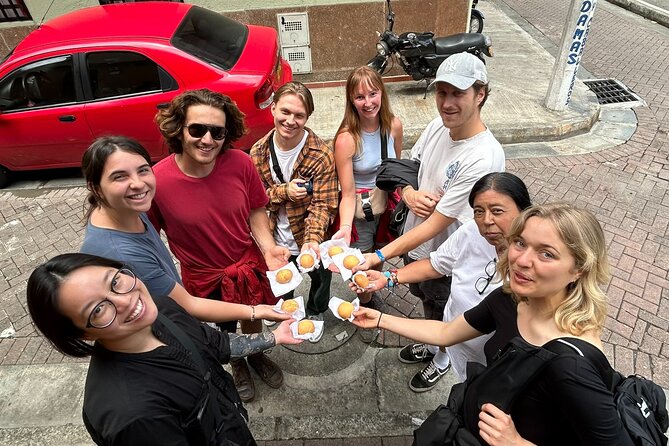
- A snack is included: The tour serves a small street empanada, described as one of the city’s tiniest and tastiest.
Why Moravia tells a different Medellín story
Medellín is often presented through its remarkable changes: improved public transport, public projects, art, and safer urban spaces. Those changes matter, but this walking tour asks you to slow down and look at who paid the price and who still has not received the full benefit.
Moravia began as an illegal neighborhood in the 1960s. Families settled beside and on a garbage dump, building lives in a place the city had not planned for housing. Over time, the district became home to many people, with its own streets, schools, businesses, football culture, and community groups.
That origin gives the tour its unusual force. You are not simply hearing about an old problem that disappeared. You are seeing a neighborhood that continues to face pressure, including a government relocation plan that many families have resisted for more than a decade.
Toto, the bilingual professional guide, provides the wider history and social context. Gladys adds the human scale. Her stories help you understand what it means to live through the neighborhood’s growth, its struggles, and its efforts to protect a future for local families.
The small group limit of eight is useful here. In a large crowd, difficult subjects can become a speech. With fewer people, you have more room to listen, ask questions, and notice the difference between a city policy and the way that policy feels on the ground.
More Comuna 13 and graffiti walks in Medellín
- Medellin: Comuna 13 Graffiti Tour, Cable Car & Street Food
★ 4.8 · 9,046 reviews - Medellín: Comuna 13 True Story and Street Food Tour
★ 4.9 · 1,779 reviews - Medellín: Comuna 13 District Tour with Cable Car Ride
★ 4.8 · 1,467 reviews
Starting at Metro Caribe and Morro de Moravia
The walk begins at Estación Metro Caribe. The first half hour sets up the story of Barrio Moravia, including its origins in the 1960s and one version of Medellín’s transformation.
The opening is important because it gives you a frame for everything that follows. You learn how an informal settlement formed, why people came to live there, and how the city later approached the neighborhood. This is not a quick introduction before the main event. It prepares you to understand the social questions raised at every later stop.
At Morro de Moravia, the focus turns to La Resistencia de Moravia. Here, the tour presents the part of the city’s transformation that is less often placed in the spotlight. You learn why hundreds of families have resisted relocation and how the official plan has affected the community.
This stop may be the most confronting part of the walk. It deals with homes, identity, and the right to remain in a place that families helped build. You should come ready to listen rather than expect a simple good-news story.
The walk is conducted in an inhabited neighborhood, not a museum. That gives the experience its value, but it also means you should show ordinary courtesy. Listen carefully, avoid treating people’s homes as photo props, and remember that the setting is someone’s daily life.
Health care, street work, and the welfare system
At Centro de Salud Moravia El Bosque, the group pauses to discuss Colombia’s health care and welfare system. The subject may sound technical, but the guide connects it to what you see on the streets.
The tour explores why there are so many street vendors and why a large part of the population does not have access to the welfare system, despite its existence. That connection is helpful. Instead of treating street selling as a colorful local detail, you look at the economic pressures behind it.
This is one of the tour’s strongest features: it links public policy to ordinary scenes. A vendor, a clinic, or a crowded street can seem like a separate subject when you walk alone. Here, each becomes part of a larger conversation about work, access, and public support.
You sit for part of this discussion, which is welcome during a 3.5-hour walk. The tour is not nonstop pavement and narration. It alternates between walking, looking, and stopping for conversation.
Football, schools, and the everyday Moravia
At Cigarrería La Plaquita, the tour pauses for about ten minutes to look at graffiti devoted to Medellín’s major football clubs. Football here is more than a game on television. The guide explains its place in Colombian society and the cultural meaning attached to local teams.
This short stop gives the tour a lighter change of pace without losing its purpose. After hearing about government policy and relocation, you see how identity is also built through sport, neighborhood loyalty, and shared symbols.
The group then sits beneath the trees in front of Fundación Oasis Urbano. The discussion turns to education and Colombia’s strata system. This is another useful stop because it deals with a system you may notice throughout the country but not fully understand.
The subject is not presented as an abstract ranking. It helps explain how social and economic differences are organized and how they shape access to education and services. Since the tour already has a local setting in view, the conversation feels tied to actual lives rather than detached from the street.
At E.I. Fe y Alegría, the walk includes a small street empanada. It is a modest snack, not a full meal, but it fits the tour well. You get to try a local food while continuing through the neighborhood, and the stop adds a simple, everyday pleasure to a serious afternoon.
More guided walks in Medellín
- Medellin Historic Walking Tour
★ 4.9 · 86 reviews - 2-Hours Street Art Walking Tour in Medellin Comuna 13
★ 5.0 · 54 reviews - Arvi Park Walking tour and city views from Metrocable.
★ 4.6 · 13 reviews - Cartagena: Historic Center and Getsemaní Shared Walking Tour
★ 4.9 · 2,716 reviews
Meeting a local voice at the football pitch
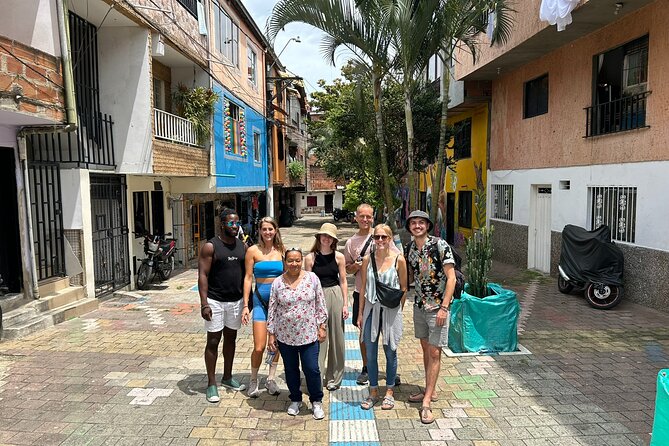
At the Moravian synthetic pitch, you see the neighborhood’s football field and meet or hear more from the local ambassador. The focus is her story of resilience, resistance, and hope.
This stop helps balance the earlier discussion of displacement. Moravia is not only a place shaped by hardship. It is also a place where people organize, play, teach, raise families, and create spaces for the next generation.
The football pitch is a useful setting because it shows community life in action. You are not just told that residents have built a strong local identity. You see one of the places where that identity is expressed.
The personal element matters. Gladys has been described as one of the first residents, and her presence gives the tour an unusual connection to the neighborhood’s past. Her story sits beside Toto’s broader explanation, so you get both the public context and the personal memory.
Expect the tone to remain respectful rather than theatrical. The emotional effect comes from the subject itself and from hearing how people have continued to work for their community, not from staged drama.
Finishing at the Moravia Cultural Center
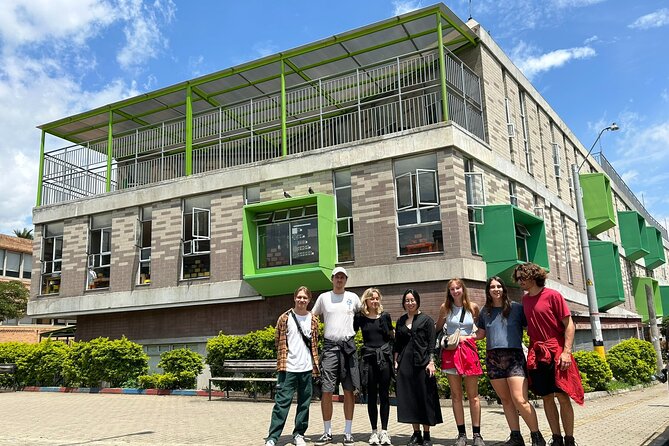
The final major stop is the Moravia Cultural Center. With the community ambassador, you learn how local people helped build such an important piece of infrastructure.
This is a fitting finish because it brings the story back to collective action. The neighborhood is not defined only by what happened to it. Residents have also helped create places for culture, learning, and shared use.
By this point, the cultural center means more than a building. It represents the question running through the whole walk: who gets to shape a neighborhood’s future? The earlier stops show the pressure placed on Moravia. This one shows what local effort can produce.
The tour returns to the starting point. In total, allow about three hours and thirty minutes, although the time is approximate. The route includes several pauses, and the mix of walking and seated discussion makes the length manageable for most people.
What the $35 price really buys
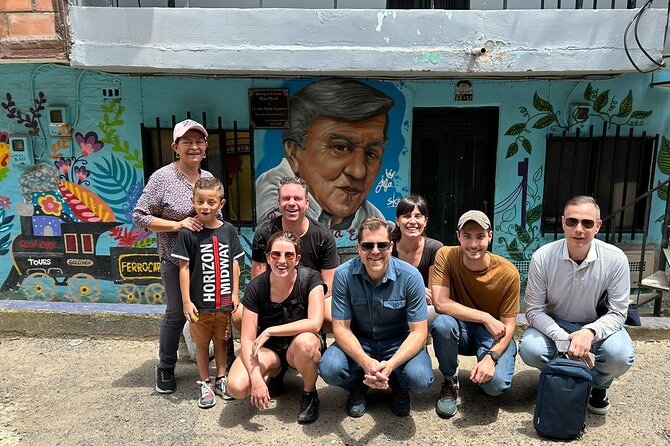
At $35 per person, this is not the cheapest way to spend an afternoon in Medellín. You are not paying for major admission tickets, since the stops are free. The value lies in access, interpretation, and the local connection.
Your fee covers a professional bilingual guide, a local community leader, and a snack. More important, it supports a small-format experience built around neighborhood voices rather than a quick pass through a famous attraction.
I would judge the price by the questions you want answered. If you want photos, polished public art, and a fast introduction to Medellín, another tour may offer more visible attractions. If you want to understand how a community was formed, why relocation remains contested, and how public systems affect daily life, $35 is a fair price.
The group limit strengthens that value. Eight people is small enough for direct questions and personal conversation. It also means the experience may sell out, so it is commonly booked well ahead of the date, with an average booking time of about 19 days in advance.
Hotel pickup and drop-off are not included. You meet at the stated starting point on Avenida Regional near Calle 78 in Castilla, at Barrio Transformation Tour, and return there at the end. The meeting point is near public transportation, and the tour confirmation is provided when you book.
Who will appreciate this walk most
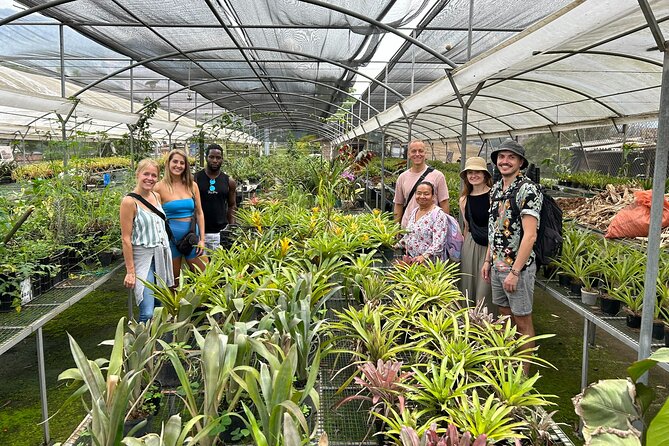
I would recommend this tour to you if you want a grounded view of Medellín and are willing to hear about difficult subjects. It suits people interested in urban change, public services, education, migration, community organizing, and local culture.
It is also a good choice if you have already seen Medellín’s more polished tourist areas and want another side of the city. Several people specifically preferred its local focus to a more touristic Comuna 13 experience.
You should be comfortable walking for several hours, standing at some stops, and listening to discussions that may be emotionally heavy. The information says most people can participate, and service animals are allowed, but no hotel transfer is provided.
Families and visitors with limited time should think about the tone before booking. This is not designed as a light entertainment outing. Children who can engage with social topics may learn a lot, but the experience is not built around games or simple sightseeing.
The tour is also a good fit for solo visitors. A small group and two guides make it easier to follow the conversation and ask questions. Couples and friends who want to understand Medellín beyond its familiar tourist images will likely find plenty to discuss afterward.
Practical details that shape the experience
Wear comfortable walking shoes and bring water, even though the walk includes shaded pauses and a snack. The exact route and pace can vary, but the published duration is about three hours and thirty minutes.
Plan your day around the full time rather than trying to squeeze in another appointment immediately afterward. The subjects invite questions, and rushing away would work against the point of the walk.
The experience is offered in a maximum group of eight. A professional bilingual guide leads the tour with a local community leader, and the activity begins and ends at the same meeting point.
Free cancellation is available if you cancel at least 24 hours before the local start time. Changes or cancellations made inside that 24-hour window are not accepted for a refund.
Should you book the Comuna 4 walking tour?
Book it if you want a serious, local account of Medellín’s transformation, especially one that includes voices from Moravia itself. Toto’s explanations, Gladys’s personal connection to the neighborhood, the discussion of relocation, and the visit to the cultural center give the walk a clear purpose.
Skip it if your ideal afternoon is a short, colorful photo tour with little discussion of poverty or public policy. This experience asks for attention and empathy, but it rewards you with a fuller picture of the city.
For $35, I think it offers strong value for curious visitors who want to understand the people behind Medellín’s urban changes. The tiny empanada is a pleasant extra. The real reason to book is the chance to walk through Moravia with people who can explain not just what you see, but why it matters.
FAQ
Where does the Comuna 4 walking tour start?
It starts at Barrio Transformation Tour on Avenida Regional near Calle 78, in Castilla, Medellín.
Where does the tour end?
The activity ends back at the meeting point.
How long does the tour last?
The tour lasts approximately three hours and thirty minutes.
How much does the tour cost?
The price is $35 per person.
How many people can join the tour?
The group is limited to a maximum of eight people.
Who leads the experience?
A professional bilingual guide leads the walk with a local community leader. The local ambassador Gladys is identified as one of Moravia’s first residents, and Toto is named as the guide.
Is food included?
Yes. A snack is included, consisting of a small street empanada during the walk.
Are hotel pickup and drop-off included?
No. You must make your own way to the meeting point, and no hotel transfer is included.
Is the tour near public transportation?
Yes. The meeting point is listed as being near public transportation.
Can I cancel for a full refund?
Yes, if you cancel at least 24 hours before the experience’s start time. Cancellations or changes made less than 24 hours before the start are not accepted for a refund.
Just added in Medellín
- Medellín: Botanical Garden and Arvi Park City Tour★ 4.7 · 11 reviews
- Bello: Paragliding in Medellín★ 4.8 · 39 reviews
- Birding Medellin with expert bird-watcher (Private)★ 5.0 · 17 reviews
- Extreme XL ATV Adventure in Guarne★ 4.9 · 5 reviews
- Comuna 4 – Moravia Tour★ 5.0 · 3 reviews
- Medellin: Coffee Farm and Barista Workshop Experience★ 4.4 · 9 reviews
- Arvi Park Walking tour and city views from Metrocable.★ 4.6 · 13 reviews
- 4-Hour Medellin, Envigado & Sabaneta Three County Tour★ 4.3 · 7 reviews
Comuna 13 & Graffiti Tours, compared.
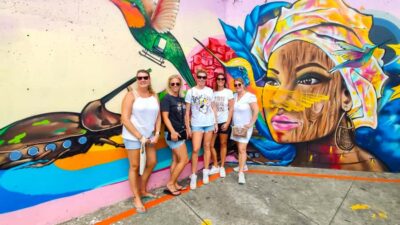
Comuna 13 Graffiti Tour, Cable Car & Street Food
Read our review →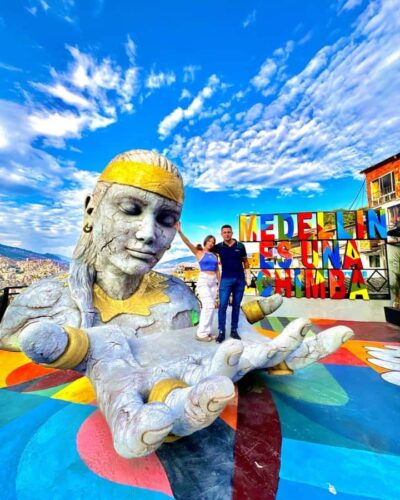
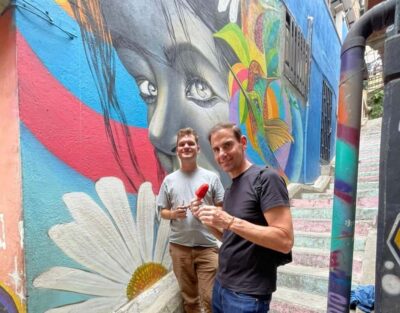
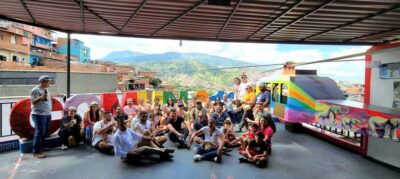
Private City Tour with Metrocable and Comuna 13
Read our review →
Comuna 13 Tour with Snacks And Your Own Graffiti
Read our review →
Comuna 13 and Graffiti Guided Tour with a Local
Read our review →
Browse the lists this tour appears in