
Reviewed · COLOMBIAN WALKING TOURS
Afro Walking Tour. The colors of Cali.
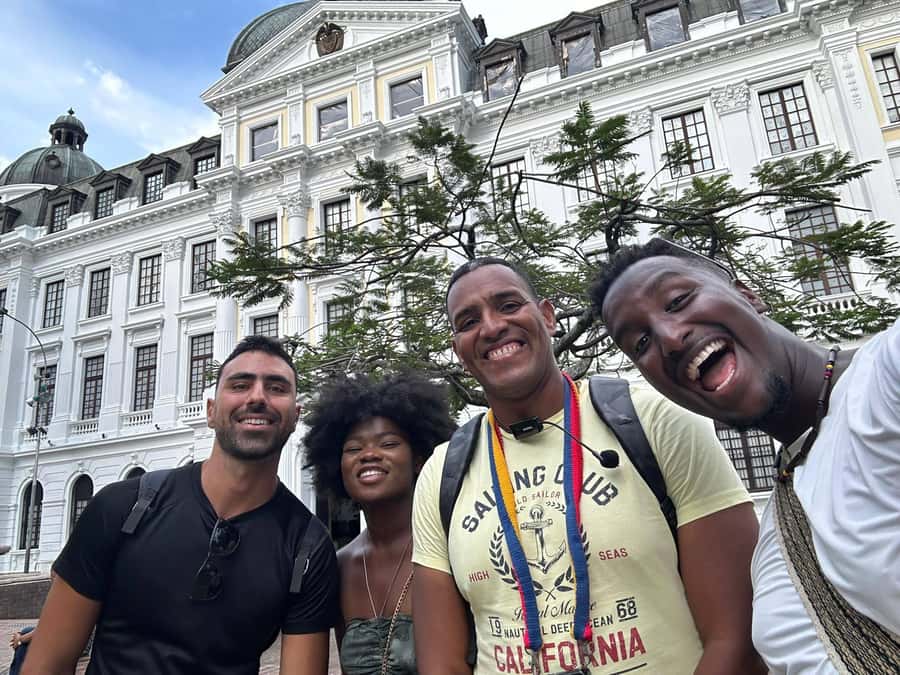
Cali’s Afro Walking Tour is less a checklist of sights than a guided conversation about African heritage in urban Colombia. Andrés Jiménez leads you through the city center and an Afro-Colombian neighborhood, linking murals, music, food, dance, businesses, and cultural centers to the people who keep Cali’s traditions alive.
I like two things right away: the tour gives real attention to Afro-Colombian voices, and it takes you beyond the obvious postcard stops. You’ll also taste local food and visit three cultural institutions. The main consideration is pace: 150 minutes on foot, through busy central streets, is not ideal for anyone seeking a quiet or purely historical walk.
Key points
- Andrés Jiménez leads a personal, bilingual tour in English or Spanish, with plenty of room for questions and conversation.
- The route combines central Cali with an Afro-Colombian neighborhood, showing both familiar sights and everyday city life.
- Murals become history lessons, not just colorful photo stops.
- Food, music, dance, and salsa turn the subject into something you can see, hear, taste, and discuss.
- Three cultural institutions add useful context about education, art, community work, and cultural preservation.
- The $42 price is fair for a small-scale, guide-led experience that includes food and access to places you may not find alone.
Why Cali needs this kind of walking tour
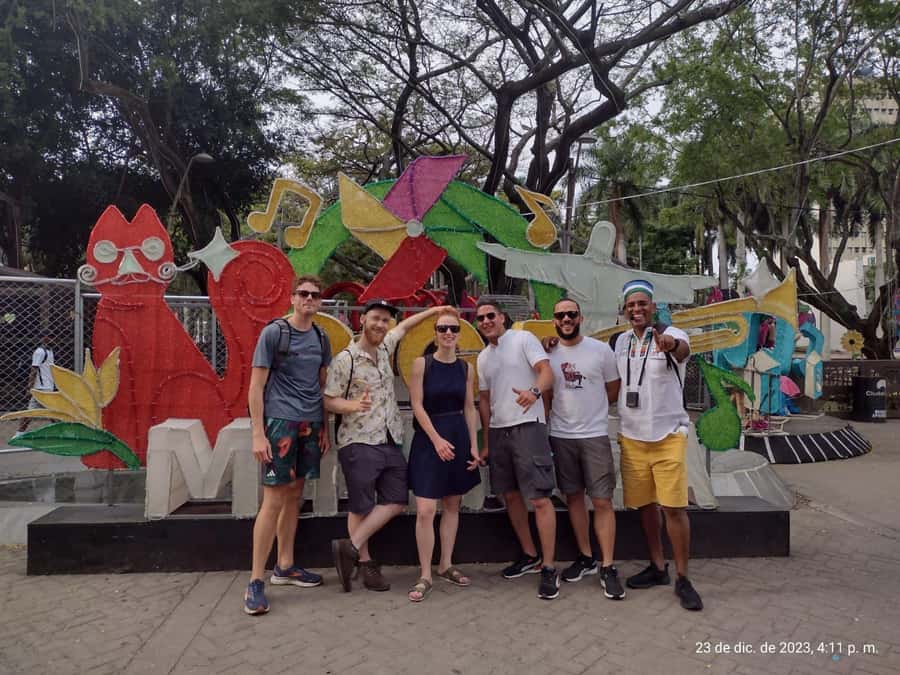
Cali is often introduced through salsa. That is fair, but incomplete. The city’s music and dance are tied to African, Indigenous, and Spanish influences, and the Afro Walking Tour gives those connections a central place.
You’ll hear about the arrival of African culture, the era of enslavement, emancipation, the role of Afro-Colombian and Indigenous communities, and the continuing questions of race, power, work, and representation. This is not a detached lecture. Andrés uses the streets, shops, murals, and community spaces around you to explain how culture appears in daily life.
That approach matters. A standard city walk might point out a church, plaza, or grand building and give you a date. Here, you may also learn who uses the surrounding streets, how communities preserve their traditions, and why a painted wall carries meaning beyond its colors.
I especially like that the tour does not treat Afro-Colombian culture as a decorative side note. It presents African influence as part of Cali’s central identity, from food and beauty products to music, political life, and neighborhood businesses.
More guided walks in Cali
- The Cali Street Food Walking Tour
★ 5.0 · 81 reviews - Cali: Walking tour of the historic center
★ 5.0 · 69 reviews - Cali: Walking tour of the historic center
★ 4.9 · 18 reviews
Meeting Andrés in the heart of Cali
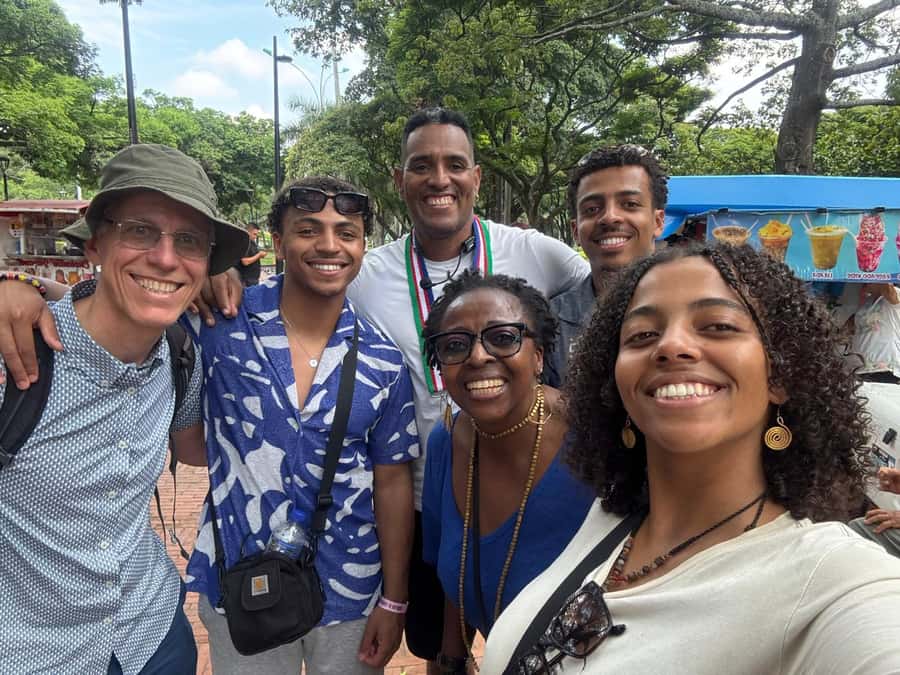
The meeting point is in front of a Subway sandwich restaurant. That is easy to identify, but you should still arrive ready for a city walk rather than a bus tour. Wear comfortable shoes and clothes, carry water and sunglasses, and bring a camera if street art interests you.
Andrés guides in both English and Spanish. His style is interactive, so you will not simply listen while he recites prepared facts. He asks questions, invites your perspective, and connects the discussion to your own background when appropriate. That can make the experience feel personal, but it also means you should be ready to participate.
His English is described as strong, and the tour is suitable for people who want to practice Spanish comprehension while still having clear explanations in English. If you prefer to remain silent in a group, this may feel more demanding than a conventional audio-style walk.
The meeting point is in central Cali, and the tour moves through public streets. You may encounter vendors, beggars, and many different kinds of city life. The activity information is direct about this: take it normally. In other words, this is not a polished theme park version of Cali. You are seeing a working city.
Murals that explain more than color
Street art is one of the strongest parts of this experience. You will see murals in the central area and in an Afro-Colombian neighborhood to the east, with Andrés explaining the people, events, symbols, and ideas behind them.
I like this stop because murals can be easy to admire and easy to misunderstand. A good guide gives you the missing layer. The image may speak about African identity, resistance, memory, music, local pride, or the future of the community. The paint becomes a way to discuss questions that are harder to see in a formal museum.
The neighborhood murals also help you notice the difference between public art made for local residents and art made mainly for visitors. You may see everyday businesses, community activity, and signs of how people live alongside the artwork. That setting gives the tour more weight than a quick photo stop in a designated arts district.
Bring your camera, but do not rush from wall to wall. The value here is in the explanation. If you only want a collection of colorful photographs, you can find shorter street-art walks. If you want the stories behind the images, this tour offers more.
Three cultural institutions and the work of preserving identity
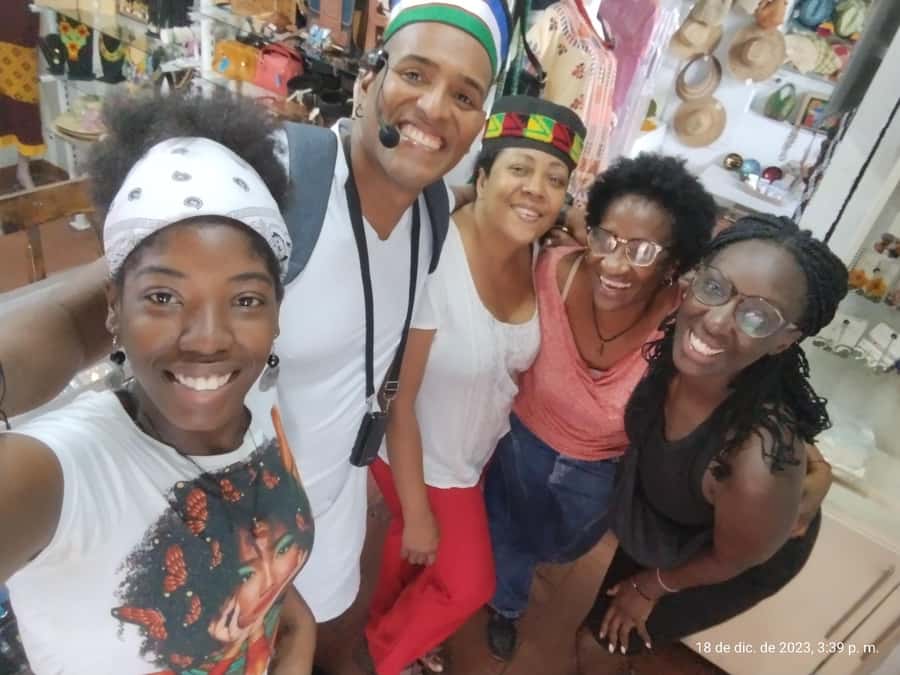
The tour includes visits to three institutions of cultural interest. The exact sequence can vary, but these stops add structure to a walk that might otherwise focus only on street scenes and food.
You may encounter cultural centers that offer music, practical skills, arts programs, or education across generations. These places show culture as something people practice and teach, not simply something placed behind glass.
This is also where the tour broadens beyond music. You can learn about community resources, social issues, local leadership, and efforts to support Afro-descendant people. One useful feature is the chance to see how cultural work connects with everyday needs.
For me, this is an important part of the $42 value. You are not paying only for two and a half hours of commentary. You are paying for interpretation at places that can be difficult to understand without local context, along with introductions to parts of Cali that many first-time visitors might miss.
The institutions may be most rewarding for people who want to understand present-day Cali, not only its past. The tour considers where Afro-Colombian culture is going, how it is maintained, and how young people and local organizations take part.
A few more trips around Cali worth a look
- Shared Tour Cali’s Historical Downtown
★ 4.8 · 143 reviews - Historical Shared Tour Salsa, Graffiti & Resistance in Cali
★ 5.0 · 107 reviews - San Cipriano Rainforest – River, Waterfalls and Adventure Day
★ 5.0 · 73 reviews - Cali: Street Food Tour
★ 4.8 · 71 reviews
Food, beauty products, and local businesses
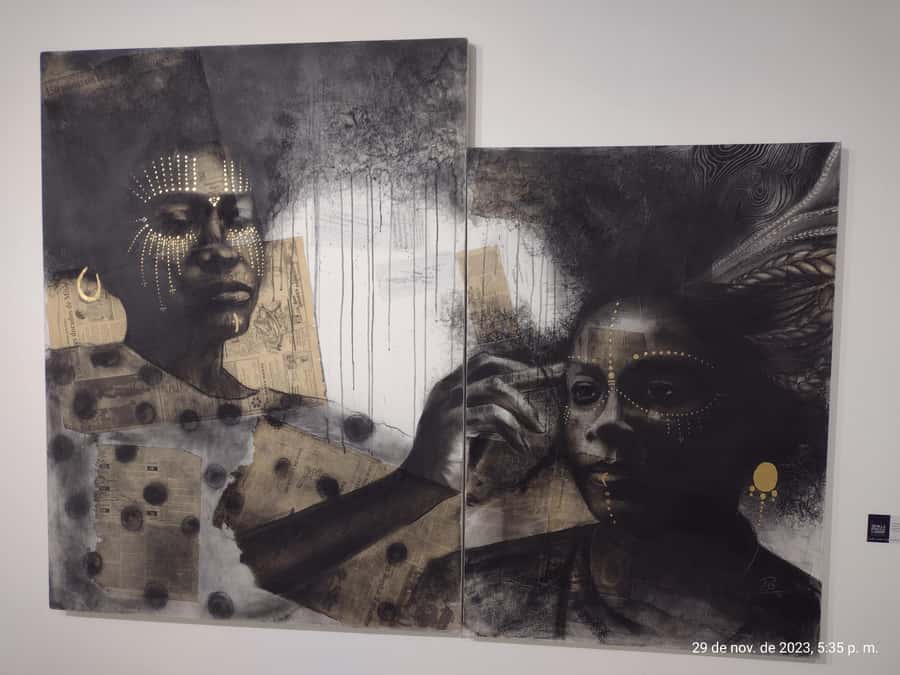
Food provides one of the tour’s most memorable connections to culture. You will taste local Afro-Colombian food among the cultural sights, with stops at vendors or small businesses along the way. The exact items are not specified, so do not book expecting one particular dish.
The food is more than a snack included for convenience. It gives you a direct way to discuss the meeting of African, Indigenous, and Spanish traditions in Colombian cooking. Andrés also introduces local beverages and delicacies, according to the route described by past participants.
The walk can include black-owned businesses and shops selling products made for Afro-descendant customers. That may include hair-care products, lotions, accessories, and other personal items. This is a useful reminder that culture is not only found in festivals or museums. It also appears in the products people make, sell, and use.
Carry cash. It is listed among the recommended items, and small food purchases or products from local businesses may require it. You should also tell Andrés about dietary concerns before the tasting if you have them, since no specific menu is provided.
The snack is a nice bonus, but I would not choose this tour as a food tour alone. The food supports the cultural story. If you want a long meal or a detailed cooking class, choose a different experience.
Salsa, rhythm, and the many sounds of Cali
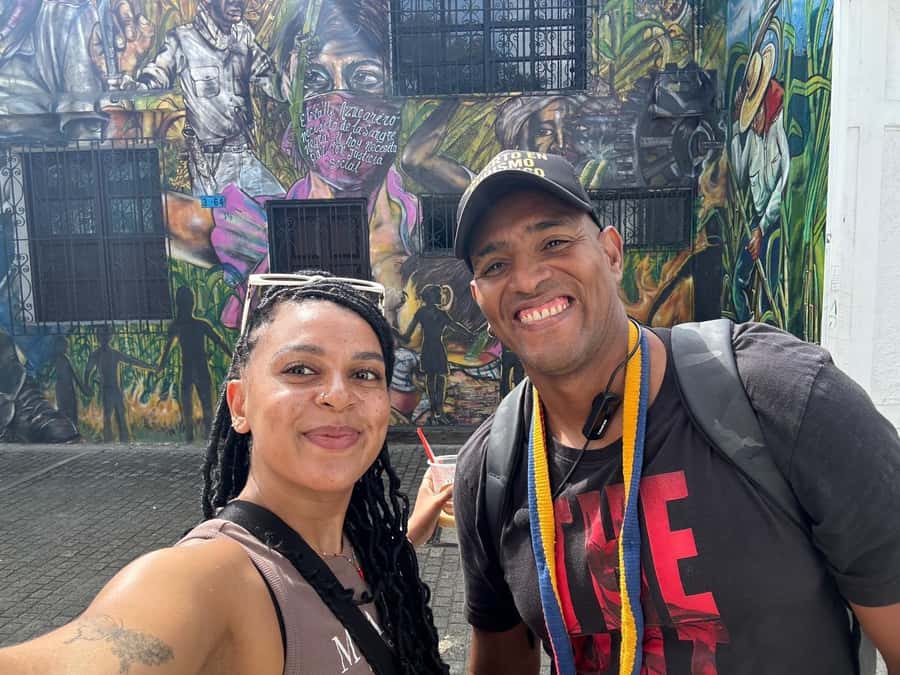
Cali is known as the world capital of salsa, and this tour explains why that reputation is connected to Afro-Colombian culture. You will learn about music and dance as part of the city’s identity, not as entertainment added after the historical portion.
A mini salsa lesson may be part of the experience. It is a welcome change of pace after discussion of enslavement, emancipation, law, and community life. You do not need to arrive as a dancer. The point is to feel how movement and rhythm function in Cali.
The music discussion also helps you understand why salsa is not simply imported Latin dance music. The tour looks at African influence and the way different communities shaped the city’s sound and social life. That context can change how you hear salsa later, especially if you visit a club or see a performance during your stay.
I like the balance between serious subjects and active moments. The tour does not turn difficult history into a solemn lecture for the whole afternoon, but it also does not use dancing to avoid hard topics.
The value of seeing everyday Cali
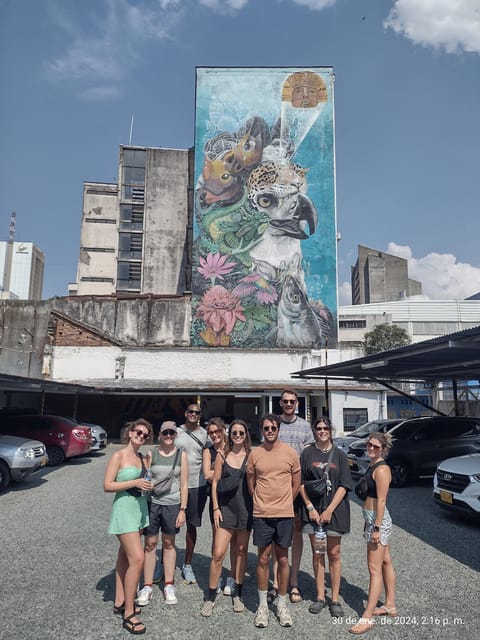
Several parts of the walk take you away from the best-known tourist stops. You will still see familiar central attractions, but the route also includes neighborhood businesses, street vendors, public art, and places where people live and work.
That mix is useful because Cali can be misunderstood if you stay only in its polished center. A guide can point out what is ordinary to residents but easy for an outsider to overlook. You may notice the way people greet Andrés, the types of stores serving the community, or the difference between a cultural center and a sightseeing monument.
The tour is also frank about the presence of street vendors and people asking for money. This can be uncomfortable, but it is part of moving through a major city. Keep your belongings secure, pay attention to your surroundings, and follow the guide’s lead. The activity is wheelchair accessible, though a walking route through central streets can still feel tiring or uneven depending on the exact path.
Children under 10 are not accepted. The tour is also listed as unsuitable for hearing-impaired people, likely because so much of the experience depends on spoken explanation and open conversation.
How Andrés guides the conversation
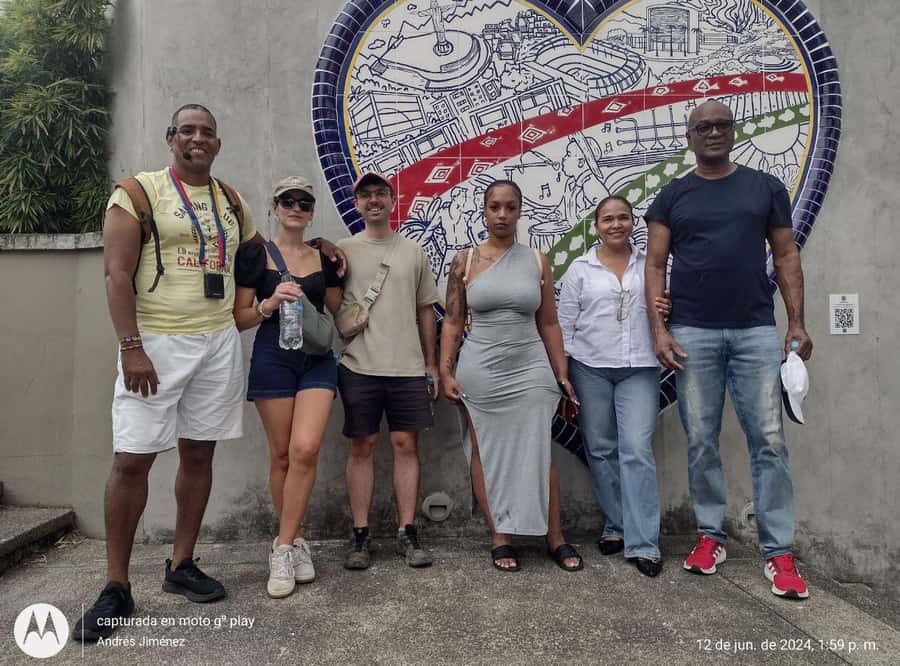
Andrés is the main reason this tour feels different from a standard city walk. He brings enthusiasm, but the useful part is his willingness to discuss difficult subjects directly. The tour can cover race in Colombia and across the African diaspora, Indigenous and Afro-Colombian experiences, enslavement, emancipation, military history, and modern social issues.
He also pays attention to the people in front of him. If you share your background, he may use it to build a connection with Cali’s story. This personal approach has made the tour meaningful for visitors from many countries, including people of Afro-descendant heritage who want to compare experiences across the diaspora.
You should expect conversation rather than a one-way speech. Ask questions. If you are curious about the murals, food, music, or city neighborhoods, speak up. The format is strongest when you take part.
The tour is available in English and Spanish, but it is not suitable for hearing-impaired participants according to the activity information. Alcohol and drugs are not allowed.
Is $42 a good price for 150 minutes?
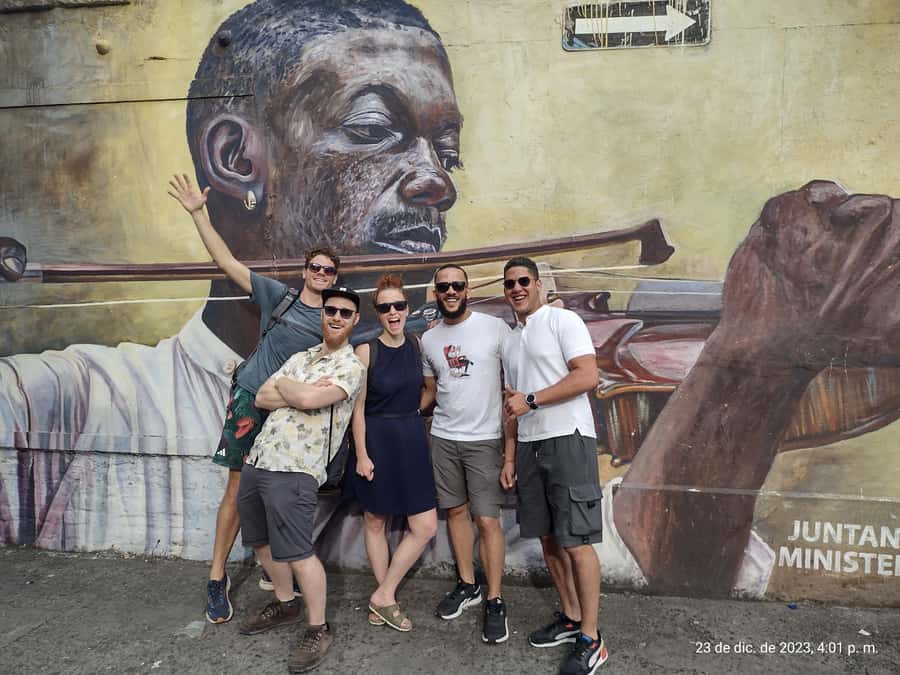
At $42 per person, this is not the cheapest way to walk around Cali. Free walks and simple orientation tours can cost less, and you could visit some central sights without a guide.
Still, the comparison is not quite fair. This experience includes a bilingual certified guide, cultural interpretation, food tasting, visits to three cultural institutions, street art, neighborhood exploration, and an introduction to salsa and Afro-Colombian traditions. You are paying for access to meaning and connections, not just distance walked.
I consider the price reasonable for visitors who value local context and direct conversation. It is especially good value early in your stay, since Andrés can suggest restaurants, shops, cultural activities, and other things to do in Cali.
The price is less attractive if you want a relaxed stroll with few stops, a formal museum tour, or a dedicated salsa lesson. This is a broad cultural experience. Its strength is the range of subjects, not expert-level instruction in one narrow field.
Free cancellation up to 24 hours before the start and the option to reserve now and pay later make booking easier if your schedule is still changing.
Who should book the Colors of Cali walk?
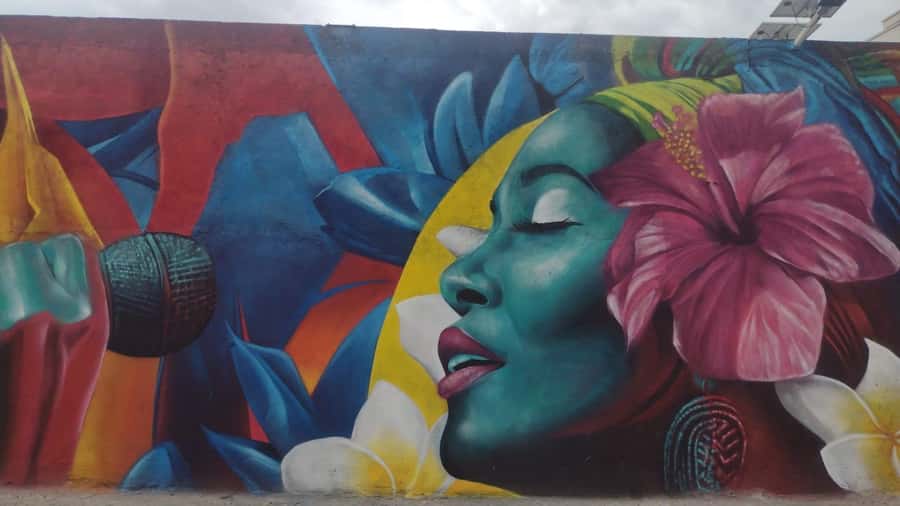
I would choose this tour if you want to understand Cali through Afro-Colombian history and present-day life, especially if you enjoy asking questions and trying local food.
It suits:
- First-time visitors who want more than the usual central sights
- People interested in African diaspora history, race, and cultural identity
- Anyone drawn to murals, music, dance, food, and neighborhood businesses
- Visitors who want a bilingual guide in English or Spanish
- Solo visitors and couples who prefer a personal, conversation-led experience
- People considering a longer stay or relocation to Cali and wanting a quick sense of the city
I would think twice if you dislike walking through busy public areas, do not want to discuss difficult history, or prefer a quiet, tightly scripted tour. The route includes ordinary city life, not only attractive stops.
Should you book this Cali walking tour?
Yes, if your goal is to understand why African culture is so important to Cali. Andrés Jiménez brings together murals, food, salsa, cultural institutions, community businesses, and serious historical subjects in 150 minutes.
The best reason to book is not one single stop. It is the way the pieces connect. You may begin by looking at a mural, taste a local snack, hear about enslavement and emancipation, visit a cultural center, and finish with a better sense of why music and dance matter here.
Book it early in your Cali visit if you want local suggestions for the rest of your stay. Bring comfortable shoes, water, cash, and curiosity. If you are ready to participate rather than simply follow a guide with a flag, this is a thoughtful and unusually personal way to meet the city.
FAQ
How long does the Afro Walking Tour last?
The tour lasts 150 minutes, or two and a half hours. Starting times depend on availability.
How much does the tour cost?
The price is $42 per person.
Where does the tour meet?
The meeting point is in front of the Subway sandwich restaurant.
Is the tour available in English?
Yes. The tour is offered in English and Spanish, and the guide is Andrés Jiménez.
What does the tour include?
It includes a walking tour about Afro-Colombian culture and Cali, a taste of local Afro-Colombian food, visits to three institutions of cultural interest, and discussion of Cali’s music, dance, history, and city life.
What should I bring?
Bring comfortable shoes, sunglasses, a camera, water, comfortable clothes, and cash.
Is the tour wheelchair accessible?
Yes, the activity is listed as wheelchair accessible. It is not suitable for children under 10 or for hearing-impaired people.
Just added in Cali
- Cali: TRES CRUCES – Cali’s most popular hike and monument★ 4.9 · 19 reviews
- Cali: Walking tour of the historic center★ 4.9 · 18 reviews
- From Cali: Whale Watching Day Trip in Buenaventura★ 4.6 · 3 reviews
- Cali: Two hours walking Cali City discovery tour★ 5.0 · 3 reviews
- Cali: Tour of Waterfall in Pance River – Chorrera del Indio★ 4.9 · 34 reviews
- Cali: Pico de Loro Trekking Adventure – Farallones de Cali★ 5.0 · 4 reviews
- Cali: Three hours walking Cali City discovery tour★ 4.7 · 3 reviews
- Cali: Fruit Market Walking Tour with Tastings★ 4.6 · 7 reviews
Colombian Walking Tours, compared.
Historic Center and Getsemaní Shared Walking Tour
Read our review →

A Pearl In The Caribbean-walking tour in English
Read our review →
Browse the lists this tour appears in