
Reviewed · COFFEE FARM TOURS
Coffee Tasting Experience in Cali
Colombian coffee becomes much more interesting when you stop treating it as a morning drink and start asking how it was grown, processed, roasted, and brewed. This 2.5-hour experience in central Cali takes you through that full journey, with three coffees to taste and a hands-on roasting session at a small family-run factory.
I like the small-group format, which gives Pablo Andres Zambrano Mora and his wife room to adjust the conversation to your questions. I also like the practical finish: you roast a sample yourself and take it home, rather than leaving with only a pleasant memory and a caffeine buzz.
The main consideration is the price, $64 per person, which is more than a simple coffee tasting. It makes the most sense if you want personal instruction, cultural context, and a small workshop rather than a quick cup and a few facts.
Key Points Before You Book
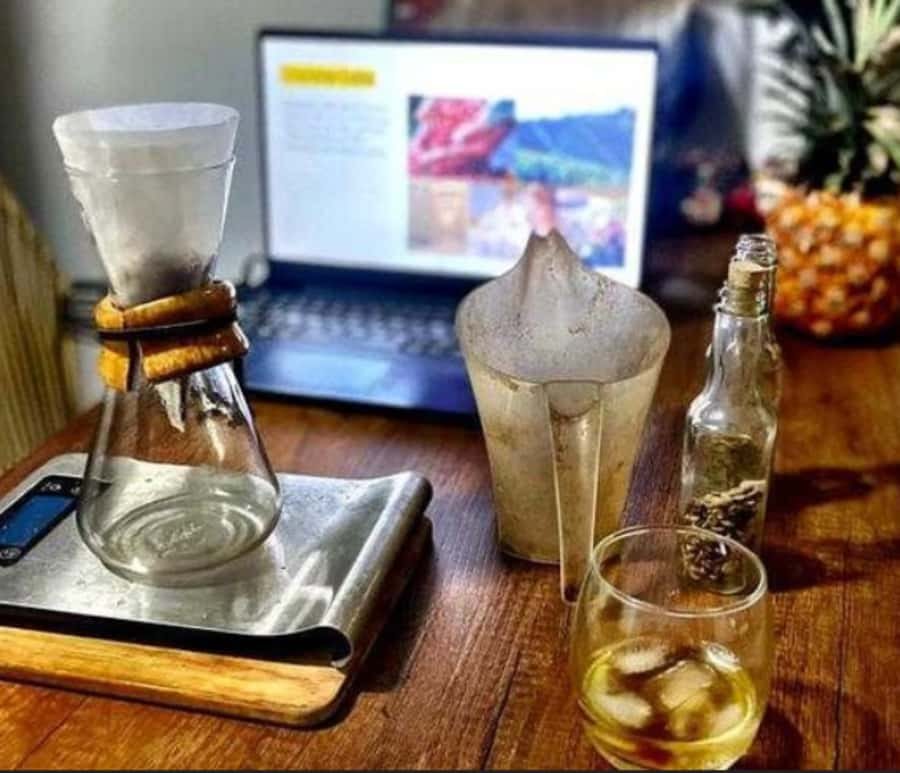
- Three Colombian coffees, three brewing methods: You taste the differences instead of hearing only a lecture about them.
- Your own roasted sample: You use traditional techniques and take the finished coffee home.
- A family-run coffee setting: The experience takes place at a small factory connected with Pablo’s family coffee farm.
- Near Alameda Market: The central location is one block from the local market and close to many hotels and attractions.
- More than coffee: Pablo’s sessions can include music, dance, Colombian history, Latin American culture, and snack pairings.
- Best for ages 15 and up: The activity is in English, private or small-group, and wheelchair accessible.
A Coffee Experience One Block From Alameda Market
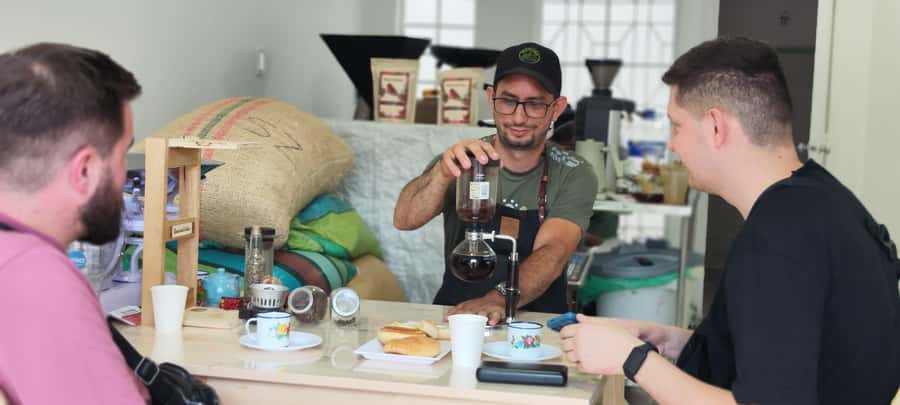
The setting helps this activity feel different from a standard plantation excursion. You do not head far outside Cali to walk through coffee fields. Instead, you meet in a central spot near most hotels and attractions, at a small coffee factory close to Alameda Market.
That location is useful if your time in Cali is limited. You can fit the experience into a day of exploring the city, and the nearby market gives you a chance to continue the local food experience afterward. The activity itself is indoors at the factory, so you are focusing on coffee rather than on a rural farm visit.
Pablo Andres Zambrano Mora leads the experience, with help from his wife. His family owns a coffee farm, and the beans are processed through stages such as hulling, grading, roasting, and packaging at the factory. That family connection gives the session a clear link between the bean and the person preparing it for your cup.
Do not expect a large commercial plant with rows of industrial equipment and a fixed script. The appeal is the smaller scale. You get a close look at coffee as an artisanal product, with time to ask why one bean tastes different from another and how roasting changes the result.
More coffee farm days from Cali
- Medellin: Coffee Tour with Transport, Snacks and Tastings
★ 4.7 · 1,357 reviews - Medellín Coffee Farm Tour with Trolley and Cable Car Ride
★ 4.9 · 277 reviews - Coffee Tour at the Finca del Café
★ 5.0 · 213 reviews
Starting With Coffee Culture and the Bean’s Journey
The session begins with a cup of coffee and an introduction to the basics. This opening matters because it gives you a framework for the tasting that follows. Instead of hearing isolated terms about aroma, roasting, or brewing, you start to see how each stage affects the final drink.
You learn about coffee culture and the journey of a coffee bean. The discussion reaches beyond Colombia’s famous coffee reputation and places the drink in a wider setting. Pablo has also brought in stories about Cali, Colombia, Latin America, music, and local customs, so the talk can feel like a cultural conversation rather than a technical class.
That extra context is one of the strongest parts of the experience for me. Coffee is not only an agricultural product. It is part of daily life, social habits, work, trade, and hospitality. The conversation helps explain why Colombian coffee matters to the people who grow, prepare, and drink it.
You should also expect the tone to be personal. This is not presented as a formal lecture with a distant instructor. The private or small-group structure lets you ask basic questions without feeling out of place. That is especially useful if you enjoy coffee but have never learned the difference between a light and heavy roast, or if you want to understand the language used by coffee professionals.
Tasting Three Coffees in Different Ways
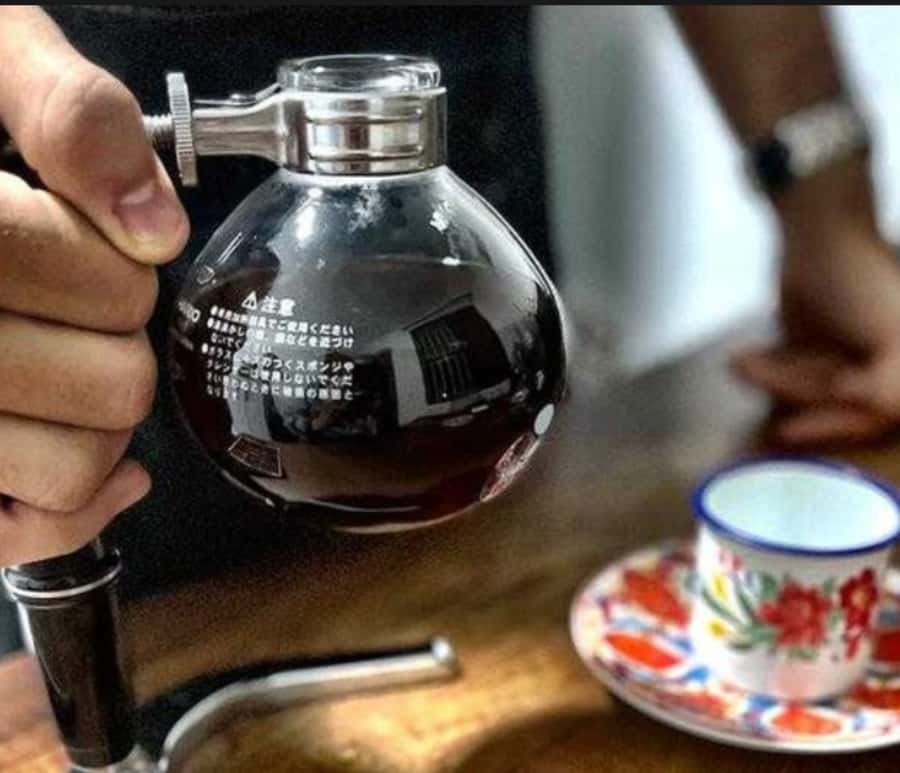
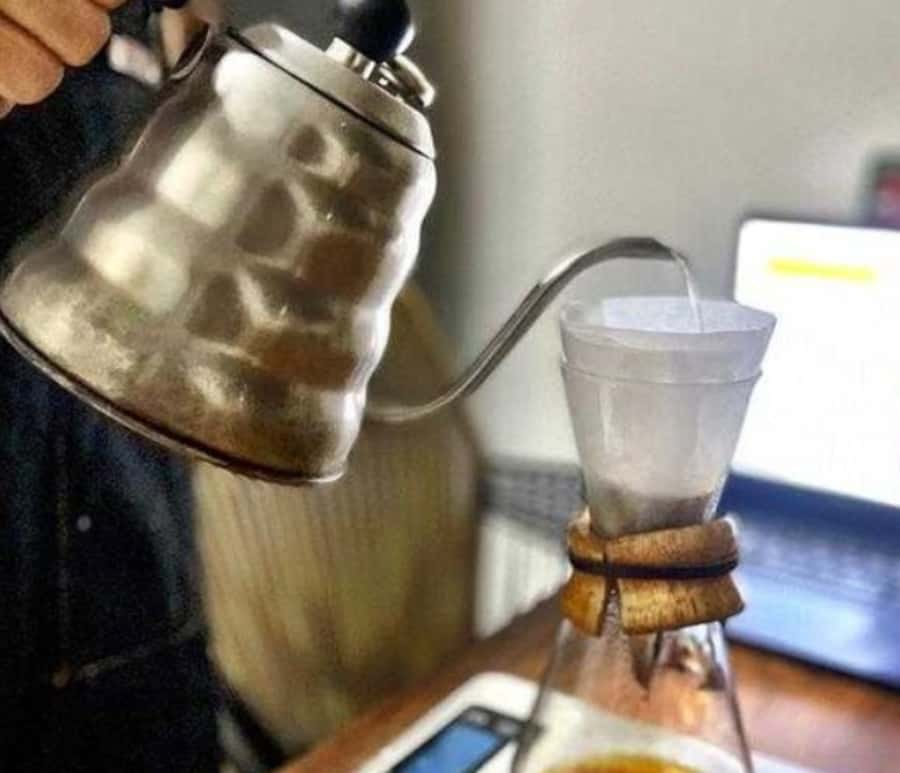
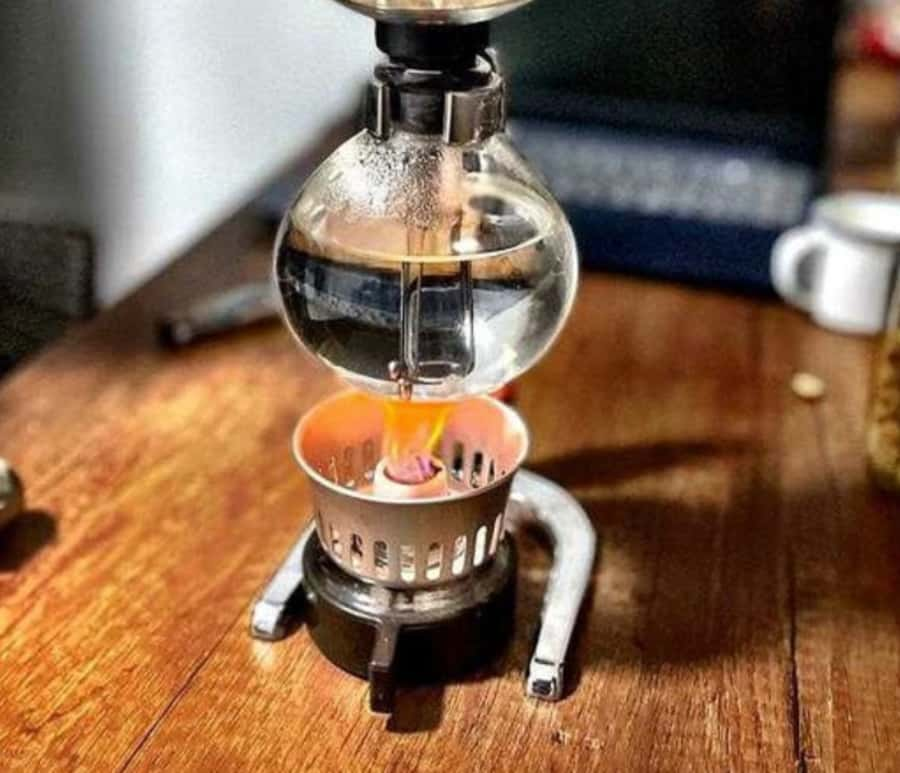
The tasting is the heart of the experience. You try three different Colombian coffees, each brewed using a different method. The point is not simply to decide which one tastes best. You learn to notice how brewing changes the cup and how your own preferences affect what you enjoy.
You are guided through tasting in a more deliberate way than you might use at breakfast. You may pay attention to the smell, flavor, body, and finish, then compare one coffee with the next. The instruction is aimed at helping you recognize what you personally like, rather than telling you there is one correct answer.
That approach is valuable. Coffee tasting can easily become a parade of difficult terms that makes beginners feel left out. Here, the focus is on understanding your own palate. If you prefer a smoother, stronger, brighter, or more subtle cup, you get a better sense of why.
The three brewing methods also make the differences easier to notice. Even when the beans are all Colombian, the preparation can change the balance of flavors. This is a useful lesson to carry into the rest of your trip, especially if you plan to order coffee in cafes or buy beans to take home.
The pace is another advantage. With 150 minutes for the full activity, the tasting does not need to be rushed. You have time to discuss each coffee, compare impressions, and ask questions between samples.
A small note for planning: the experience may include snack pairings, which add another way to compare flavors. This is a thoughtful touch, though exact snack choices are not specified, so you should not book it expecting a full meal.
Roasting Your Own Sample With Traditional Methods
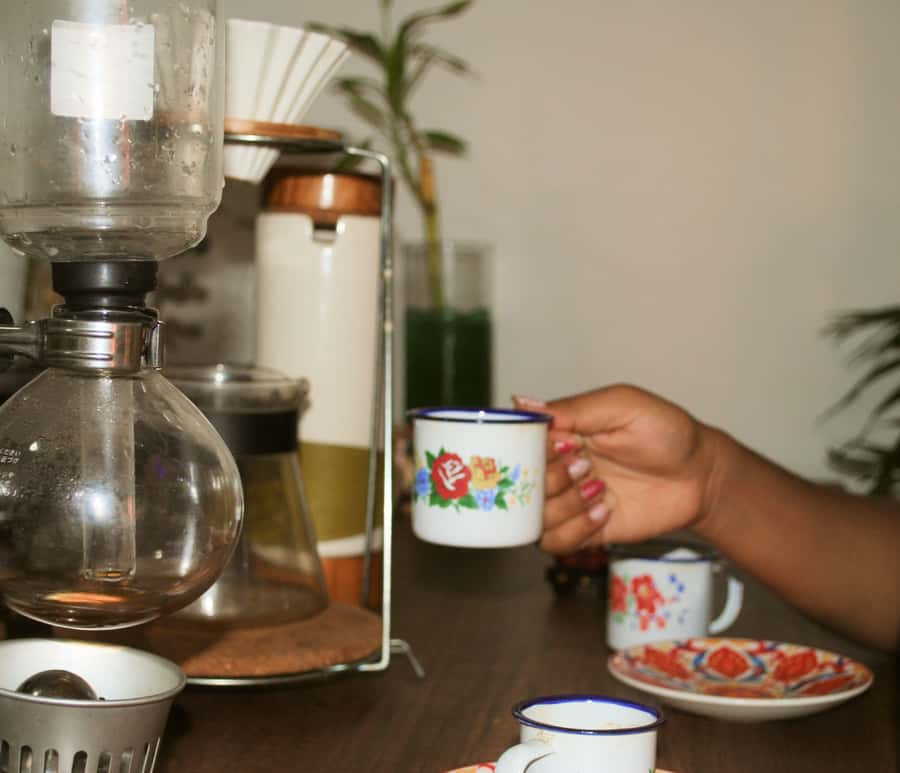
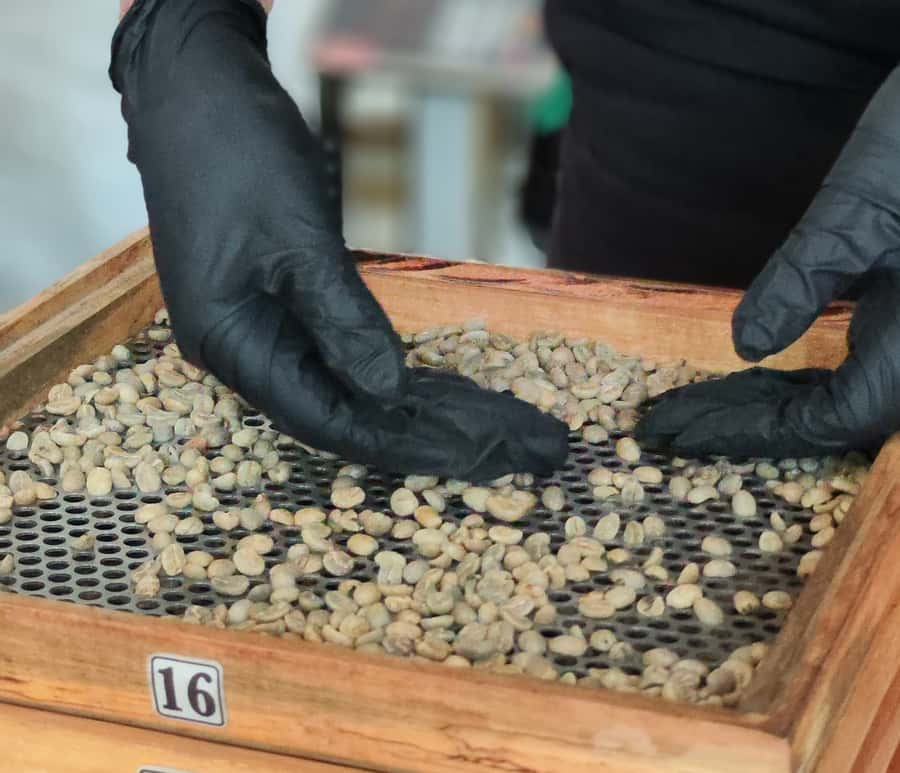
After tasting, you roast your own coffee sample. This hands-on part gives the activity a clear purpose. You are not simply watching Pablo prepare coffee while you stand nearby. You take part in one of the key steps that changes green beans into the roasted coffee you recognize.
The methods are traditional, though the precise equipment and roasting time are not specified. That means you should expect an educational workshop rather than a professional roasting certification. The value is in seeing and handling the process, noticing how the beans change, and understanding that roast level affects the final flavor.
Roasting also connects the earlier discussion to something physical. You have tasted finished coffee, heard about the bean’s journey, and now take part in preparing a sample yourself. That sequence makes the process easier to remember.
The finished sample is yours to take home. It is a simple but worthwhile souvenir because it carries your own participation. You can also use it as a reminder of the tasting lesson when you prepare coffee later.
Do not assume the sample is a large bag of coffee. The information describes it as a coffee sample, and the size is not stated. Think of it as a personal takeaway from a workshop, not as the main financial return on your booking.
A few more trips around Cali worth a look
- Medellin: Coffee Tour and Wellness Spa
★ 4.8 · 209 reviews - Salento: Private Cocora Valley, Salento & Coffee Farm Tour
★ 4.9 · 202 reviews - Medellin: Coffee Tour with Hotel Transfers and Meals
★ 4.9 · 186 reviews - Medellin: Horseback Riding Coffee Farm Tour with Coffee Spa
★ 4.8 · 151 reviews
Why the Cultural Conversation Adds Value
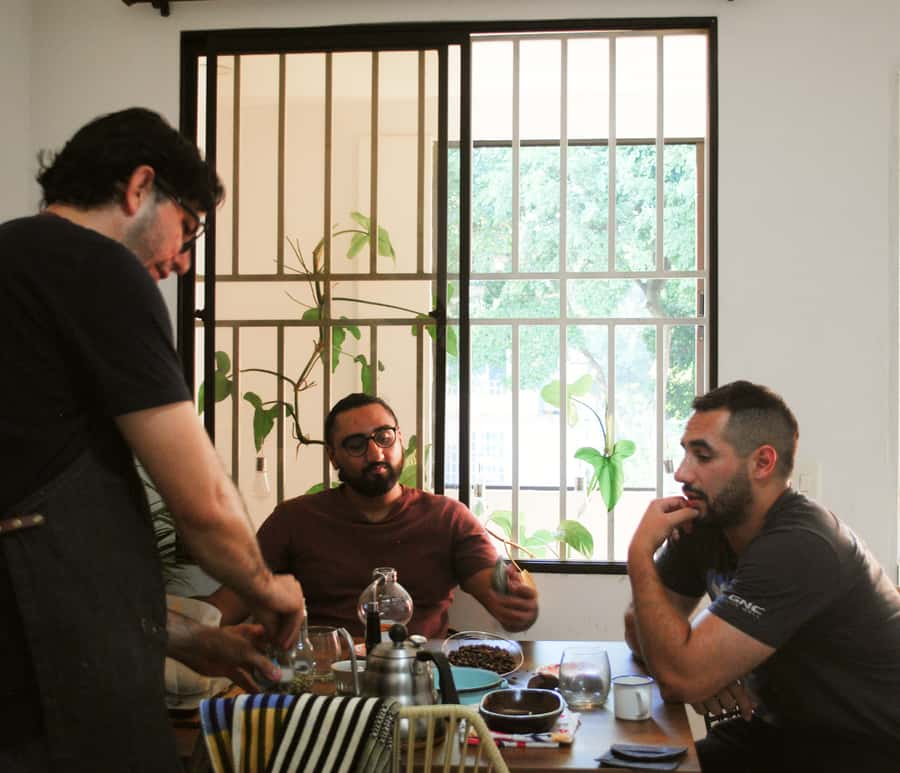
The strongest praise for this experience goes beyond the coffee itself. Pablo and his wife bring in music, dance, history, and local culture, including wider links across Colombia and Latin America. This gives the activity a stronger sense of place than a tasting conducted as a purely technical exercise.
Cali is known for its music and dance culture, and those subjects can help you connect the city with the coffee in your cup. The session does not turn into a separate sightseeing tour, but the added stories give you more to think about as you explore Cali afterward.
I also like that the experience is described as friendly rather than pretentious. Coffee language can sometimes make a simple drink feel unnecessarily formal. Here, the emphasis is on curiosity and enjoyment. You can ask what a flavor means, admit that one coffee is not your favorite, and learn without needing prior experience.
The family connection matters, too. Pablo’s family owns a coffee farm, while the small factory handles processing and roasting. You are getting a view of coffee that links farming, preparation, and local business in one place. It is still a short urban experience, not a complete study of Colombia’s coffee industry, but the personal scale gives it warmth.
What $64 Buys You in Cali
At $64 per person, this is not the cheapest way to drink Colombian coffee. You could buy several cups at a cafe for far less. The question is what you want your money to cover.
Here, the price includes 150 minutes of instruction, three Colombian coffees, different brewing methods, a roasting session, your own sample, and a visit to the small factory. You also get direct attention from the hosts in a private or small-group setting. If you value questions, conversation, and participation, the price is easier to justify.
The cost is less appealing if you only want a quick introduction or a scenic farm visit. This experience does not promise a long drive through the coffee-growing countryside, a plantation walk, or a large-scale production tour. Its value is concentrated in the tasting, personal instruction, and cultural discussion.
I would compare it with the cost of other guided food experiences in Cali, not with the price of a coffee shop drink. For coffee fans, people interested in local food, and visitors who prefer personal contact with small producers, it offers a solid amount of time and hands-on content.
There is also no stated pressure to buy coffee. You may want to take some home after learning how it is processed, but the experience is not described as a sales pitch. That makes the cost feel more trustworthy.
Who Will Enjoy This Most
This activity suits coffee drinkers who want to understand their preferences instead of simply collecting a tasting flight. It is also a good choice if you are new to coffee and want a relaxed introduction without having to know specialist vocabulary first.
I would especially recommend it to:
- Couples or friends who enjoy food and drink experiences
- Visitors with a free morning or afternoon in central Cali
- Coffee lovers curious about Colombian production
- People who prefer private or small-group instruction
- Travelers interested in local culture as well as food
- Anyone who wants a handmade souvenir with a personal story
The minimum age is 15, so it is not designed for families with young children. The experience is offered in English, which makes it practical for English-speaking visitors, and it is wheelchair accessible.
The schedule may be worth checking carefully. One point raised about the experience is that many people associate coffee activities with morning hours, while the session can be offered at different starting times depending on availability. If you prefer coffee early in the day, select a morning slot if one is available. If you are planning around a full sightseeing schedule, an afternoon time could work well.
Practical Details for Your Cali Visit
The activity lasts 150 minutes, or two and a half hours. Allow enough time to arrive without rushing, especially if you are combining it with a market visit or another booking.
The central location is one of its practical strengths. It is near most hotels and attractions in Cali, and the factory is one block from Alameda Market. The exact meeting address and start times should be checked when you reserve, since availability controls the schedule.
The experience includes personalized attention in a small group or one-on-one setting. Group size can affect how much time you get to ask questions, so a smaller booking is likely the best fit if you want detailed guidance.
Cancellation is flexible: you can cancel up to 24 hours ahead for a full refund. You can also reserve now and pay later, which helps if your Cali plans are still shifting.
Since the activity is wheelchair accessible, it may work well for visitors who need an accessible indoor experience. The provided information does not describe every physical detail of the route or facilities, so contact the provider if you need specific accessibility arrangements.
Should You Book This Coffee Tasting?
Book it if you want more than a cup of Colombian coffee. The combination of three tasting methods, a personal roasting session, the family-run factory, and stories about Cali and Latin American culture gives you a fuller experience than a standard cafe stop.
I would skip it if your main goal is a countryside farm visit, a large production facility, or a very cheap tasting. Those are not the focus here. This is an intimate, urban workshop built around conversation and participation.
For most coffee lovers, the best reason to book is the balance between learning and doing. You taste three coffees, make your own roasted sample, and leave with a better idea of what you actually enjoy. Add the central location and flexible cancellation, and it is a practical choice for a Cali itinerary, especially for visitors who want local character without spending a full day outside the city.
FAQ
Where does the coffee tasting take place?
It takes place in a central area of Cali, near most hotels and attractions. The small coffee factory is one block from Alameda Market in the Alameda area.
How long does the activity last?
The experience lasts 150 minutes, or two and a half hours.
How much does the experience cost?
The price is $64 per person.
How many coffees will I taste?
You will taste three different Colombian coffees brewed using different methods.
Will I roast coffee myself?
Yes. You will roast your own coffee sample using traditional methods and techniques, then take the sample home.
Who leads the experience?
The experience provider is Pablo Andres Zambrano Mora. Pablo and his wife guide the activity.
Is the activity private?
The activity is offered privately, with small group sizes or one-on-one guidance for personalized attention.
Is the experience available in English?
Yes. The instructor language is English.
Are there age or accessibility restrictions?
Children under 15 are not permitted. The activity is wheelchair accessible.
More Food & Drink in Cali
- The Cali Street Food Walking Tour
★ 5.0 · 81 reviews - Cali: Street Food Tour
★ 4.8 · 71 reviews - Street Food Tour – Live A Unique Gastronomic Experience
★ 5.0 · 34 reviews - Shared Tour Cali’s Local Food at Alameda Market
★ 4.8 · 12 reviews
Just added in Cali
- Street Food Tour – Live A Unique Gastronomic Experience★ 5.0 · 34 reviews
- Salsa Bar Hopping in Cali★ 4.5 · 43 reviews
- Salsa & Music Tour of Cali★ 5.0 · 42 reviews
- Rivering in The Danube (The Mermaid)★ 5.0 · 40 reviews
- Pance Waterfalls: Hike to discover the biodiversity of the valley★ 5.0 · 33 reviews
- Cristo Rey, Tertulia Museum and Downtown Cali City Tour★ 4.5 · 44 reviews
- Easy Birdwatching in Cali Colombia (4 Hours)★ 5.0 · 33 reviews
- 3 Days in Malaga Bay (Pacific Coast)★ 5.0 · 31 reviews
Coffee Farm Tours, compared.
Coffee Tour with Transport, Snacks and Tastings
Read our review →
Medellín Coffee Farm Tour with Trolley and Cable Car Ride
Read our review →
Private Cocora Valley, Salento & Coffee Farm Tour
Read our review →
Horseback Riding Coffee Farm Tour with Coffee Spa
Read our review →
Browse the lists this tour appears in