
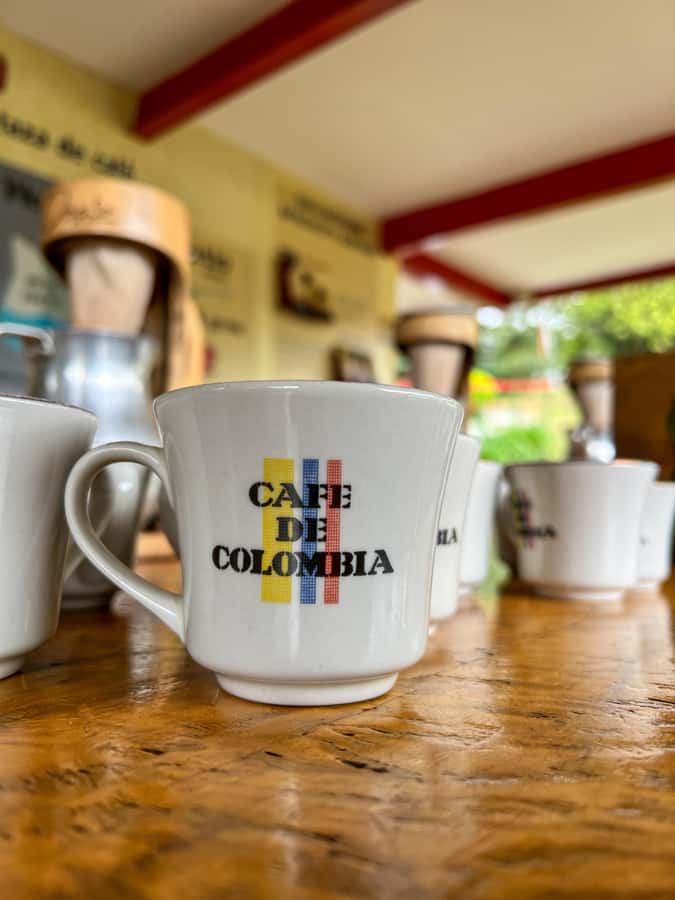
Reviewed · COCORA VALLEY & SALENTO TOURS
Coffee Tour at Finca El Ocaso Salento: Traditional Spanish Farm
The most interesting part of Finca El Ocaso is that coffee is treated as a full farm process, not simply a drink at the end. In 90 minutes, you follow the bean from planting and harvesting through pulping, drying, storage, roasting, and a traditional cup prepared in a cloth strainer.
I like the clear focus on sustainable production, especially the composting station and explanation of local plants and animals. I also like that the tour includes the working mill, where the machinery and older drying methods help you understand why processing affects flavor.
The main consideration is access. The farm is in rural Salento, the road is partly unpaved, and the tour is in Spanish. You must arrange your own ride, and a low car is a poor choice for the road.
Key Points to Know Before You Go
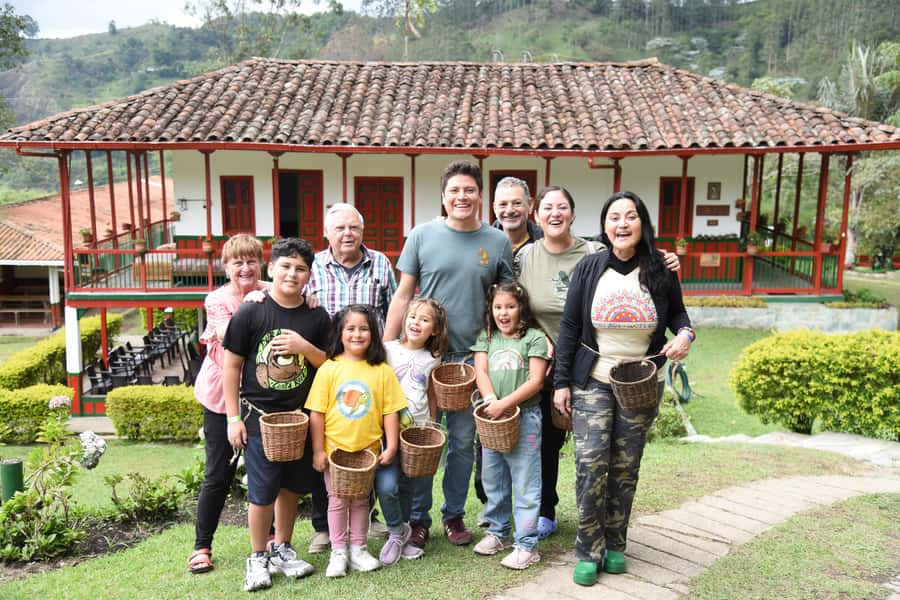
- Coffee from seed to cup: Follow planting, growth, picking, pulping, drying, storage, threshing, roasting, and preparation.
- A working sustainability lesson: See the composting station and learn how the farm handles fertilization, plants, and wildlife.
- Traditional and mechanical processing: Compare the mill’s hopper, pulper, mechanical dryer, and traditional drying method.
- Spanish-speaking instruction: The tour is conducted in Spanish, and some material remains in its original language.
- A rural road and independent arrival: Transportation is not included, and Willys Jeeps leave Salento every hour from 8:30 a.m. to 4:30 p.m.
- A final coffee tasting: The visit ends with coffee made in a pot and cloth strainer, followed by tasting.
Starting at Finca El Ocaso in Rural Salento
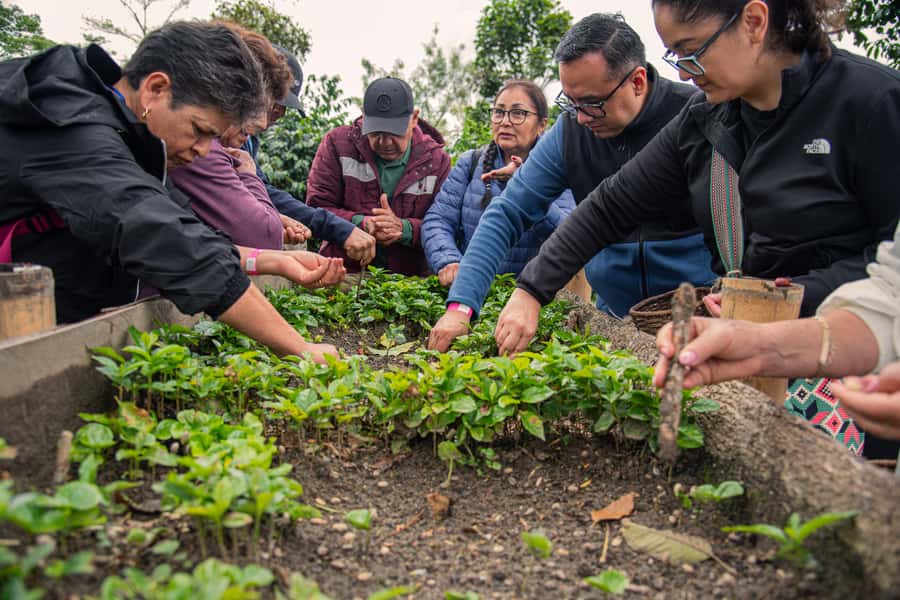
Finca El Ocaso is a farm visit for people who want to understand coffee production rather than simply pose among coffee plants. The farm is in the rural area of Salento, with the activity information identifying the location as Tolima. You arrive directly at the farm, and the tour does not include a pickup from town.
That detail matters. Salento is a popular base for exploring Colombia’s coffee country, but this is not a city-center activity. The last road is not completely paved, so plan your arrival with care. The farm advises against using a low car, particularly if the weather has been wet.
Public transportation is the simplest stated option. Willys Jeeps leave Salento every hour from 8:30 a.m. to 4:30 p.m., and you can also return from the farm to Salento in a Willys. The ride costs extra, so add it to the $19 tour price when working out your total budget.
The farm setting is part of the value. You are not only shown a finished product in a tasting room. You walk through gardens and coffee plantations and see where the work begins. I would allow extra time around the 90-minute tour for the ride, waiting for transport, and dealing with rural road conditions.
More Cocora Valley trips from Colombia
- From Salento: Cocora Valley Shared Tour
★ 4.8 · 246 reviews - Salento: Private Cocora Valley, Salento & Coffee Farm Tour
★ 4.9 · 202 reviews - Salento, Cocora and Filandia Private Tour from Pereira or Armenia
★ 5.0 · 90 reviews
The First Lesson: Coffee Species, Planting, and Growth
The tour begins with the basic story of coffee. You learn about the predominant coffee species and how coffee trees are planted and grown. This is useful even if you already drink specialty coffee, because the farm connects the names and methods to living plants.
The planting section covers sowing and early growth, while the plantation walk shows the mature crop. The tour also includes harvesting, so you get a practical sense of how coffee moves from a plant to a crop that needs careful handling.
I like this order. It keeps the visit grounded in agriculture before the equipment and tasting begin. Coffee can feel like an abstract product when you see it only as roasted beans in a bag. Here, the first half of the story is about soil, plants, timing, and farm labor.
Do not expect a long botanical lecture or an extended plantation hike. The whole visit lasts about 90 minutes, so the gardens and coffee fields are part of a compact route. Wear comfortable clothes and shoes that can handle an outdoor farm setting.
Compost, Fertilizer, Plants, and Wildlife
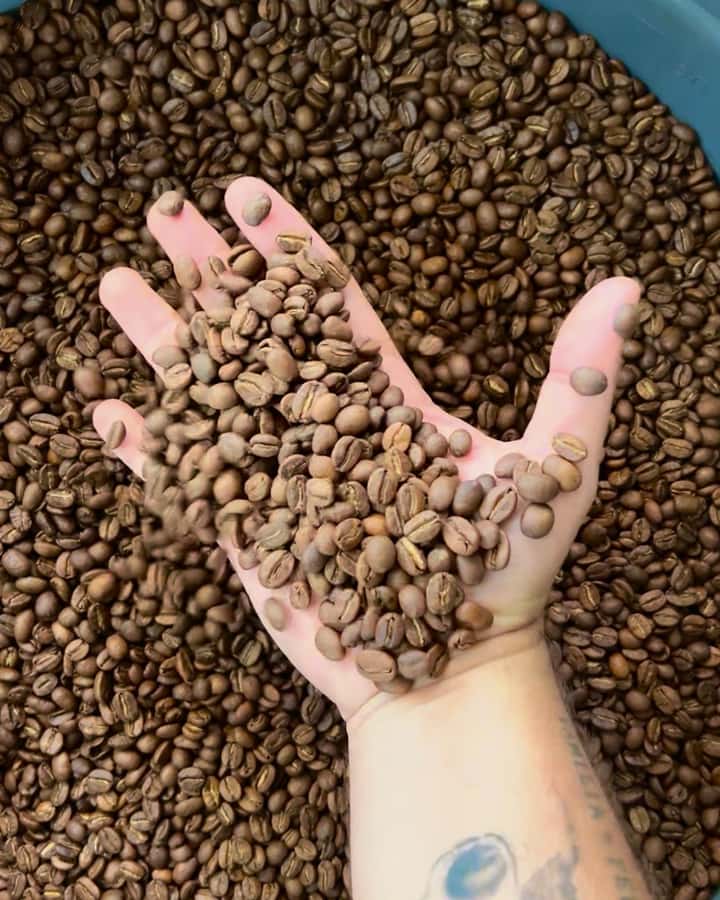
Finca El Ocaso places clear emphasis on sustainable production. You visit the composting station and learn about crop fertilization, then hear how sustainability relates to the farm’s fauna and flora.
This is one of the more useful sections for anyone comparing coffee tours. Sustainability is often used as a broad label, but a composting station gives you something practical to look at. You can connect the idea to farm waste, soil care, and the health of the coffee crop.
The discussion of fauna and flora also broadens the visit beyond coffee. A farm is not just rows of one plant. The tour explains the surrounding living environment and how it fits into production. The information provided does not promise a wildlife-spotting session, so go for the explanation rather than expecting a special animal encounter.
Bring insect repellent. It is specifically recommended, and the farm store can sell it if you forget. Sun block is not included either, so pack your own. Rain is also possible. The activity continues in wet weather, and rain ponchos can be bought at the farm.
Inside the Mill: Hopper, Pulper, and Drying
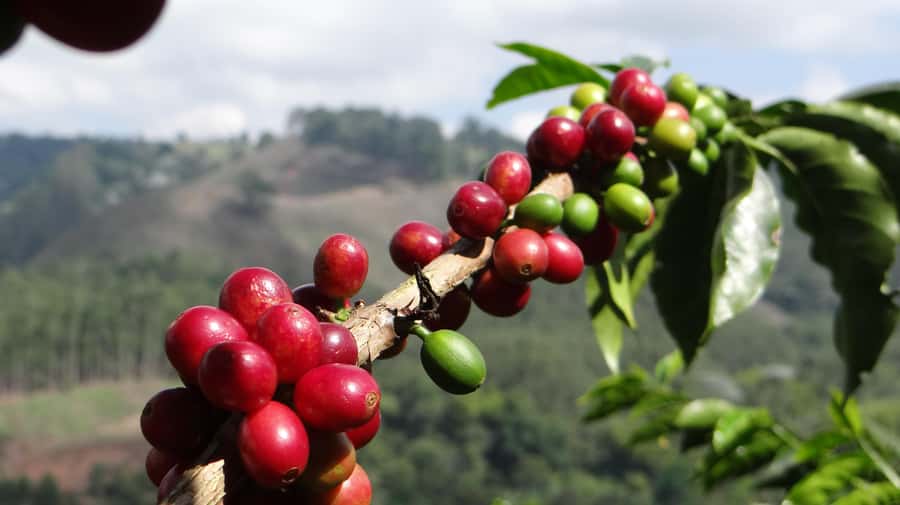
The mill is where the tour becomes especially concrete. You see the hopper, pulper, mechanical dryer, and traditional drying method. These are not just pieces of machinery to glance at. They show the stages that prepare coffee after harvesting.
The hopper receives the harvested coffee before processing. The pulper removes the outer fruit from the coffee cherry. Drying then reduces moisture so the coffee can be stored and handled properly. The farm presents both mechanical and traditional drying, giving you a useful comparison between equipment-based work and older methods.
I like this part because it explains why the same coffee plant can produce different results depending on what happens after picking. Processing affects quality, and the tour makes that idea easier to understand than a simple tasting description would.
The 90-minute schedule means the explanation will be focused. You should not expect every machine to be running at full production during your visit, and no exact harvest conditions are promised. Still, the mill visit gives the farm tour a working-agriculture feel instead of turning it into a decorative walk.
More coffee farm days from Colombia
- Medellin: Coffee Tour with Transport, Snacks and Tastings
★ 4.7 · 1,357 reviews - Medellín Coffee Farm Tour with Trolley and Cable Car Ride
★ 4.9 · 277 reviews - Coffee Tour at the Finca del Café
★ 5.0 · 213 reviews - Medellin: Coffee Tour and Wellness Spa
★ 4.8 · 209 reviews
Storage, Threshing, and Selling the Coffee
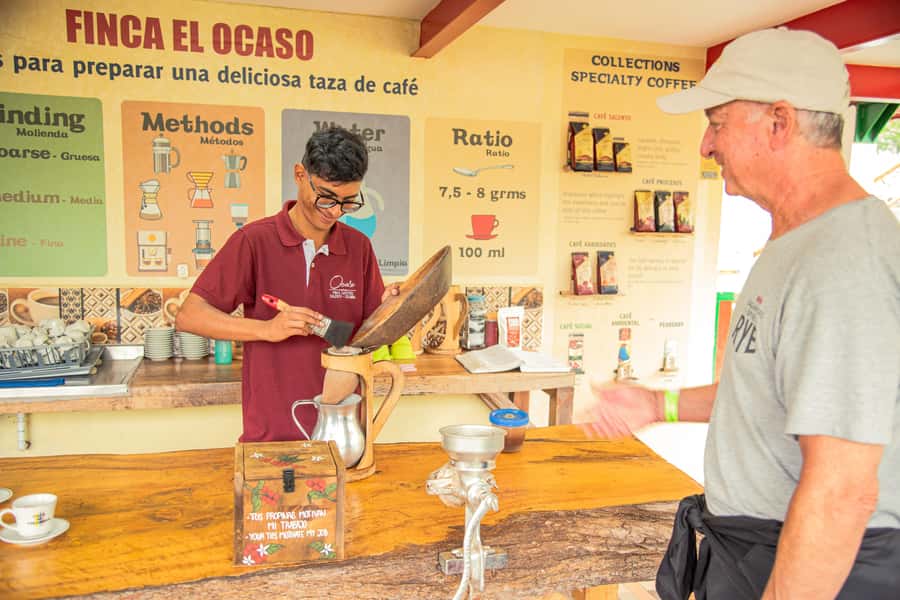
After drying, the coffee still has work ahead. The tour covers storage, threshing, and commercialization. This fills in a gap that many short coffee experiences leave out: what happens between the farm and the final roaster.
Storage matters because coffee must be kept in suitable condition before the next stage. Threshing prepares the dried coffee for further handling, and commercialization explains how the product moves toward sale. You begin to see the chain behind the price of a specialty coffee.
For you, this section is valuable if you care about quality and farm economics. A cup of coffee reflects more than the roast date. It also reflects cultivation, processing, storage, and the path to market. The tour does not provide a detailed price breakdown for farmers or exporters, so keep your expectations at the level of a clear introduction rather than a business seminar.
Roasting: Why Color Alone Is Not Enough
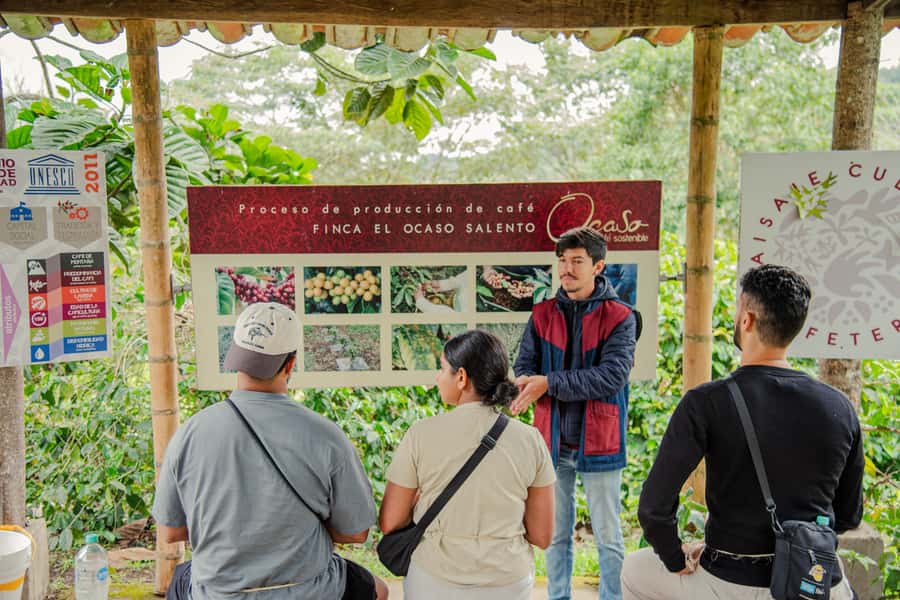
The roasting lesson covers different types of roasting and their importance to coffee quality. That is a key transition. Until this point, the focus is on the farm and raw coffee. Roasting determines how the prepared bean is turned into something ready to brew.
The exact roasting styles offered during the visit are not specified, so you should expect an explanation of the main approaches rather than a formal class with multiple roast profiles. The important point is how roasting changes the coffee’s character and why the roast should suit the bean and the intended preparation.
This section helps you taste more thoughtfully. Instead of treating a strong or light flavor as simply good or bad, you can consider how the roast shaped the result. It also gives context for the final tasting, which comes after you have seen the work behind the beans.
The Final Cup: Cloth Strainer and Pot
The tour ends with a traditional preparation using a cloth strainer and pot, followed by a tasting. This is a fitting finish because it takes the coffee out of the machinery and back into an everyday method.
The cloth strainer is simple compared with modern brewing equipment. That simplicity is part of the point. You get to see how coffee can be prepared with basic tools, and you can taste the result after learning about the plant, processing, drying, and roast.
The tasting is included in the $19 price. I consider that good value because it is not an isolated sample. You have already been given the production story that makes the cup easier to read. If you are a serious coffee fan, this final step ties the visit together. If you are a casual drinker, it gives you a pleasant way to finish without requiring specialist knowledge.
What the $19 Price Buys You
At $19 per person, the tour is reasonably priced for a 90-minute farm visit with a guide, plantation walk, sustainability explanation, mill visit, roasting lesson, traditional preparation, and tasting.
The value is strongest for visitors who want a broad introduction in a short time. You are not paying for transportation, food, repellent, or sun block, so the real cost will be higher if you need a Willys Jeep and supplies. Those exclusions are normal for a rural activity, but they should be part of your planning.
The tour also gives you more than a quick cup and a few photographs. It covers the whole production chain, from sowing to commercialization. If you want a long farm day, a meal, or a roasting workshop where you control the roast, this is not that kind of experience. If you want a focused introduction at a modest price, it makes good sense.
Language, Timing, and Comfort
The live guide speaks Spanish. Some content is shown in its original language, so you should be comfortable following Spanish explanations or confirm your language needs before booking. The tour information does not promise an English-speaking guide or translation.
A 90-minute duration makes this easy to fit around other Salento plans, but do not treat the start time as the only time commitment. You need to reach the farm independently, and rural transport can take patience. Check the available starting times before booking, then allow a buffer for the Willys ride.
Wear comfortable clothes suited to gardens, plantations, and changing weather. Bring insect repellent and sun block. Alcohol and drugs are not allowed at the farm.
The weather policy is straightforward: rain does not cancel the activity. Ponchos are available for purchase at the farm. That can be useful, but it is better to arrive prepared rather than rely on buying supplies after you arrive.
Who Will Get the Most From This Coffee Tour
I would choose Finca El Ocaso if you care about how coffee is made, not just how it tastes. It suits coffee drinkers who want to understand species, planting, processing, drying, storage, roasting, and preparation in one compact visit.
It also works well for visitors who value sustainable farming. The composting station and discussion of fertilization, wildlife, and plant life give the tour a clear environmental angle without making it only about marketing language.
The tour is less suitable if you need transport included, do not want to ride on a partly unpaved road, or require an English-language explanation. It may also feel brief if your ideal farm visit includes a full meal, a long hike, or detailed hands-on harvesting.
The available praise focuses on the guide’s friendly, clear, and entertaining approach. One afternoon visit was led by Nicolás, and that session was described as particularly enjoyable. Guide assignments can change, so treat Nicolás as a possible guide rather than a guarantee, but expect a Spanish-led experience built around explanation and conversation.
Booking Advice for Finca El Ocaso
You can cancel up to 24 hours ahead for a full refund, and you can reserve now and pay later. Those terms help if your Salento plans depend on weather or transport, though the farm still operates in rain.
Before booking, make three checks. Confirm the available start time, plan your Willys ride in both directions, and decide whether a Spanish-language tour works for you. Then pack comfortable clothes, insect repellent, sun block, and rain protection if the forecast looks unsettled.
The farm has a strong rating of 4.8 from 89 ratings, with especially positive attention given to the guide’s friendly manner, clear teaching, and the complete explanation of coffee production. That matches the structure of the visit: it is short, well organized, and covers a surprising number of stages.
Should You Book This Tour?
Book it if you want a practical introduction to Colombian coffee, a sustainable farm setting, and a tasting tied to the work behind the cup. The mill, composting station, roasting lesson, and cloth-strainer preparation give the $19 price real substance.
Skip it if you need included transfers, an English-speaking guide, or a longer hands-on activity. For everyone else, Finca El Ocaso is a smart Salento choice, especially when you want to leave with a better understanding of why coffee quality begins long before the first sip.
FAQ
Where is Finca El Ocaso located?
The farm is in the rural area of Salento. The activity information identifies the location as Tolima, and you must arrive directly at the farm.
How long does the coffee tour last?
The tour lasts 90 minutes.
How much does the tour cost?
The listed price is $19 per person.
Is transportation to the farm included?
No. You arrange your own transportation. Willys Jeeps leave Salento every hour from 8:30 a.m. to 4:30 p.m., and you can also return to Salento from the farm by Willys. The transportation cost is extra.
Is the tour available in English?
The live tour guide speaks Spanish. Some content is shown in its original language.
What does the tour include?
It includes the coffee history, species, planting, growth, harvesting, sowing, gardens, plantations, composting, fertilization, sustainability, fauna, flora, milling, drying, storage, threshing, commercialization, roasting, traditional preparation, and a tasting.
What should I bring?
Bring comfortable clothes and insect repellent. Sun block is also useful, and rain ponchos can be purchased at the farm if needed.
Does the tour operate when it rains?
Yes. Rain does not cancel the activity. The road is partly unpaved, and the farm sells rain ponchos.
More Farms in Colombia
- Coffee Tour Salento-Ocaso Farm- English Tour
★ 4.6 · 88 reviews - Coffee Farm Experience Private Day Tour
★ 5.0 · 81 reviews - Medellin: Guatape, El Peñol Coffee Farm Private Tour & Fruit
★ 5.0 · 49 reviews - Medellin: Coffee Farm and Barista Workshop Experience
★ 4.4 · 9 reviews
More Coffee Experiences in Colombia
- Medellin: Coffee Tour with Hotel Transfers and Meals
★ 4.9 · 186 reviews - Medellin: Horseback Riding Coffee Farm Tour with Coffee Spa
★ 4.8 · 151 reviews - Cartagena: Colombian Specialty Coffee Tasting
★ 4.4 · 130 reviews - From Bogotá: Coffee Farm and Tequendama Falls Tour
★ 4.5 · 130 reviews
Just added in Colombia
- Cartagena: CITY TOUR IN ENGLISH, Old city, Monuments, Castle★ 4.4 · 5 reviews
- Cartagena: White Night Boat Tour with Dinner and Open Bar★ 4.6 · 12 reviews
- Cartagena: Speed Boat Party on the Bay with open bar★ 4.3 · 12 reviews
- Cartagena: Sunset in boat in the bay with music and liquor★ 4.5 · 46 reviews
- Cartagena: Tour to Playa Tranquila with Snorkeling + Luminous Plankton and Parasol★ 3.0 · 4 reviews
- Cartagena: Walled City Walking Tour★ 4.4 · 26 reviews
- Cartagena Travel Memories: A cover magazine Photo Shoot★ 5.0 · 8 reviews
- Cartagena: Tour the emblematic Cerro de la Popa★ 4.5 · 6 reviews
Cocora Valley & Salento Tours, compared.
Private Cocora Valley, Salento & Coffee Farm Tour
Read our review →
Salento, Cocora and Filandia Private Tour from Pereira or Armenia
Read our review →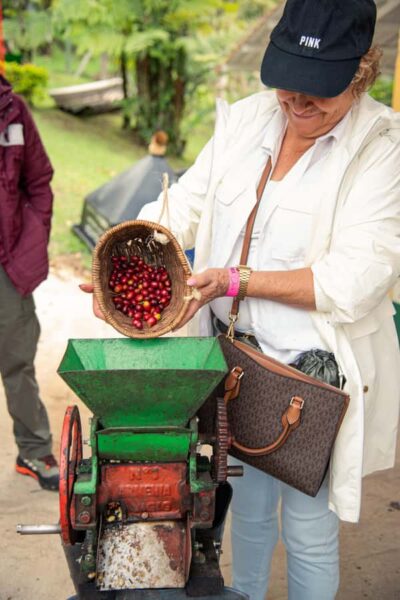
Salento/Pereira: Cocora Valley & Salento Hiking Private Tour
Read our review →
Full-Day Private Coffee Tour in Cocora Valley and Salento
Read our review →
Cocora Valley: Salento & Private Horseback Riding Tour
Read our review →Browse the lists this tour appears in