
Reviewed · GOLD MUSEUM & BOGOTÁ MUSEUMS
Medellín: Walking Tour with Cable Car and Botero Plaza
Medellín’s famous Botero statues are only the opening act here. In three hours, you’ll move from downtown plazas and old churches to a metro ride with views of the river and Andes, then rise by cable car toward Santo Domingo Savio. The changing scenery gives you a quick, useful picture of how the city connects its center with hillside neighborhoods.
I like two things in particular: all metro and Metro Cable fares are included, and your guide walks with you through the comuna rather than leaving you to view it from a car window. The main consideration is time. Three hours goes quickly, and the moderate walking, station transfers, and cable car ride leave limited room for lingering.
Key points to know
- Botero Plaza comes first: See Fernando Botero’s large bronze figures for free, with time for photos and an explanation of their artistic setting.
- The metro is part of the lesson: The ride shows how Medellín links the valley, river corridor, and hillside communities.
- The cable car is public transport, not just a view ride: It was built to connect barrios with the metro and other city services.
- Santo Domingo Savio adds social context: You can visit the modern library and walk through the comuna with a guide who knows the area.
- Pickup is limited by location: Hotel or apartment pickup is included only in El Poblado.
- The guide makes the difference: English and Spanish tours are available, and Juan Pablo has been praised for professionalism and a personable manner.
Why this three-hour route works
This is a compact city tour with a clear idea behind it. You are not simply checking off Botero Plaza, the metro, and a cable car. You are tracing Medellín’s connections from the formal downtown core to neighborhoods high above the valley.
That matters because Medellín is easier to understand when you see its transport system as part of city life. The metro carries people through the valley. The cable car climbs toward hillside barrios that once had fewer direct links to the center. Your guide provides the social and historical explanation as the scenery changes.
The pace is brisk but reasonable. A private vehicle handles the hotel transfer, while the middle of the tour uses Medellín’s public transportation. You should expect a mix of sitting, standing, walking, station navigation, and short stops. If you want a slow art tour or a long neighborhood visit, this may feel compressed. If you want a first look at several parts of the city in one morning or afternoon, the format makes sense.
More museum visits in Medellín
- Private half day Medellin tour: meet Fernando Botero´s 23 statues
★ 5.0 · 84 reviews - Best Full Day Private Medellin City Tour and Botero´s Plaza
★ 5.0 · 76 reviews - Medellín: Comuna 13, Cable Cars and Botero Statues Tour
★ 4.8 · 61 reviews
Starting from El Poblado in a private vehicle
The experience begins with pickup at your hotel or apartment if you are staying in El Poblado. You ride in a new, comfortable private vehicle to the metro station, with parking costs covered. If you are staying elsewhere, pickup is not automatic, so you need to contact the operator for a meeting point.
That detail can affect the value. The private transfer saves you from figuring out the first connection on your own, especially if Medellín is new to you. It also keeps the tour moving during a short three-hour schedule.
Do not read the private vehicle as a private tour unless your booking confirms that. The supplied details promise private transport for the transfers, but they do not give a group size for the walking and public transport portions. Ask before booking if group size matters to you.
Botero Plaza and the city’s most recognizable bronze figures
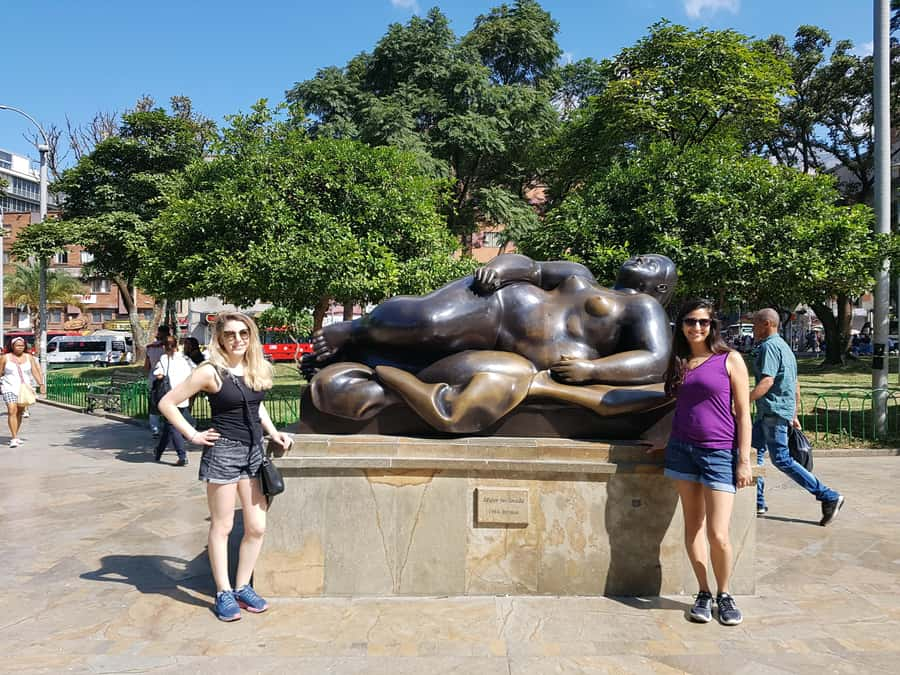
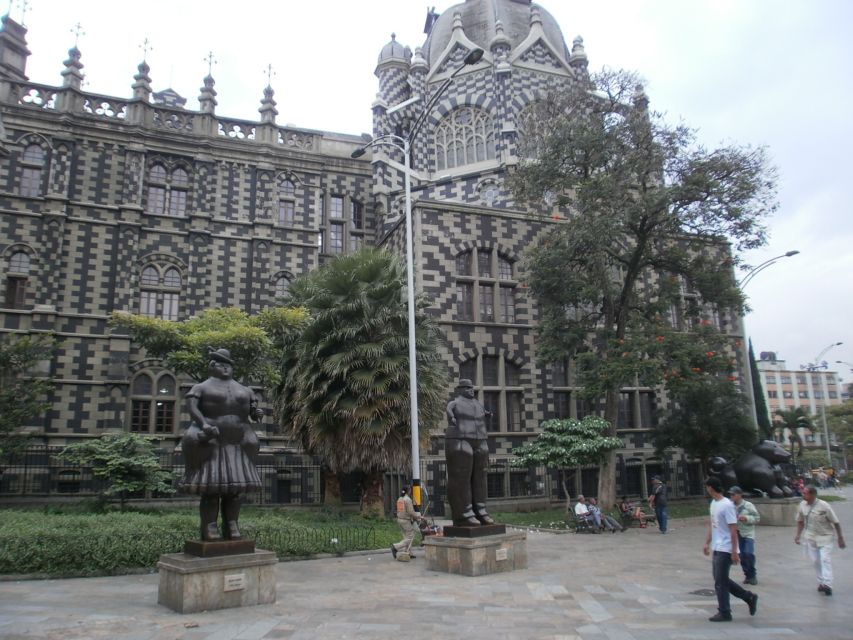
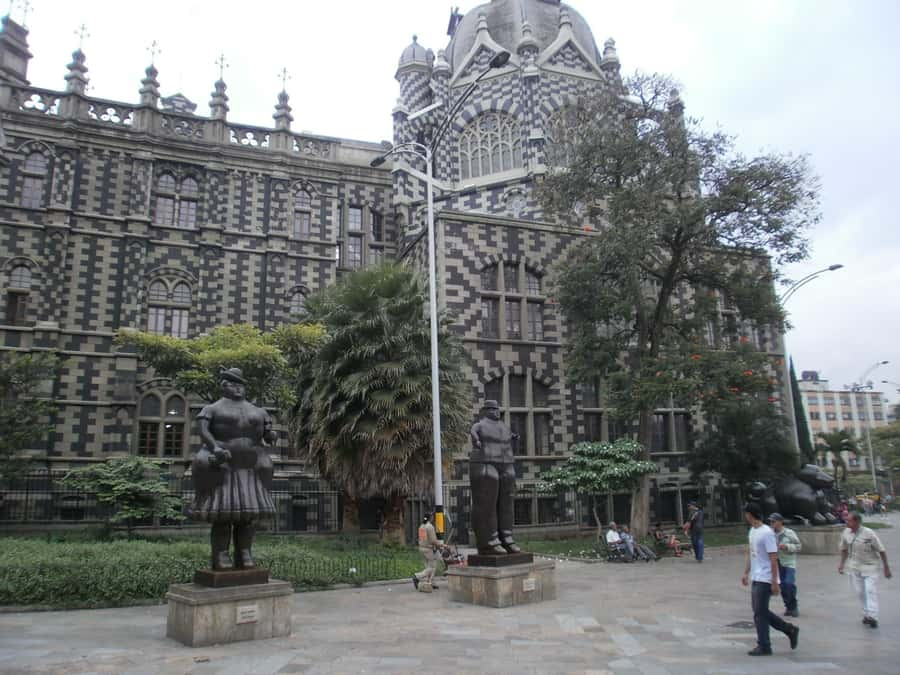
The first major stop is downtown Medellín’s Botero Plaza, where large bronze works by Fernando Botero fill the public space. Entry to view the outdoor sculptures costs nothing, so the value here comes from the guide’s explanation and the chance to see the work in its city setting.
Botero is famous for rounded, exaggerated forms. His figures often look playful at first glance, but the guide can help you understand the artistic choices behind the shapes rather than reducing the visit to a photo stop. The statues are large, easy to see outdoors, and well suited to pictures. Bring a decent camera or phone, and ask your guide to take photos if you want an image with the sculptures.
This is one of the tour’s strongest moments for visitors who want art without spending hours inside a museum. You get a direct introduction to one of Colombia’s best-known artists, then continue on foot into the surrounding downtown streets.
The drawback is that the plaza itself is not a private or controlled museum setting. City noise, pedestrians, and the open public space are part of the experience. You should also keep your expectations in check: the tour offers context about Botero’s work, but it is not advertised as a full art-history lecture.
Walking downtown past churches, plazas, and the Cultural Palace
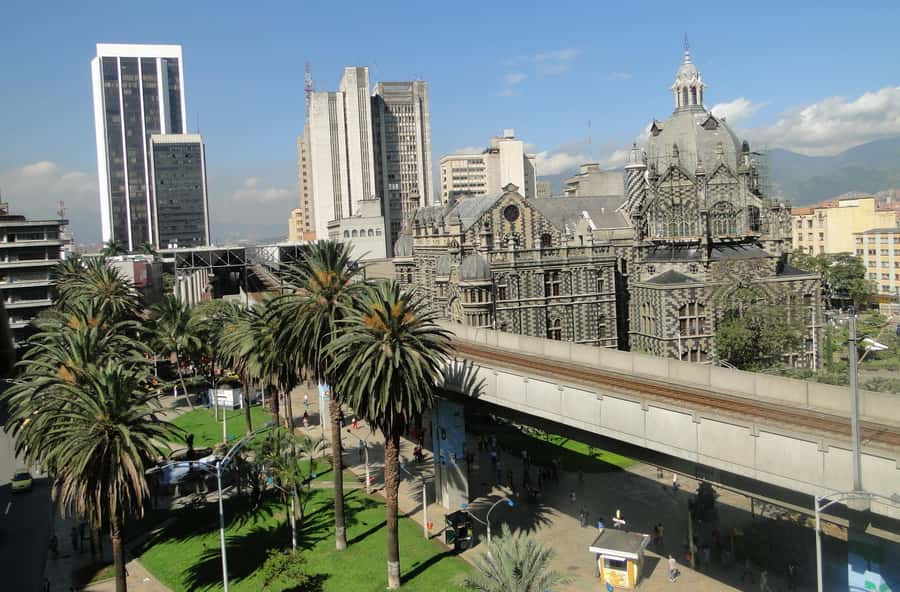
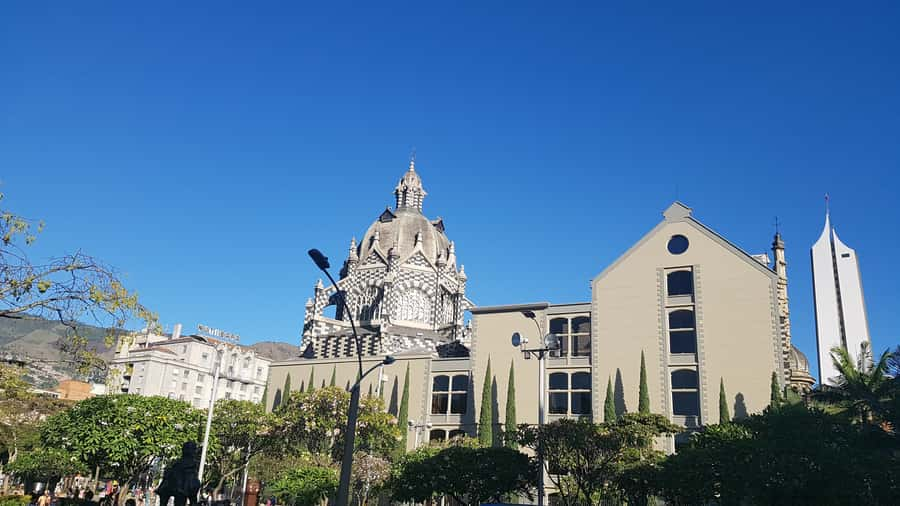
After Botero Plaza, you walk through central Medellín. The route includes old colonial churches, public plazas, the Cultural Palace, and other downtown sights. This section helps connect the sculptures to the city around them.
I like this part because walking gives you more than a quick view through a vehicle window. You can notice the shift between formal public buildings, religious architecture, commercial streets, and everyday city movement. Your guide can also explain what you are seeing as you go, which is useful when a building or plaza lacks clear information for a first-time visitor.
The amount of walking is described as moderate. Wear comfortable shoes, and avoid treating this as a polished, stop-every-five-minutes sightseeing stroll. The itinerary has several moving parts, so you may spend more time walking between points than standing at each one.
The downtown section also makes the later cable car ride more meaningful. You begin at street level, among the city’s older and more central landmarks, before using the same public transport system that carries residents toward the hills.
More cable car rides above Medellín
- Medellin: Comuna 13 Graffiti Tour, Cable Car & Street Food
★ 4.8 · 9,046 reviews - Medellín: Comuna 13 District Tour with Cable Car Ride
★ 4.8 · 1,467 reviews - Medellín: Private City Tour with Metrocable and Comuna 13
★ 4.9 · 330 reviews - Medellín Coffee Farm Tour with Trolley and Cable Car Ride
★ 4.9 · 277 reviews
The metro ride through Medellín’s valley
At the metro station, you board Medellín’s urban rail system. All Metro and Metro Cable fees are included, so you do not need to buy separate tickets during the tour.
The ride offers views of the city, the river, and the Andes mountains around the valley. It is a practical part of the route, but it also gives you a chance to watch Medellín change from the window. The metro is not a tourist train added for sightseeing. It is part of the city’s daily transport network.
That distinction is important. A guided ride lets you see how people move around the valley and why a connected transport system matters in a city with steep hills and separated neighborhoods. Your guide can add meaning to the route, while you get a break from walking.
The metro portion may be less exciting if you already know Medellín’s system or have used it extensively. It is also a public service, so standing or dealing with normal station activity is possible. Still, for a first visit, it is a sensible way to reach the next part of the tour and see the city from a local point of view.
Riding the Metro Cable toward Santo Domingo Savio
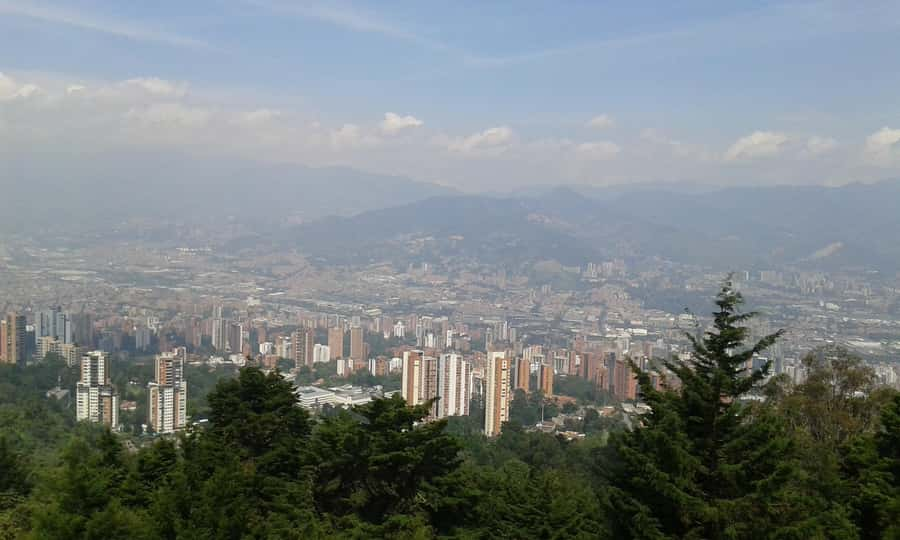
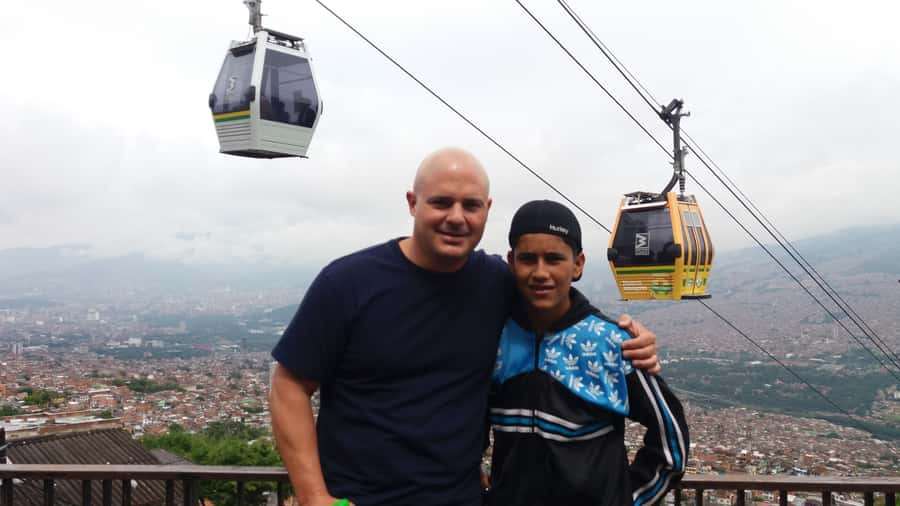
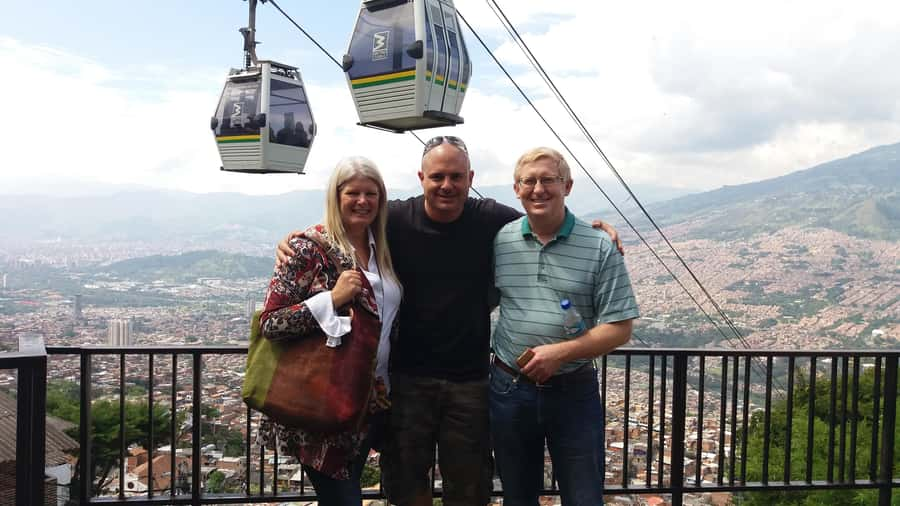
The aerial cable car is the tour’s most memorable transport segment. From the metro, you board the Metro Cable and rise toward Santo Domingo Savio. The cabins are described as sturdy and well maintained, and the route gives you a broad view across the valley and surrounding mountains.
The cable car was built to improve transport, reduce traffic pressure, and connect hillside barrios with the metro and other transport options. That purpose gives the ride more weight than a simple scenic attraction. You are seeing infrastructure designed to make daily travel easier for people living farther from the center.
The views are naturally a major part of the appeal. As the cabin climbs, you can look back across Medellín and down toward the city below. Weather and visibility will affect what you see, and the tour does not promise a particular view on a particular day.
You should also remember that this is shared public transport. The ride is not a private gondola, and the itinerary does not promise a long photo stop in the cabin. Keep your camera ready, listen to the guide, and stay aware of the time.
Santo Domingo Savio library and life in a comuna
The cable car takes you to the area near Santo Domingo Savio library, a modern building partly donated by the King of Spain. The library gives the tour a clear physical destination, but the neighborhood visit is the more important part for understanding the route.
You have the option to get off here and walk with your guide through a comuna or barrio. In this setting, the guide can explain how people live and work day to day, while pointing out local efforts that help children and families move in a peaceful direction. The supplied details refer to sponsored local children and community progress, but they do not promise a formal school visit, donation activity, or meeting with a particular organization.
That distinction matters. You are observing and learning, not signing up for a volunteer program. Treat the neighborhood with respect, listen to your guide, and avoid turning residents into background scenery for photographs. Ask before taking pictures of people, especially children.
This is also the part of the tour most dependent on your guide’s judgment. A guide who knows the neighborhood can explain what you are seeing without sensationalizing it. The tour description specifically emphasizes walking safely with an expert guide, so stay with the group and follow local advice.
Some people may find this section more thought-provoking than the monuments downtown. Others may prefer a lighter sightseeing experience. The barrio walk is optional, which gives you some control over the tone and pace of the final part of the tour.
What the $79 price covers
At $79 per person, the tour is not the cheapest way to ride the metro or see Botero Plaza. The outdoor sculptures are free, and you could use public transportation independently for much less.
The price makes more sense if you value structure and explanation. It covers a certified professional guide, private vehicle transport, parking, hotel pickup and return in El Poblado, and all metro and cable car fares. You are also paying for someone to connect the art, downtown architecture, transport system, and hillside community into one short route.
I consider the price fair for a first visit if you want a guided introduction without arranging several separate rides. It is less compelling if you are already comfortable using Medellín’s metro system, speak Spanish well, and prefer to explore at your own speed.
Food, drinks, lunch, and souvenirs are not included. Plan to eat before or after the three-hour activity rather than expecting a meal stop. Souvenirs may be available for purchase, but the tour does not include them.
Who should book this tour
I would recommend this experience to a first-time visitor who wants more than a standard downtown walk. It suits you if you want art, public transport, mountain views, and a guided look at daily life in one outing.
It is also a good fit for people who prefer a guide during their first trip on Medellín’s metro and cable car. English and Spanish are available, and the tour is wheelchair accessible, though the moderate walking and public transport format still deserve a practical check before booking.
I would be more cautious if you dislike shared transport, need long stops, or want a highly specialized art tour. The three-hour schedule is efficient, not leisurely. The barrio visit can also feel serious and personal, so book it because you want context, not simply another viewpoint.
For the smoothest start, stay in El Poblado or arrange the meeting point early if you are based elsewhere. Comfortable shoes, a camera, and a little patience around station transfers will serve you well.
FAQ
How long does the Medellín walking and cable car tour last?
The tour lasts three hours.
What languages does the guide speak?
The tour is available with a live guide in English or Spanish.
Is hotel pickup included?
Hotel or apartment pickup and drop-off are included if you are staying in El Poblado. If you are staying in another area, you need to contact the operator for a meeting point.
What transport is used during the experience?
You travel by private vehicle, Medellín’s metro, and the Metro Cable aerial cable car.
Are the metro and cable car fares included?
Yes. All Metro and Metro Cable fees are included in the tour price.
Is Botero Plaza free to visit?
Yes. There is no cost to view the outdoor Botero sculptures in the plaza.
Is food included?
No. Food, drinks, and lunch are not included.
How much walking is involved?
A moderate amount of walking is involved. The route includes downtown sightseeing and an optional walk through a comuna or barrio near Santo Domingo Savio.
Is the tour wheelchair accessible?
Yes, the activity is listed as wheelchair accessible.
Can I cancel for a full refund?
Yes. You can cancel up to 24 hours in advance for a full refund. You can also reserve now and pay later.
Should you book it?
Book this tour if you want Medellín explained through its art, transport, and neighborhoods, rather than through monuments alone. The Botero sculptures provide an easy starting point, the metro and cable car show how the city functions, and Santo Domingo Savio adds a more personal look at life beyond the center.
Skip it if you want an unhurried day or plan to explore Medellín’s transit system independently. For $79, the value lies in the guide, private transfers, included fares, and careful route planning. If that combination saves you time and helps you feel comfortable seeing more of the city, it is a sensible three-hour choice.
Walking Medellín
- Comuna 4 Walking Tour Medellin
★ 5.0 · 217 reviews - Medellin Historic Walking Tour
★ 4.9 · 86 reviews - 2-Hours Street Art Walking Tour in Medellin Comuna 13
★ 5.0 · 54 reviews - Walking tour downtown Medellín
★ 5.0 · 39 reviews
Just added in Medellín
- City tour, Commune 13, Metro Cable, Botero Park and more. Private★ 5.0 · 34 reviews
- Aerial Hammocks, Zip and Waterfall Trek on Medellin Private Tour★ 5.0 · 39 reviews
- Commune 13, Graffitour street food. History.All inclusive★ 5.0 · 35 reviews
- Walking tour downtown Medellín★ 5.0 · 39 reviews
- Barrio transformation and urban escalator of Comuna 13★ 5.0 · 47 reviews
- Tour to the Hacienda Nápoles Theme Park★ 4.0 · 22 reviews
- Hiking Mountains and Magical Forests★ 5.0 · 27 reviews
- Tour Santa Fe de Antioquia★ 5.0 · 46 reviews
Gold Museum & Bogotá Museums, compared.
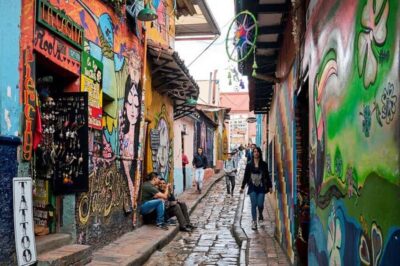
Private City Tour, Monserrate, Emerald and Botero
Read our review →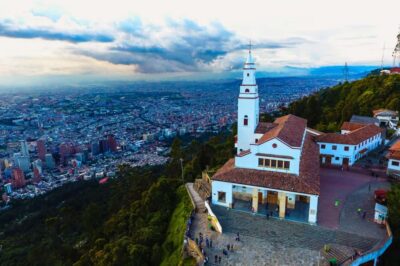
Bogotá City Tour with Monserrate, Gold and Botero Museums
Read our review →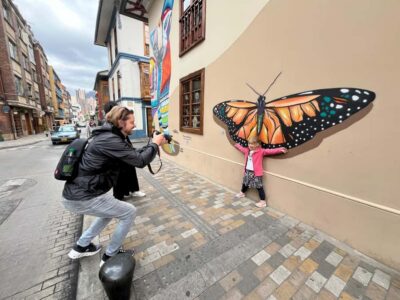
City Tour, Monserrate, Gold Museum, Plaza de Bolivar
Read our review →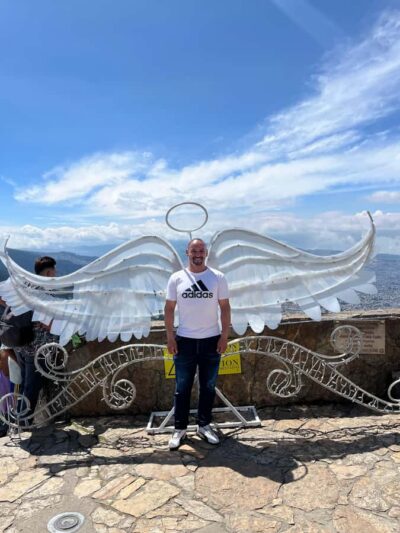
City Tour, Monserrate, Gold Museum, Botero Museum, Plaza Bolívar
Read our review →
Private half day Medellin tour: meet Fernando Botero´s 23 statues
Read our review →
Best Full Day Private Medellin City Tour and Botero´s Plaza
Read our review →
La Candelaria, Mount Monserrate and Museo del Oro in One Day in Bogota
Read our review →Browse the lists this tour appears in