
Reviewed · PABLO ESCOBAR TOURS
Medellín: Pablo Escobar Jail Private Tour
Pablo Escobar’s story is not told here as a gangster adventure. It is a hard look at how one car thief became a drug lord rich enough to offer to pay Colombia’s $13 billion national debt, while his violence killed thousands and scarred a country. The tour takes you to places tied to that rise and fall, including his self-designed prison, the ruins of the Monaco building, and the house where his life ended.
I like the private format, because you can ask direct questions and spend more time on the parts that interest you. I also like the hotel pickup and drop-off, plus the chance to visit real sites rather than hear only a general story in a museum. The main drawback is the subject itself: stories of murders, political violence, and betrayal can be grim, and the four-hour schedule may feel intense.
Key points to know before booking
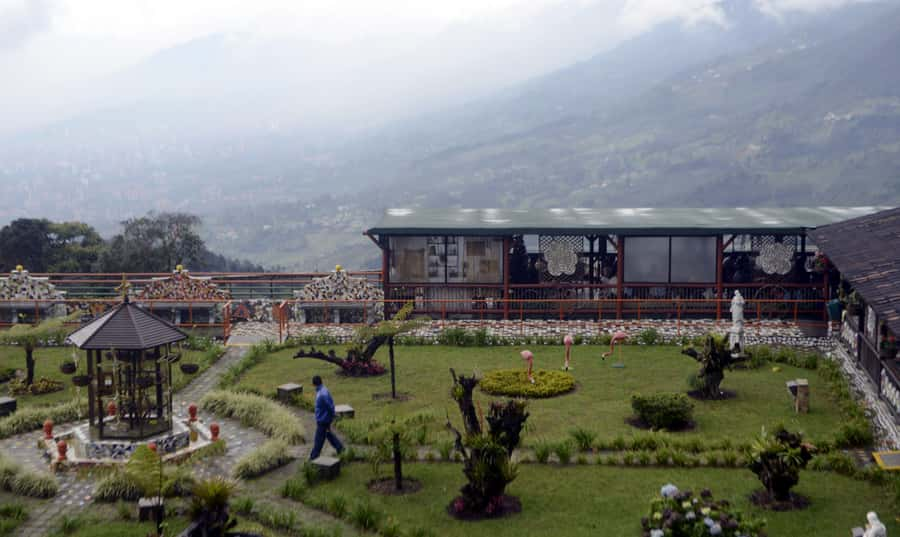
- Escobar’s self-designed prison: See the unusual place where he was allowed to remain behind bars on his own terms.
- The Monaco building ruins: Learn how the conflict between the Medellín and Cali cartels took a new turn here.
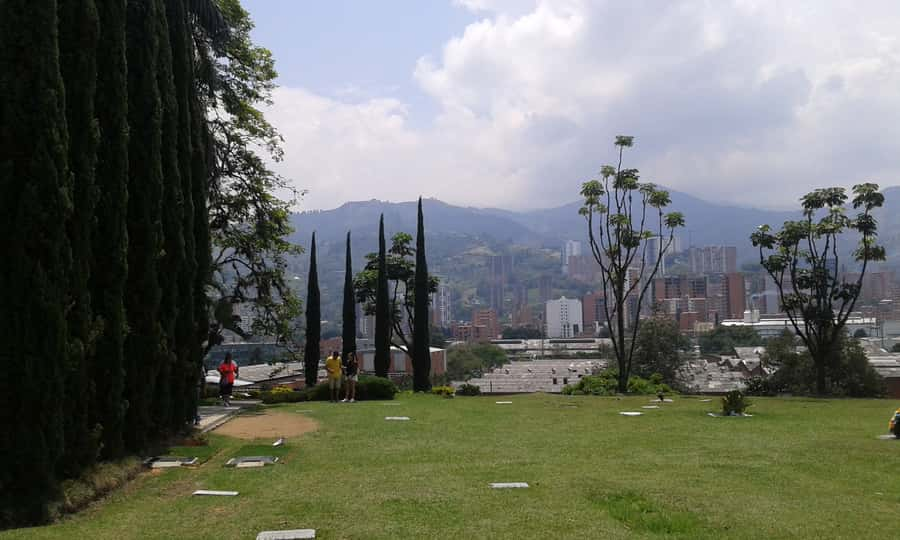
- His final home and death site: Visit the last house where Escobar lived and the place where he was killed.
- Private guide and vehicle: Ask questions freely, with pickup and return included from hotels in El Poblado and Laureles.
- A serious look at the human cost: The tour covers Escobar’s appeal to some Colombians, along with the pain felt by victims’ families and political opponents.
- Four hours at $135 per person: The price makes the most sense for people who value private transport, a flexible conversation, and several connected locations.
What this tour is really about
This is a narco-history tour, but the useful word is history, not celebrity. Escobar remains a figure of fascination, yet his story cannot be separated from assassinations, bombings, corruption, and the suffering of ordinary Colombians.
Your guide explains how Escobar moved from car theft into the cocaine trade and built the Medellín cartel into a force that challenged the government. You also hear about his rivalry with the Cali cartel, a conflict that shaped the violence of the period and changed the balance of power in Colombia.
The story has uncomfortable contradictions. Escobar was feared by politicians and hated by families who lost relatives, but some poor Colombians viewed him as a benefactor because he funded housing and other local projects. A good tour needs to hold both facts together without turning either into a simple legend. This experience is designed around that tension.
The four-hour length gives the subject room to breathe, though you should expect a concentrated outing rather than a leisurely city tour. The pace connects several sites, so the places make more sense when your guide explains how one event led to another.
More Escobar history tours in Medellín
- Medellín: The Real Pablo Escobar Tour
★ 4.8 · 3,205 reviews - Medellín: Pablo Escobar Tour with beer included
★ 4.7 · 612 reviews - Medellin: Guatapé Day Trip & Boat to Pablo Escobar’s Estate
★ 4.7 · 365 reviews
Escobar’s unusual prison
One of the most striking stops is the prison Escobar designed for himself. It was not a normal jail. The arrangement allowed him to remain in a controlled setting while retaining an unusual degree of comfort and influence.
That detail tells you plenty about the period. A prison can reveal the weakness of a government as clearly as a courtroom can. Here, the building becomes evidence of how power worked, and how far Escobar’s influence reached.
Your guide also explains the role of the site in Escobar’s internal war. The tour includes stories about the place where he murdered several of his own associates, a reminder that his violence was not aimed only at politicians, police officers, or cartel rivals. Trust inside his own organization could disappear quickly.
This stop may be difficult for some people. You are not visiting a lighthearted film set or a crime-themed attraction. The value comes from seeing how an actual place fits into the wider story, but the stories connected with it can be upsetting.
The Monaco building and the Medellín-Cali feud
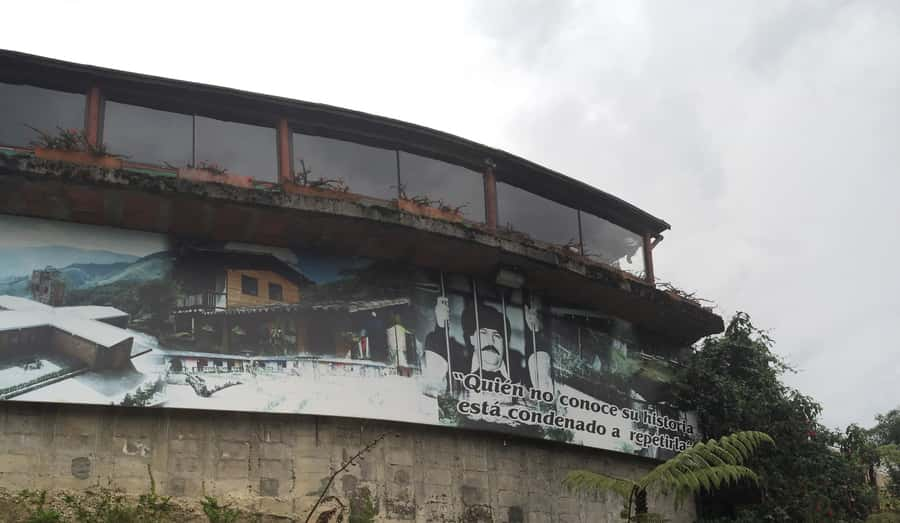
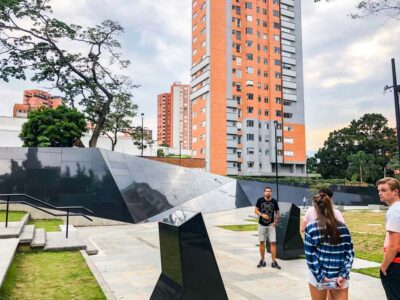
The ruins of the Monaco building mark another important chapter. This is where the war between the Cali and Medellín cartels began, and the site helps explain that the drug trade was not controlled by one united group.
The rivalry between the two cartels involved competing networks, money, and influence. Your guide uses the location to show how the conflict spread beyond criminal circles and affected Colombia’s political and social life.
For you, the benefit of this stop is context. Many Escobar tours focus so tightly on one man that the rest of the story fades away. This visit widens the frame. You learn that Medellín’s cartel was part of a larger struggle, and that Escobar’s enemies were not all government officials or police.
The Monaco building is now described as ruins, so do not expect an intact mansion or a preserved museum interior. Its importance lies in what happened there and what the location represents. The guide’s explanation matters more than the physical remains.
The last house and the place where Escobar died
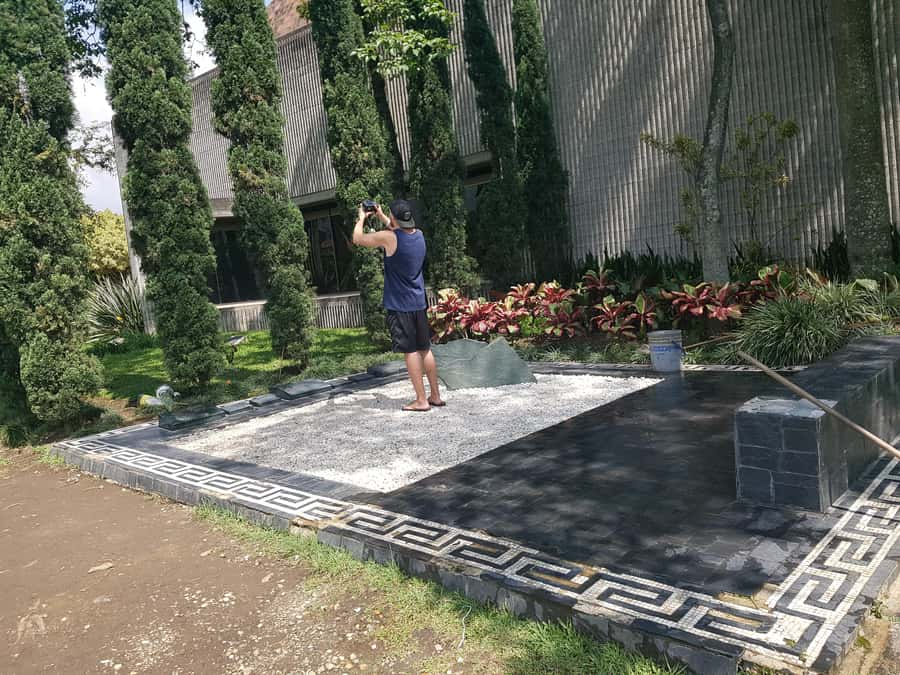
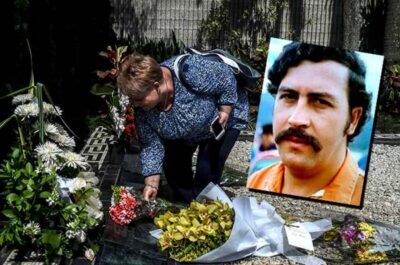
The tour then follows Escobar toward the end of his life. You visit the final house where he lived and the site where he was killed.
This part of the route gives the story a clear human scale. The earlier stops deal with institutions, cartel warfare, and power. Here, the subject becomes one man in the final stage of a violent life. The place where he died is not just a dramatic finale. It also raises questions about justice, revenge, and what happens when a government tries to bring down someone who has operated above the law for years.
You can expect your guide to connect the house and death site to the larger political story. The tour is not simply about locating a famous wall or pointing out a final photograph. It is about understanding how Escobar’s choices narrowed his options until the story ended there.
If you want a polished attraction with lots of displays and signs, this may feel spare. If you prefer real locations and a guide who can explain why they matter, the stop has more weight.
A few more trips around Medellín worth a look
- Medellín: Private City Tour with Metrocable and Comuna 13
★ 4.9 · 330 reviews - Medellín: Private Guatapé with Peñol Tickets and Boat Ride
★ 4.9 · 256 reviews - Medellín: Private Pablo Escobar and Comuna 13 Tour
★ 4.9 · 233 reviews - Medellín: Private Pablo Escobar Tour with Cable Car Ride
★ 4.8 · 228 reviews
Carlos, Sara, and the value of a private guide
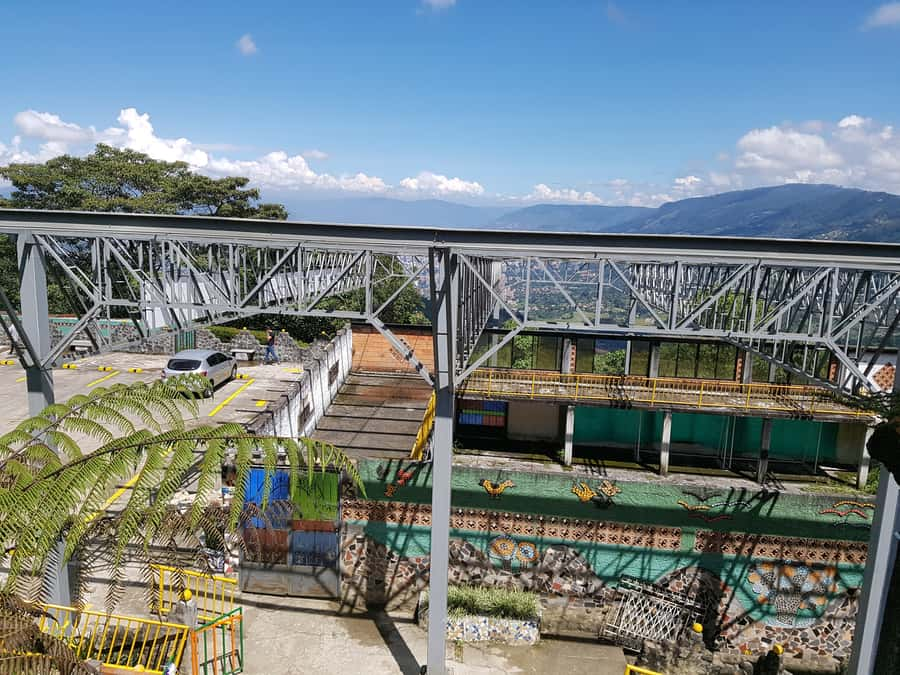
The quality of this experience depends heavily on your guide. Carlos is specifically noted for answering questions, explaining the subject with care, and handling the practical side of the outing. One particularly useful detail is that he drove back to return a bag left in his vehicle. That suggests a guide who stays attentive after the formal tour ends.
Sara is also singled out for being punctual, friendly, professional, and able to explain the details of the story. Those qualities matter here. The subject is complex, and a rushed or careless guide could turn it into a string of sensational stories.
You can book the tour in English or Spanish. A private group gives you space to ask about the cartel rivalry, Escobar’s political influence, or the difference between public admiration and private grief. You are not locked into the questions of a large group.
Still, a private guide does not make the subject easy. You may hear details that are emotionally rough. I would treat this as an educational history outing, not a casual afternoon built around a famous criminal.
What the $135 price includes
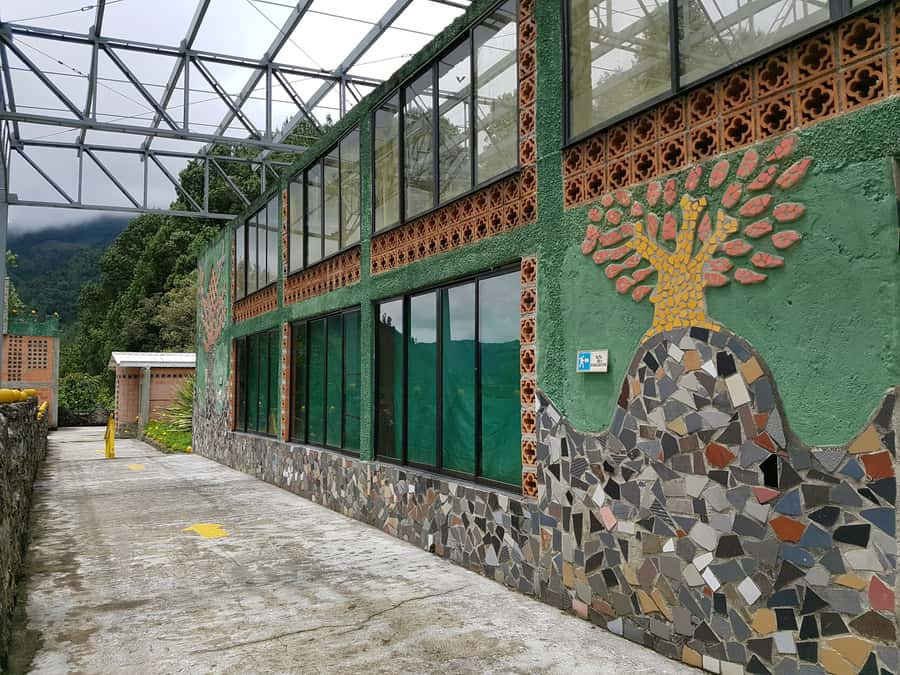
At $135 per person, the tour is priced well above a basic shared sightseeing trip. The cost includes a guide, private transportation, hotel pickup, and hotel drop-off. Those extras matter in Medellín because the route links several locations connected to different stages of the story.
The value is strongest for a small group that wants privacy and direct conversation. If you are traveling with friends and plan to ask many questions, dividing the cost across the group may make the experience feel more reasonable.
The price does not include food, drinks, or lunch. Four hours is long enough that you should eat beforehand or plan a meal afterward. Since there is no lunch included, do not treat the price as an all-day package.
You also pay for interpretation, not just transport. A driver who drops you at sites without explaining the political and social setting would leave large gaps. Here, the guide is central to the experience, so the tour is a better value for people who want the story explained at each stop.
Pickup, timing, and what to bring
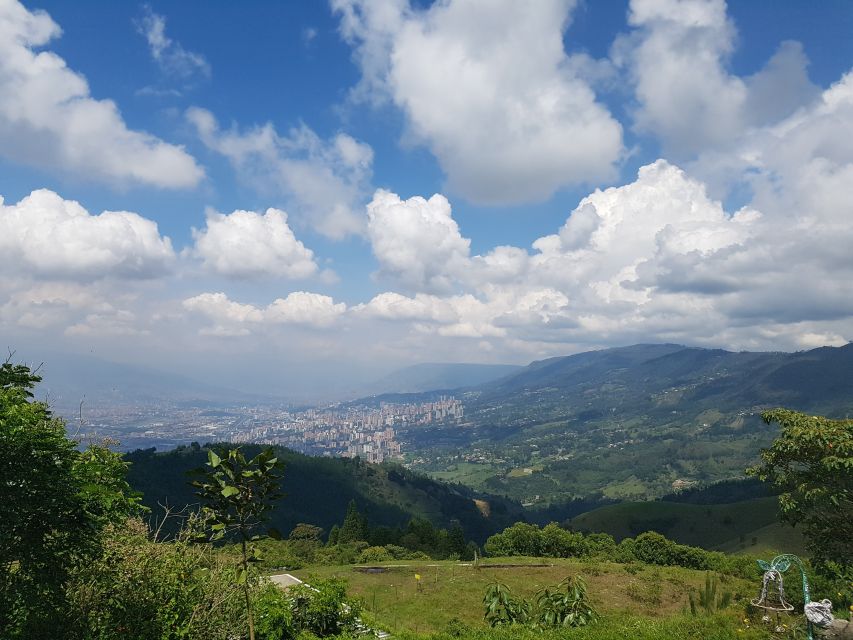
Pickup is available from hotels in El Poblado and Laureles, two common bases for visitors to Medellín. If you stay elsewhere, contact the local operator after booking for meeting-point details.
The tour lasts four hours, but starting times depend on availability. Confirm your preferred time before you build the rest of your day around it. Hotel pickup and drop-off remove much of the transport planning, which is useful when several stops are spread across the city and surrounding area.
Bring your passport or ID card. Alcohol and drugs are not allowed. The tour is wheelchair accessible, though you should still confirm the practical details of your specific pickup and route if you use a wheelchair.
There is no food service, so bring the right expectations. You are paying for the guide, vehicle, and private route, not snacks or lunch.
Who will appreciate this experience
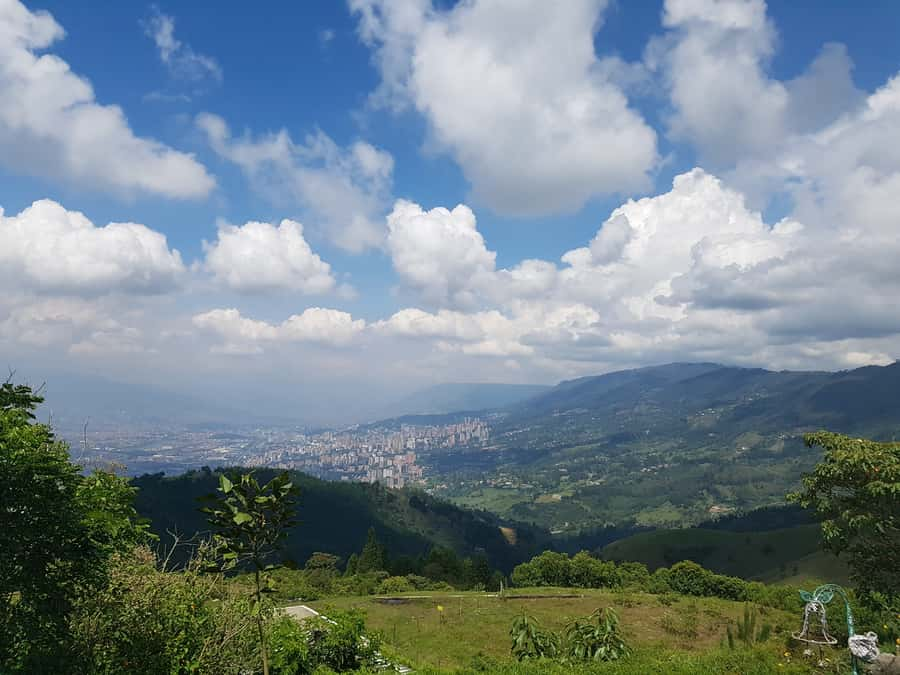
I would recommend this tour to you if you want to understand Medellín through one of its most difficult periods. It suits people interested in Colombian politics, organized crime, modern history, and the way public memory can split between admiration and grief.
It is also a good choice if you prefer asking questions as you go. A private group gives you more control than a large coach tour, and guides such as Carlos and Sara appear comfortable handling detailed questions.
You should think twice if you dislike crime stories or do not want to hear about murder and cartel violence. The experience includes disturbing material, and the tone is not designed as harmless entertainment.
It may also be less useful if you have already studied the subject in depth and want a museum-style collection of documents or artifacts. The main strength here is access to places and the explanation connecting them.
How to approach the Escobar story responsibly
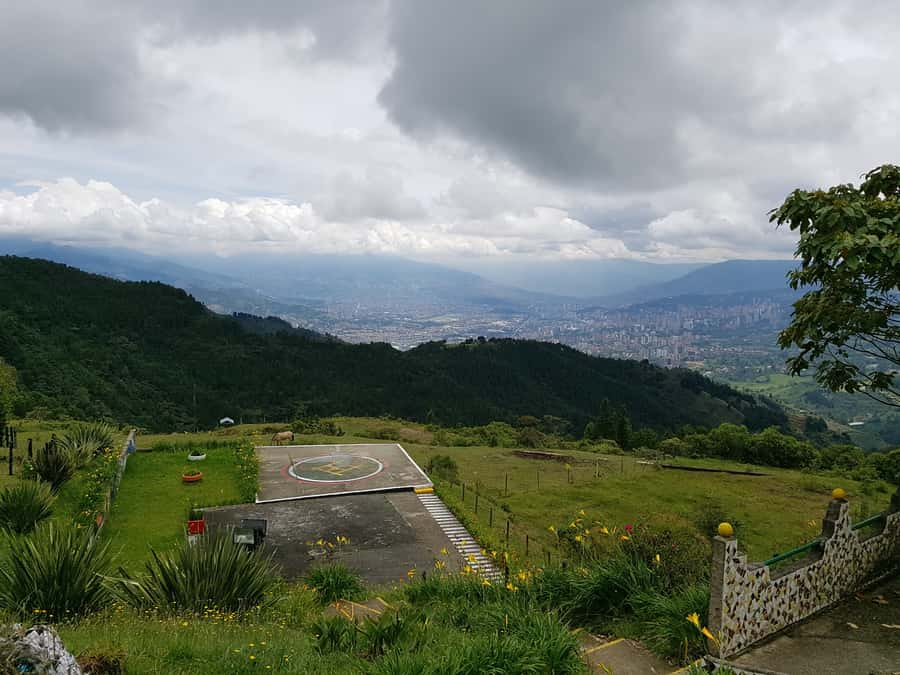
The most important tip is to keep the victims in view. Escobar’s money, escapes, and final moments can make a dramatic story, but the human cost is the real subject.
Listen for the difference between reputation and reality. Some people revered Escobar because he gave money to poor communities. Others saw him as responsible for the deaths of relatives, friends, police officers, public officials, and rivals. Both reactions existed, but they do not carry the same moral weight.
The tour’s best use is to understand how someone could gain influence while creating terror. It also shows how criminal groups can exploit weak institutions, public anger, and inequality. You will get more from the experience if you focus on those larger questions rather than treating Escobar as a glamorous outlaw.
The guide’s role is especially important here. Carlos and Sara are praised for being professional and able to explain the details without reducing the story to a simple hero-versus-villain plot. Ask for clarification when a timeline or cartel connection is unclear. You have paid for a private conversation, so use it.
Should you book the Medellín Pablo Escobar tour?
Book it if you want a serious, place-based account of Escobar’s rise and fall, and if private transport and a personal guide are worth the $135 price. The prison, Monaco building ruins, final home, and death site create a clear route through the story.
I would especially choose it for a first visit to Medellín when you want historical context that goes beyond postcard attractions. I would skip it if you want a cheerful city outing, dislike disturbing subjects, or prefer a formal museum with extensive exhibits.
For the right person, this is a focused and useful four hours. Go ready to listen, ask questions, and remember that the story belongs not only to Pablo Escobar, but also to the thousands of people harmed by his choices.
FAQ
How long does the Pablo Escobar private tour last?
The tour lasts four hours.
What languages are available?
A live guide is available in English or Spanish.
Is hotel pickup included?
Yes. Pickup and drop-off are included from hotels in El Poblado and Laureles. If you stay in another area, contact the local operator after booking for meeting-point details.
What locations does the tour visit?
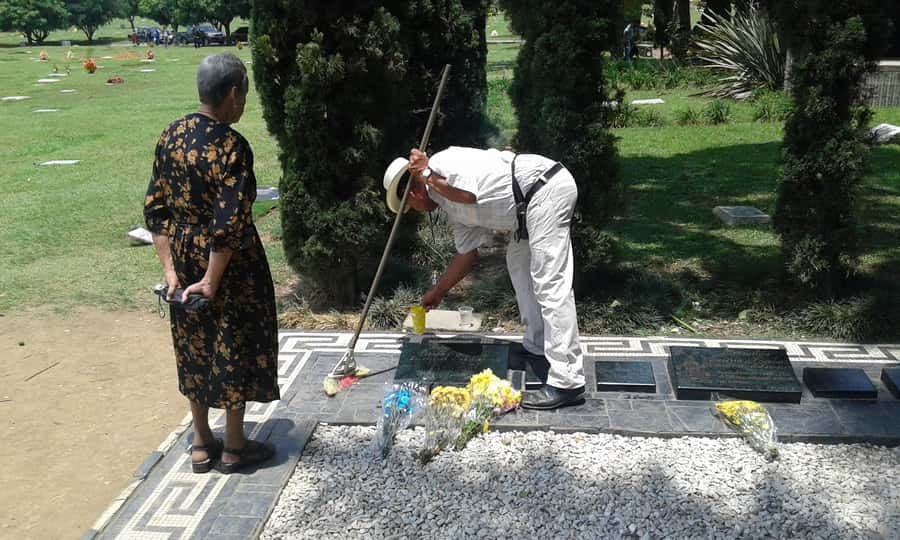
The route includes Escobar’s self-designed prison, the Monaco building ruins, the last house where he lived, and the place where he was killed.
Is food or lunch included?
No. Food, drinks, and lunch are not included.
What should I bring?
Bring your passport or ID card. Alcohol and drugs are not allowed on the tour.
Just added in Medellín
- City tour, Commune 13, Metro Cable, Botero Park and more. Private★ 5.0 · 34 reviews
- Aerial Hammocks, Zip and Waterfall Trek on Medellin Private Tour★ 5.0 · 39 reviews
- Commune 13, Graffitour street food. History.All inclusive★ 5.0 · 35 reviews
- Barrio transformation and urban escalator of Comuna 13★ 5.0 · 47 reviews
- Walking tour downtown Medellín★ 5.0 · 39 reviews
- Tour to the Hacienda Nápoles Theme Park★ 4.0 · 22 reviews
- Hiking Mountains and Magical Forests★ 5.0 · 27 reviews
- Tour Santa Fe de Antioquia★ 5.0 · 46 reviews
Pablo Escobar Tours, compared.

Guatapé Day Trip & Boat to Pablo Escobar’s Estate
Read our review →

(Private Guatapé) Mansion Pablo Escobar+Paintball+Cuatrimoto+Boat
Read our review →Browse the lists this tour appears in