
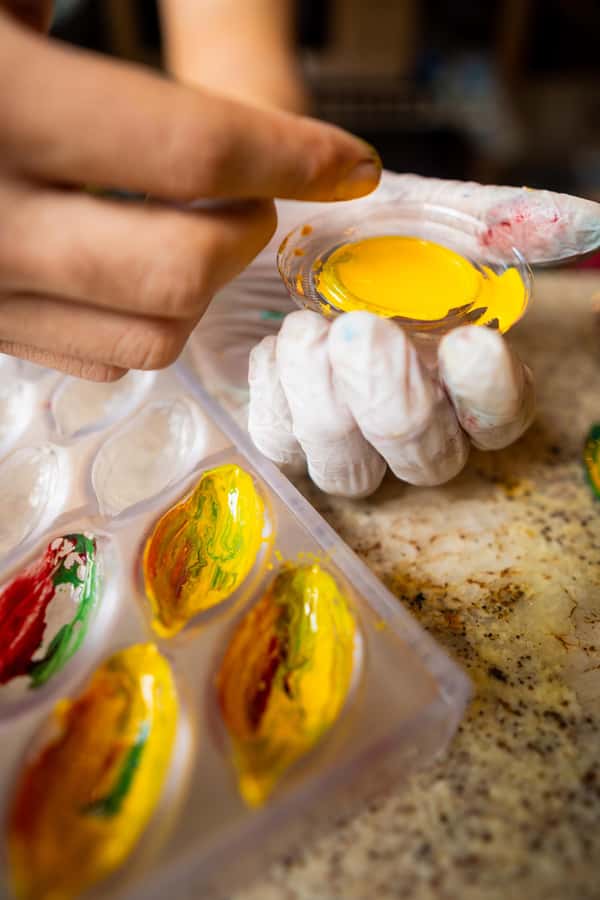
Reviewed · WORKSHOPS
Bean to Bar: Cocoa and Chocolate Workshop
The best part of this 105-minute chocolate workshop is that you do not simply taste a finished bar. You follow cacao from bean to chocolate, then work with it yourself. Guide Alejandra has been praised for her energy, clear answers, and genuine love of the process. I like the private format and the chance to handle several percentages and origins, from 40% white chocolate to 100% pure cocoa. I also like that the class works well as an indoor plan when Cartagena’s weather turns wet.
The main consideration is the $101 price per person. That is a serious spend for less than two hours, so this makes the most sense if you want instruction and hands-on making, not just a quick tasting. People with food allergies should not book, and stain-friendly clothing is a smart choice.
Key points at a glance
- A private class with Alejandra: You get direct instruction in English or Spanish, rather than being folded into a large public group.
- See cacao change form: The workshop covers roasting, separation, and the move from bean to finished chocolate.
- Taste across the spectrum: Samples include white chocolate at 40%, milk at 46%, dark at 80%, pure cocoa at 100%, and blends.
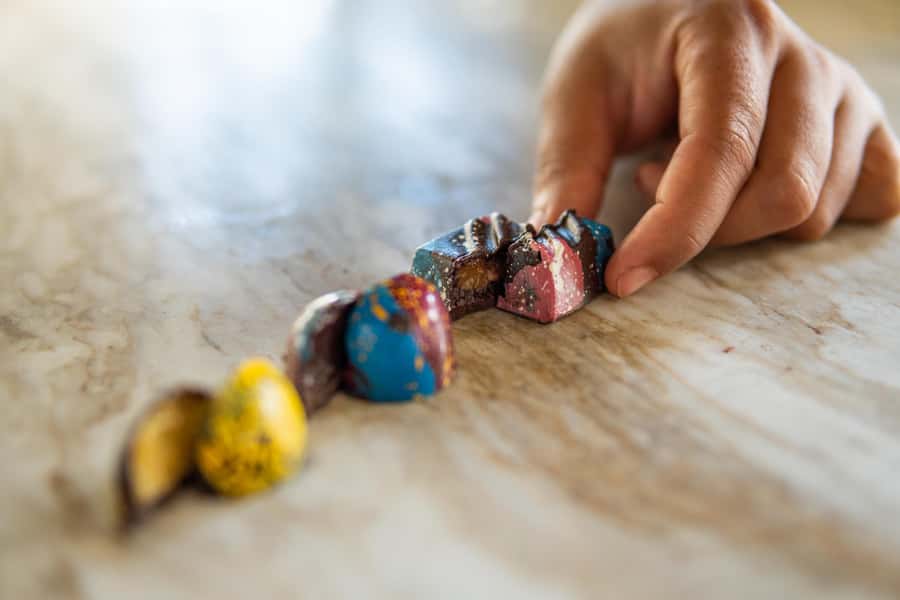
- Make your own chocolate: You may shape bonbons, truffles, or chocolate bars with help from the artisans.
- A useful rainy-day plan: The class takes place indoors in a fully equipped chocolaterie.
- Easy central meeting point: Meet at the pink, two-story building near the beginning of Arsenal Street, across from the convention center.
Meeting your chocolate guide near Arsenal Street
The meeting point is easy to recognize if you know what to look for. At the beginning of Arsenal Street, around the corner and across from the convention center, find a two-story pink building with wooden barrels outside. The barrels advertise free hugs, which is a more memorable marker than a plain shop sign.
Your host takes you from there to the exact room where the workshop happens. You receive a confirmation email and a calendar invitation, so give the operator both your email address and your phone number with the area code when booking.
The class is private, which matters here. Chocolate making involves questions, tasting, touching, and small decisions about texture and shape. A private group gives you room to ask why cacao behaves differently at different percentages, or to slow down when you are trying to form a bonbon. The format also makes the experience feel more like a lesson than a staged demonstration.
The available instruction is in English or Spanish. Alejandra has been singled out for her enthusiasm and her ability to answer questions, making her an important part of the experience. Ask her about the cacao varieties used in Colombia and how the different chocolates on the table compare.
A few more trips around Cartagena worth a look
- Cartagena: Pub Crawl with Dancing Lessons and Free Shots
★ 4.2 · 211 reviews - Specialty Coffee Workshops in Cartagena
★ 5.0 · 34 reviews - Cartagena Instagram Mobile Workshop: Scenic and Trendy Shots
★ 5.0 · 5 reviews
Inside the fully equipped chocolaterie
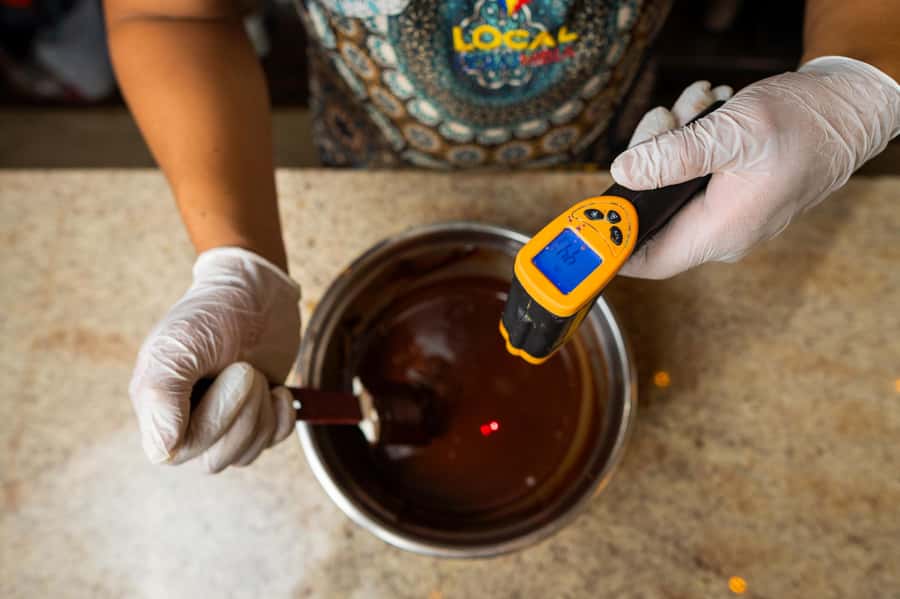
The workshop begins with an introduction to the chocolaterie. You see the machinery and the work area before taking part in the hands-on portion. That setting gives the class useful context: chocolate is not just melted candy, but a careful process involving heat, separation, blending, and timing.
Some of the preparation may already be complete before you arrive. That is not necessarily a flaw. It lets you spend more of the 105 minutes learning and making, instead of waiting for every stage to finish. At the same time, you should not expect to perform every industrial or production step from raw cacao all the way to a finished bar.
One practical detail comes from the timing of the class. On a Sunday, the local production area may not have staff actively working, but you can still receive access to the area and see the machinery. If watching a busy production floor is your top priority, ask about the day and time before booking. If your main aim is a guided chocolate lesson, the quieter setting can make it easier to focus.
The machinery adds value because it shows the scale and care behind the product. You can hear the equipment, smell freshly made chocolate, and connect the finished sample with the work that came before it. The lesson is especially useful for people who usually see only polished bars in a shop and want to understand what happens before packaging.
From cacao bean to chocolate bar
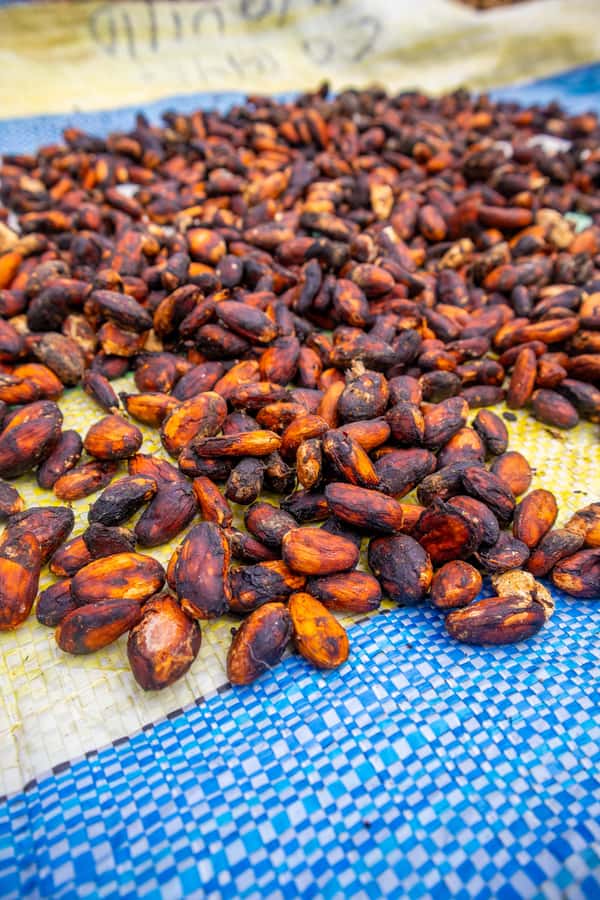
The central lesson follows cacao through several stages. You learn about roasting, separation, and the transition from bean to chocolate. Each stage helps explain why cacao has different flavors, textures, and uses.
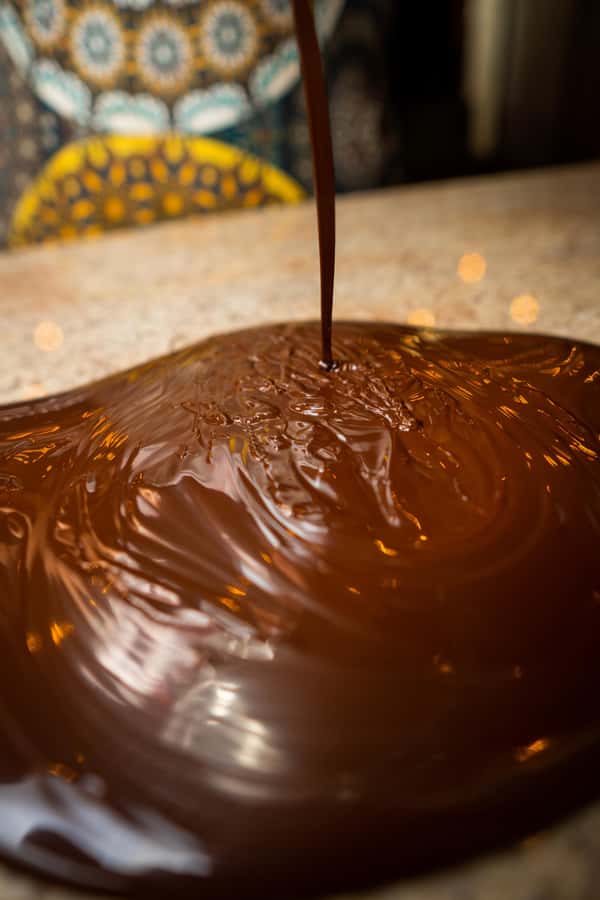
Roasting is one of the key moments. Heat changes the aroma and character of the cacao, so seeing this part of the process makes the later tasting more meaningful. Separation also matters, since cacao must be broken down and sorted into parts that contribute to the chocolate mixture.
The class places this work in a Colombian setting. You learn why different cacao varieties matter at a national level, not simply as abstract ingredients. That connection gives the workshop a sense of place. You are not only making a sweet treat in a generic kitchen, but learning about a product tied to Colombia’s agriculture and food culture.
The process can also reset your expectations about sweetness. White, milk, dark, and pure cocoa do not offer the same experience. A 40% white chocolate can taste very different from an 80% dark chocolate, while 100% pure cocoa is a much more intense ingredient than a ready-to-eat confection.
The instructor helps you make those comparisons in a practical way. Notice how aroma changes, how the chocolate feels in your mouth, and how much sugar seems to shape the experience. The point is not to declare one percentage best. It is to understand why each one behaves differently in a recipe.
Tasting five chocolate styles and origins
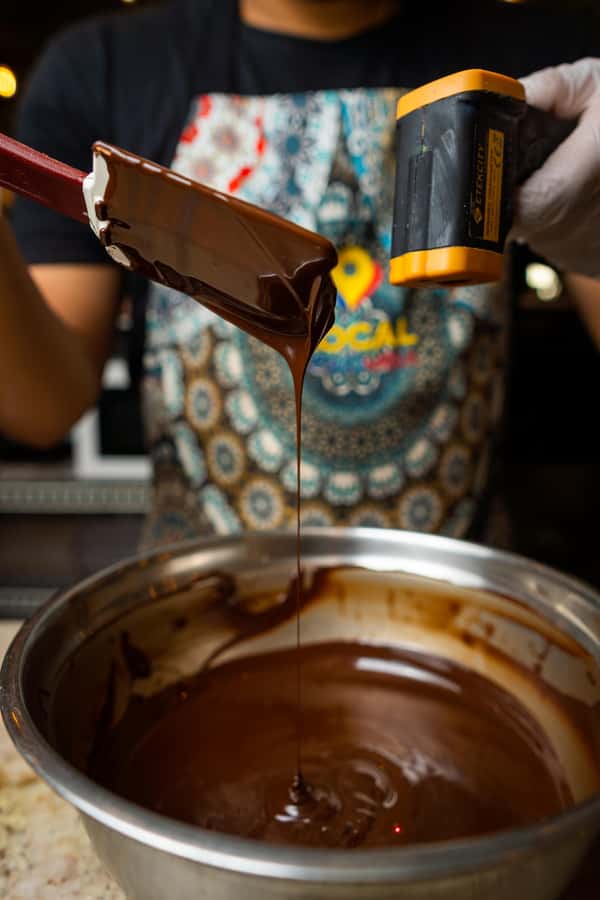
The included chocolate selection covers several percentages and origins. You may work with:
- White chocolate at 40%
- Milk chocolate at 46%
- Dark chocolate at 80%
- Pure cocoa at 100%
- Blends of these chocolates
This range is one of the stronger parts of the workshop. It gives you a way to compare chocolate by more than brand or appearance. You can see how percentage affects bitterness, sweetness, body, and balance.
The 100% cocoa deserves special attention. It is not the same as a sweet chocolate bar, and it may be too forceful for some palates when tasted alone. In a workshop, though, it helps you understand the base ingredient before sugar and other ingredients change its character.
The blend samples are useful for another reason. Chocolate making is partly an exercise in proportion. A blend can soften the intensity of dark cocoa or add creaminess and sweetness to a recipe. If you enjoy experimenting in the kitchen, this part may be as valuable as the final molding.
I would treat the tasting as a lesson rather than a free-for-all snack stop. Pay attention to the differences, ask questions, and remember which combinations appeal to you. You leave with a better sense of what kind of chocolate you prefer and how that choice might affect a dessert.
Same city, a different sort of day:
- Cartagena: Historic Center and Getsemaní Shared Walking Tour
★ 4.9 · 2,716 reviews - Cartagena: Rosario Islands Catamaran with Lunch and Snorkel
★ 4.5 · 2,479 reviews - Full-Day Rosario Islands Including Barú, Bocachica & Playa Blanca
★ 4.0 · 1,729 reviews - Cartagena de Indias: 2-Hour Sunset Cruise
★ 4.7 · 1,105 reviews
Making bonbons, truffles, or bars
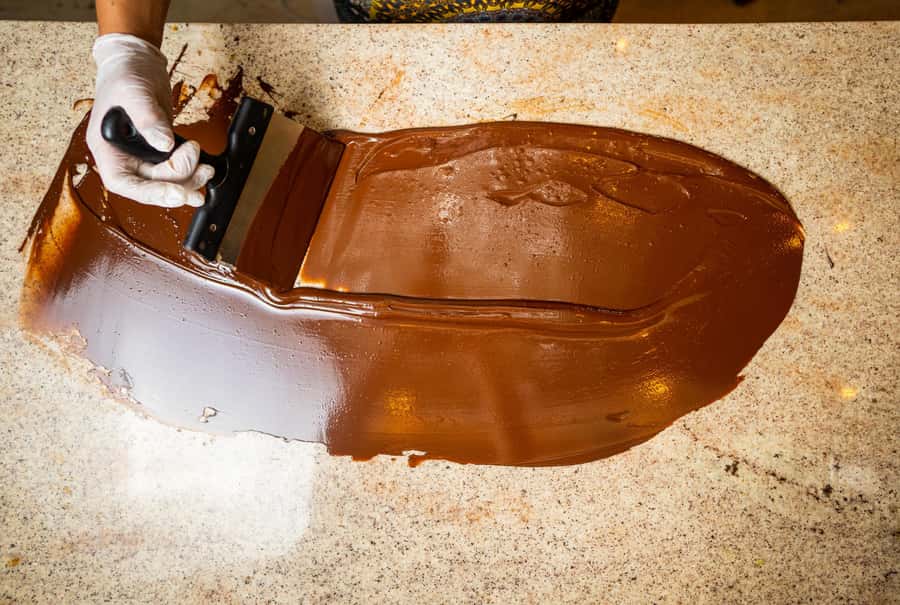
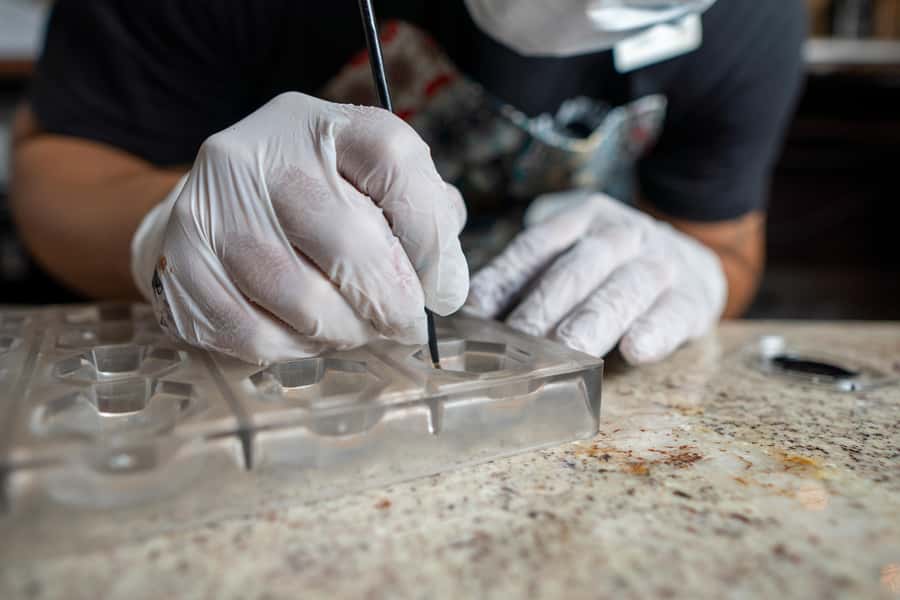
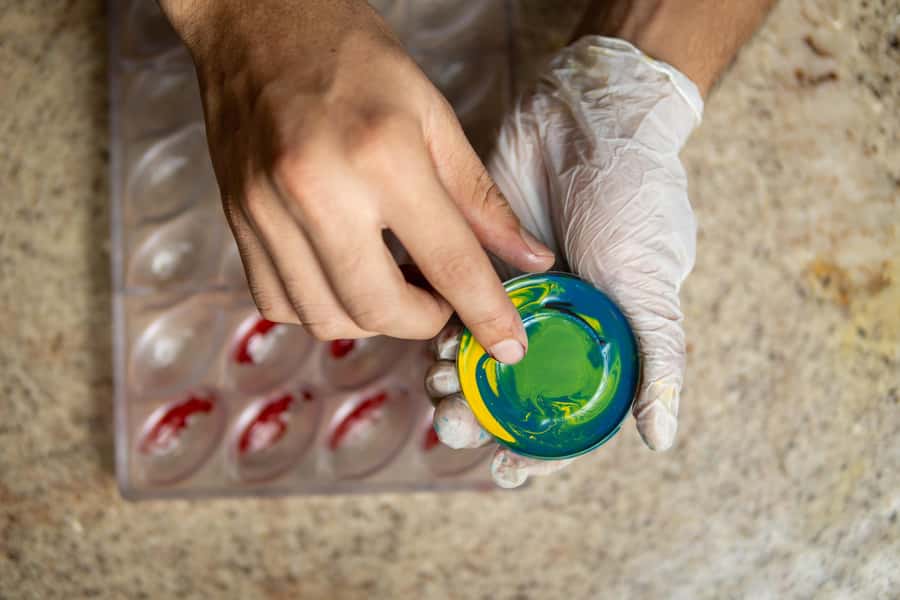
After the explanation and tasting, you take part in the creative work. Under the guidance of the artisans, you may make bonbons, truffles, or chocolate bars. The exact choice gives the class a personal edge, since you are not simply repeating one identical item with everyone else.
Bonbons let you focus on shape and finish. Truffles offer a more generous, soft-centered style. Bars are the most direct option, turning the workshop into a simple bean-to-bar exercise in miniature. The supplied information does not promise a fixed choice for every session, so ask the guide what is available when you arrive.
This is where the private format earns its keep. Chocolate can be fussy. Texture, temperature, and handling all affect the result, and a skilled artisan can correct small mistakes before they become bigger ones. You also have space to experiment with the chocolate percentages and blends introduced earlier.
Do not expect a factory production line. The point is to understand the craft and make something with your own hands. Your finished chocolate may not look perfectly uniform, which is part of the fun. The important result is that you learn how the material responds and leave with something connected to your own choices.
The creative side suits both beginners and serious chocolate fans. A first-time maker can follow the guide step by step. Someone who already cooks or bakes can use the time to compare textures, test combinations, and ask more technical questions.
What makes the experience feel authentic
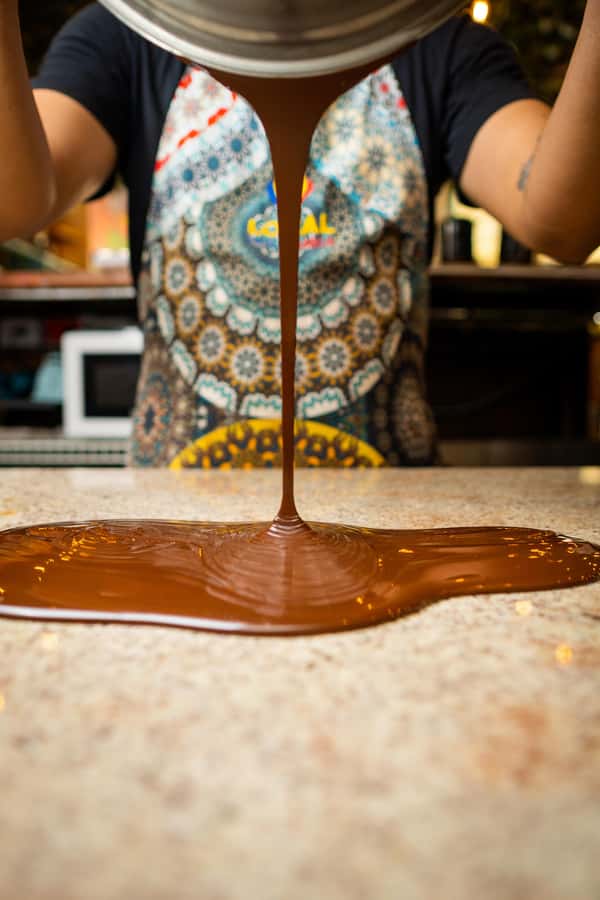
The strongest local element is the attention to Colombian cacao varieties and their national importance. The workshop does not stop at the familiar idea that Colombia produces cocoa. It connects the ingredient to farming, origins, processing, and the choices that shape the final chocolate.
That connection matters in Cartagena, where many food activities focus on eating prepared dishes. Here you learn about an ingredient before it reaches the plate. The experience offers a different way to connect with Bolívar and Colombia, through a product that passes from agriculture to skilled local production.
The setting also helps. You are brought into a real chocolaterie with production equipment, rather than attending a purely decorative tasting in a hotel room. On a quiet day, the work area may not be active, but you still see where the chocolate is made and how the process is organized.
The result is not a broad tour of Colombian food. It is a focused lesson about cacao and chocolate. That narrow subject is a strength if you are curious about craft and ingredients. It may feel limited if you want a general city tour or a long cultural program.
Is $101 per person a fair price?
At $101 per person, this is not a bargain activity. You are paying for a private group, a 105-minute lesson, an English or Spanish-speaking instructor, access to a production area, tastings across several chocolate types, and hands-on making.
The value depends on how you use the class. If you only want to eat chocolate, the price will likely feel high. You can find sweets for far less. If you want personal instruction, a look at the machinery, an explanation of Colombian cacao, and the chance to make your own bonbons, truffles, or bars, the cost becomes easier to justify.
The private format is the biggest value factor. A large class might offer similar samples but less time for questions and less help with your own creation. Here, the direct attention can make the difference between watching a demonstration and actually understanding what you are doing.
The five-star feedback is consistent about the guide, the taste, and the educational side. Alejandra’s passion is repeatedly emphasized, and the chocolate made during the class has been described as especially good. That praise points to the instructor as a major reason to book, not simply the equipment or the ingredients.
Still, check your priorities. A 105-minute class is long enough for a proper introduction and a finished creation, but not long enough for an exhaustive study of cacao. Some preparation is done ahead of time, and Sunday may be quiet in the production area.
Practical tips before you book
Wear comfortable clothing that can handle a chocolate mark. The activity recommends stain-friendly clothes, and that advice is worth following. An apron may be provided as part of the work setting, but the safe choice is to dress as if a little chocolate could land where it should not.
Do not book if you have food allergies. Chocolate products and blends can contain ingredients that are unsuitable for you, and the activity specifically lists people with food allergies as unsuitable participants.
Plan to arrive at the pink building on Arsenal Street rather than wandering around looking for a separate workshop entrance. Look for the wooden barrels outside and allow enough time to identify the meeting point before the class begins.
If you care about seeing active production, ask about the schedule. The production area may be quiet on Sunday, with no one actively working, though you can still access the space and take part in the lesson.
The flexible booking terms are useful for a changing trip plan. You can reserve now and pay later, and cancellation is free up to 24 hours in advance for a full refund. Check the available starting times before committing, since the class lasts 105 minutes.
Who should book this chocolate workshop?
I would recommend it to you if you enjoy food experiences that explain how a product is made. It is particularly good for couples, families with suitable dietary needs, friends, and solo visitors who want a private activity rather than a crowded group tour.
It also makes sense as a rainy-day plan. The work is indoors, and the machinery, aroma, tasting, and making give you a useful alternative to walking around Cartagena in poor weather.
Chocolate fans will get the most from the tasting range and the chance to compare percentages. Beginners should not worry about needing special skills. The class is designed to let you learn by doing, with artisans guiding the process.
I would hesitate if you are looking for the cheapest activity in Bolívar, a long production tour, or a general introduction to Cartagena. The focus is tight, the time is limited, and the price is high for the duration.
Should you book it?
Book this if you want a personal, hands-on lesson with a strong Colombian cacao connection. The combination of Alejandra’s enthusiastic teaching, five chocolate styles, access to a real chocolaterie, and your own bonbons, truffles, or bars gives the experience real substance.
Skip it if you only want a quick tasting or if food allergies make chocolate sampling unsafe. For everyone else, the best reason to book is simple: you leave knowing more about what is in your chocolate and how much careful work it takes to turn a cacao bean into a bar.
FAQ
Where does the chocolate workshop meet?
Meet at the beginning of Arsenal Street, around the corner and across from the convention center. Look for a two-story pink building with wooden barrels outside promoting free hugs. The host takes you to the exact workshop location.
How long does the activity last?
The workshop lasts 105 minutes. Starting times vary, so check availability when you choose your date.
What languages are available?
Instruction is available in English and Spanish.
Is the workshop private?
Yes. The activity is offered as a private group.
What kinds of chocolate are included?
The experience includes chocolate in several percentages and origins, including 40% white chocolate, 46% milk chocolate, 80% dark chocolate, 100% pure cocoa, and blends.
Can I cancel or pay later?
You can reserve now and pay later. Cancellation is free up to 24 hours in advance for a full refund.
Just added in Cartagena
- Cartagena: CITY TOUR IN ENGLISH, Old city, Monuments, Castle★ 4.4 · 5 reviews
- Cartagena: White Night Boat Tour with Dinner and Open Bar★ 4.6 · 12 reviews
- Cartagena: Speed Boat Party on the Bay with open bar★ 4.3 · 12 reviews
- Cartagena: Sunset in boat in the bay with music and liquor★ 4.5 · 46 reviews
- Cartagena: Walled City Walking Tour★ 4.4 · 26 reviews
- Cartagena Travel Memories: A cover magazine Photo Shoot★ 5.0 · 8 reviews
- Cartagena: Tour the emblematic Cerro de la Popa★ 4.5 · 6 reviews
- Cartagena: Islabela Islands Boat Trip with Lunch & Cocktail★ 4.1 · 41 reviews
Workshops, compared.
Fun Graffiti Workshop: The Art of Aerosol and Color
Read our review →
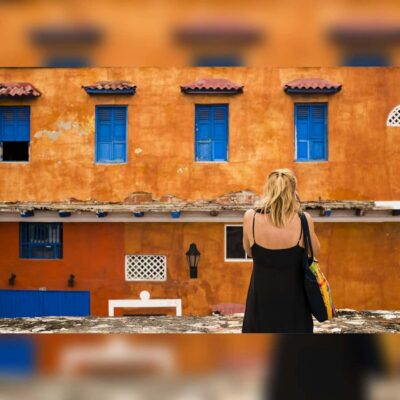
Cartagena Instagram Mobile Workshop: Scenic and Trendy Shots
Read our review →
Browse the lists this tour appears in