
Reviewed · SAN BASILIO DE PALENQUE TOURS
Cartagena: Palenque Tour and Road to Emancipation
San Basilio de Palenque is not just a day trip from Cartagena. It is a living Afro-Colombian community with its own language, music, food, and traditions, shaped over more than 400 years. I like the way this tour puts local people at the center, especially through the dance and drum session and meetings with residents who keep old knowledge alive.
I also like the honest treatment of slavery, resistance, and emancipation, along with the excellent local lunch. The main drawback is the road time and the pickup route across Cartagena. The drive can take more than an hour each way, and hotel pickups may stretch the six-hour schedule into seven hours or more.
Key points to know before booking
- San Basilio de Palenque: Visit a community known for preserving a distinct African identity, language, and customs in Colombia.
- Local voices: Guides such as Romeo and Damaso help connect the history to people living in Palenque today.
- Music and dance: Watch a performance, play drums, and learn traditional dance steps rather than simply observing from the sidelines.
- Palenquero culture: Stop at the museum house, Palenque Viejo, the town square, traditional medicine sites, and the home of folkloric rap group Kombilesa Mi.
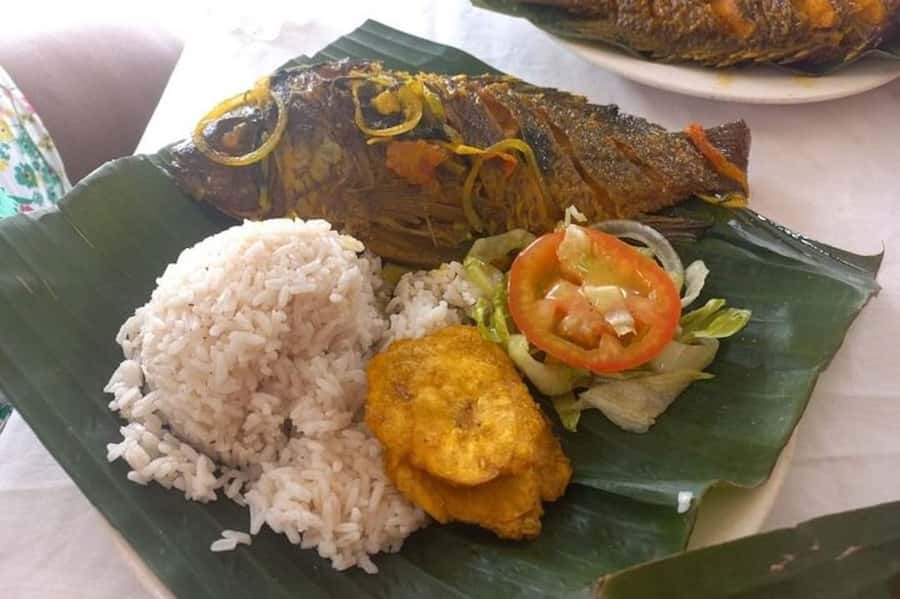
- Lunch included: Eat a typical Palenquero meal, with fish and chicken among the options mentioned by past participants.
- Plan for a long morning: Pickup starts around 8:00 a.m., and the full outing may last longer than the advertised six hours.
Why San Basilio de Palenque matters
San Basilio de Palenque is widely presented on this tour as the first free African town in the Americas. That simple description gives the outing its force, but the visit is about more than a historical label.
The community grew from escaped enslaved Africans who built a place where they could preserve their freedom and cultural identity. Over generations, Palenque maintained customs that were changed or lost elsewhere. You will hear about this past, but you will also see how culture works in the present through music, language, food, dance, medicine, and family memory.
That balance is important. A visit here should not reduce Palenque to a stop on a slavery-history route. The town is a home, not a museum set. This experience gives you a chance to learn from local dancers, musicians, artisans, and people who practice traditional medicine.
I especially value the way the tour links the past to current life. The subject of slavery is handled directly, yet the day is not gloomy. Music, humor, movement, and conversation give the history a human shape.
More Palenque trips from Cartagena
- Cartagena: Palenque´s tour, dance show, lunch, pick-Up inclu
★ 4.7 · 182 reviews - Tour a san Basilio de Palenque desde cartagena
★ 5.0 · 123 reviews - Mud Volcano and Palenque Cultural Experience
★ 5.0 · 61 reviews
The road from Cartagena to Palenque
Pickup begins at different times depending on where you stay. If you are in Cartagena’s historic center, meet at the Clock Tower at 8:00 a.m. Pickup in Bocagrande, Castillo Grande, and Laguito is scheduled between 8:20 and 8:45 a.m. Hotels in Marbella, Cabrero, Crespo, Cielo Mar, the northern zone, and Manzanillo del Mar have later pickup windows, roughly from 8:50 to 9:30 a.m.
If you stay in Manga or on Barú Island, the instructions say to reach the Clock Tower at 8:00 a.m. Check your meeting point carefully. The pickup system covers a wide part of Cartagena, which is convenient but can add time before the vehicle heads out of the city.
Transportation is by private, air-conditioned vehicle. The ride to Palenque has been described as a little over an hour, though the complete journey depends on traffic and the number of hotel stops. I would bring water, sun protection, and patience. One vehicle was reported as having weak air conditioning and a rough suspension, while another was described as comfortable enough. This is not a luxury transfer.
The guide usually fills the drive with background on Palenque and the history of Afro-Colombian communities. Romeo has been praised for his humor, clear explanations, and ability to connect with people in town. Other groups have been led by Daison Batista Marimon, David, Andres, or local guides such as Damaso. The exact guide can vary, but the arrangement generally combines an English or Spanish-speaking guide with local people in Palenque.
Arriving at the town square
The town square is a useful first stop because it gives you a sense of Palenque as a real community rather than a collection of attractions. From here, the tour moves through several locations on foot or by short transfers, with explanations from the guide and local hosts.
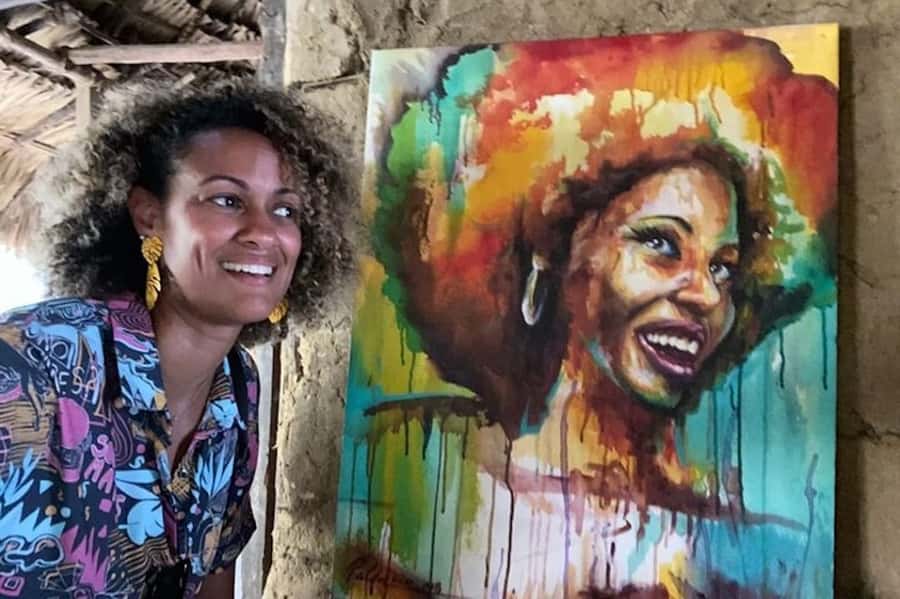
Expect colorful murals, public art, and a slower pace than in Cartagena. This is a place to look closely. The painted walls, music, and local businesses help show how Palenquero identity appears in everyday life.
Your guide may translate between English and Spanish and the local Palenquero language. That translation matters because some of the most personal explanations come from residents themselves. You are not just being told about a tradition by someone passing through. You are hearing from people tied to the town.
The visit is educational, but it is also social. Guides have been described as friendly and funny, and some know many people in Palenque. That connection can make the experience feel less formal and more like an introduction to a community.
Language, drums, and the dance show
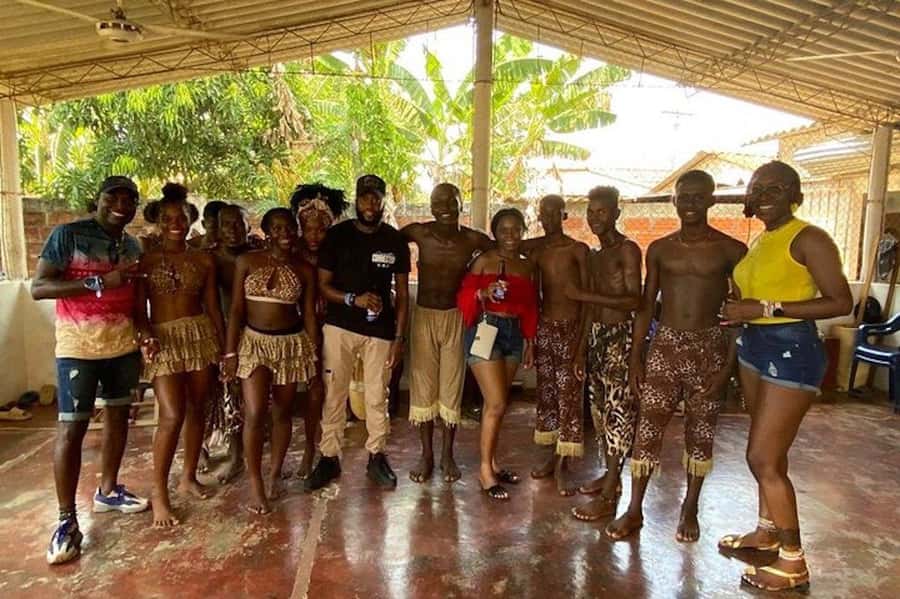
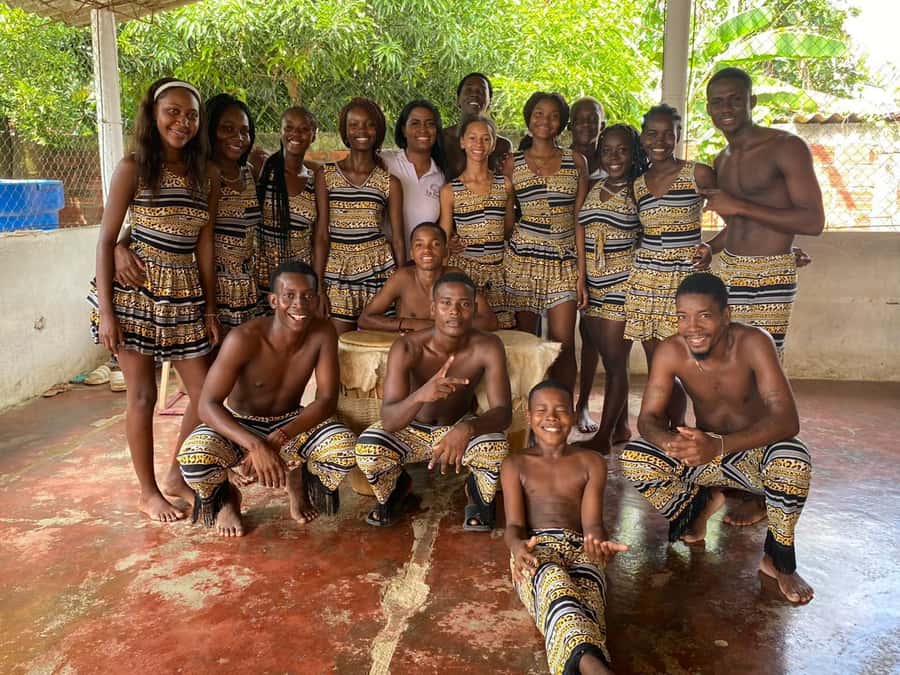
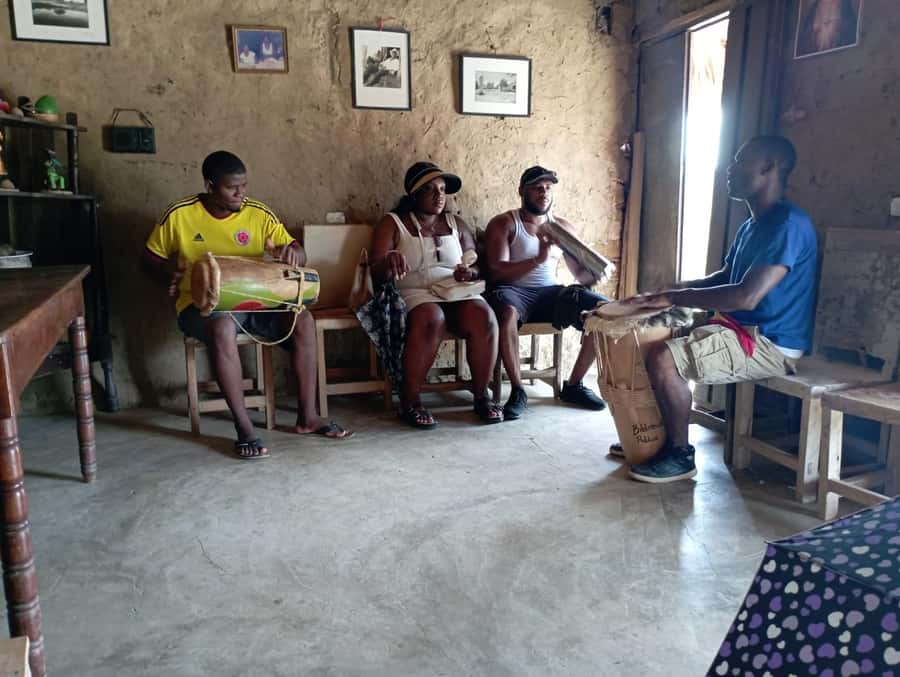
The music portion is one of the strongest reasons to choose this tour. You watch a traditional dance performance, learn some dance steps, and get the chance to play drums. This is participatory, so bring a willingness to join in even if your rhythm is uncertain.
The performance is not presented as a polished stage show disconnected from daily life. Local dancers and musicians help explain what they are doing, and the activity gives you a direct way to feel the role of music in Palenque culture.
You will also learn some words from the Palenquero language, which has roots in Bantu languages from Guinea and the Congo. The language lesson is brief, but it adds an important layer to the visit. It shows that emancipation was not only about escaping physical control. It was also about protecting speech, memory, names, customs, and community rules.
The atmosphere can be joyful and energetic. Several people have described joining the dancers, including birthday celebrations during the performance. If you prefer to watch quietly, you can do that, but the tour is at its best when you take part.
Keep some small cash available if you want to tip performers or local hosts. Tipping is not listed as an included feature, but it may be appropriate for personal performances and teaching.
A few more trips around Cartagena worth a look
- Cartagena: Historic Center and Getsemaní Shared Walking Tour
★ 4.9 · 2,716 reviews - Cartagena: Rosario Islands Catamaran with Lunch and Snorkel
★ 4.5 · 2,479 reviews - Full-Day Rosario Islands Including Barú, Bocachica & Playa Blanca
★ 4.0 · 1,729 reviews - Cartagena de Indias: 2-Hour Sunset Cruise
★ 4.7 · 1,105 reviews
Kombilesa Mi and the sound of modern Palenque
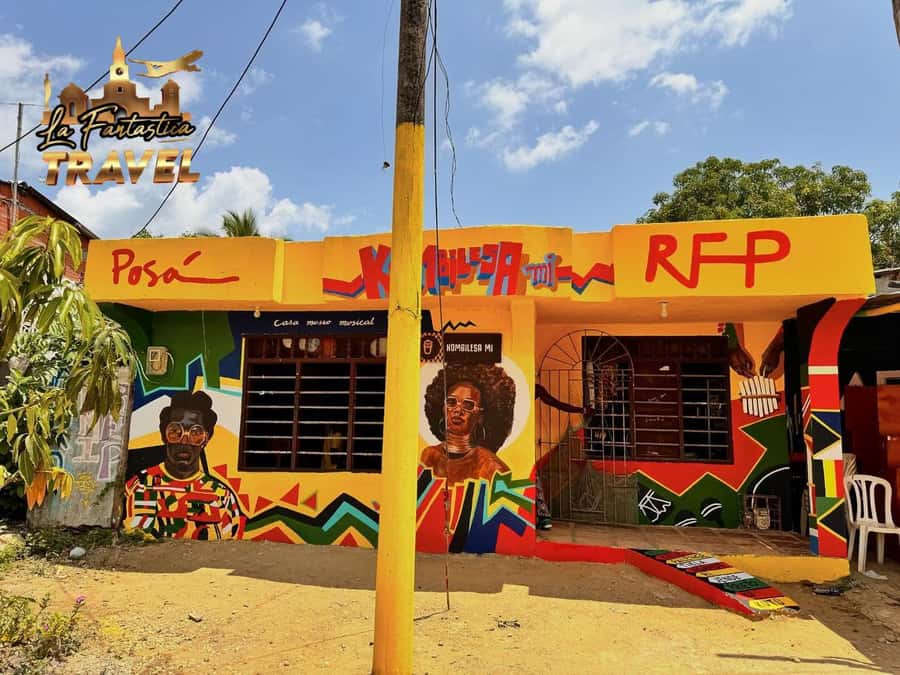
The tour stops at the home of Kombilesa Mi, a folkloric rap group connected to Palenque. This is a worthwhile stop because it shows that local culture is not frozen in the past.
Traditional rhythms and language can move into modern music without losing their roots. The group offers a way to understand how young people and contemporary artists carry Palenquero identity forward. That makes the visit more interesting than a simple lesson about old customs.
The schedule may not provide a long concert or extensive shopping time. One person wished there had been more opportunity to buy souvenirs. If you want local crafts or products, ask your guide early in the day about what is available and how much time you will have.
Museum house and Palenque Viejo
The museum house gives the tour a more organized historical setting. It helps explain the community’s origins, the effects of slavery, and the way Palenque maintained its identity within Colombia.
Palenque Viejo adds another layer. The stop connects the present town with earlier settlement and resistance. Your guide provides the context, so listen closely rather than expecting a large museum with many formal displays.
The most valuable part of these stops is the connection between objects, places, and oral explanation. A small museum may not have the scale of a major Cartagena attraction, but the local setting gives the history a personal quality.
I would not rush through these visits. The story is not only about a famous founder or a single act of escape. It is about generations of people protecting a community and passing its customs onward.
Traditional medicine and community knowledge
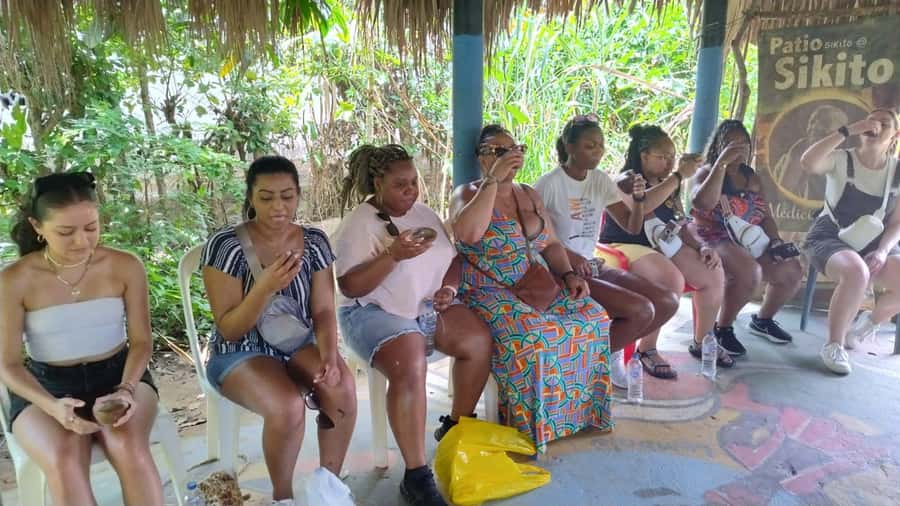
The traditional medicine stop introduces you to local herbal knowledge and the role of the curandero, or traditional healer. This part of the tour is especially useful for understanding how practical knowledge can serve a community.
You may hear about plants, roots, and remedies passed down through families. The visit is not a replacement for medical advice, and you should treat any remedy as cultural information unless a qualified medical professional tells you otherwise.
Still, the stop has real value. It shows another way history survives: not only in monuments and books, but also in recipes, plant knowledge, stories, and daily care. One person wished there had been a chance to buy a bottle of local herbal preparation. That suggests you should ask about products before leaving, but do not assume purchases are included or available.
A Palenquero lunch worth making time for
Lunch is included and is one of the practical strengths of the tour. Meals have included fish cooked in coconut milk and chicken, with a sugar cane drink also receiving praise. The exact choices may vary, so ask your guide about the day’s options.
This is more than a convenient meal between stops. Local food gives you another route into the culture. Ingredients and cooking methods reflect the Caribbean setting and the community’s African heritage, and eating in Palenque keeps the day connected to local life.
The meal is also part of the value calculation. At $108 per person, the price is not low for a six-hour excursion, especially if you compare it with a basic Cartagena city tour. But private transportation, a bilingual guide, the dance program, local interpretation, water, and lunch are included.
The price makes more sense if you want the historical and cultural context, not just a ride to take photographs. It would make less sense if you plan to spend only a few minutes in town or prefer independent exploration without scheduled activities.
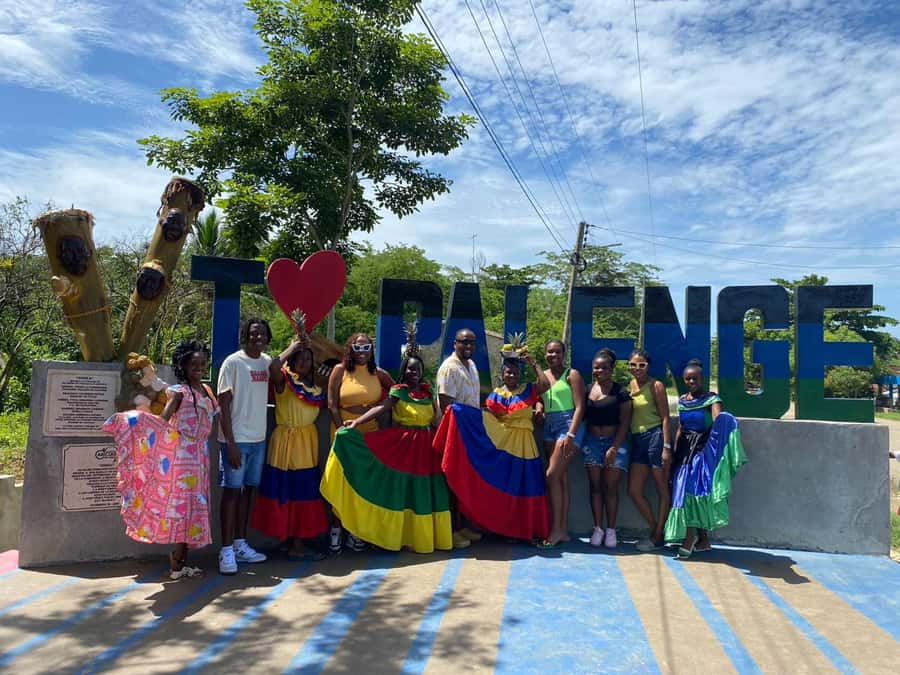
The Palenquito photo stop
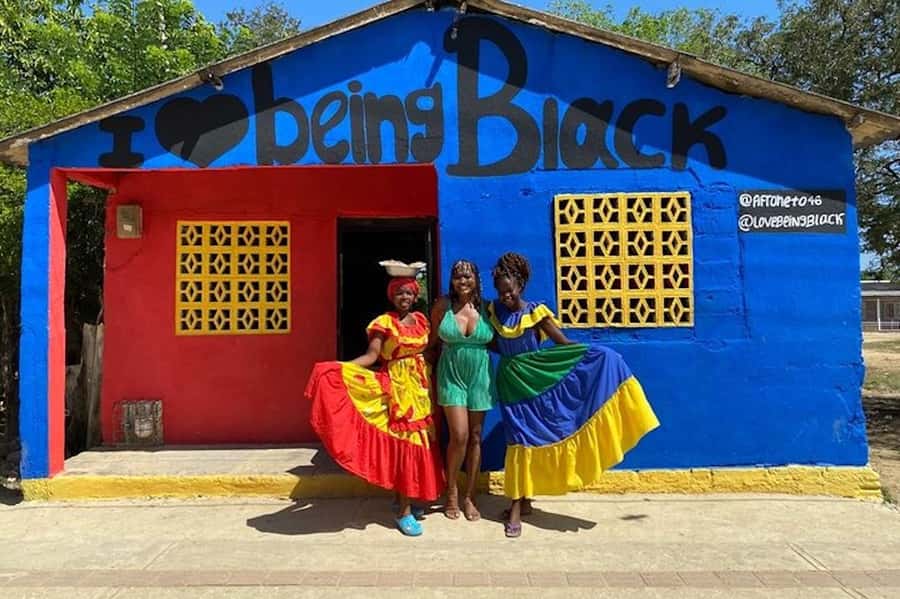
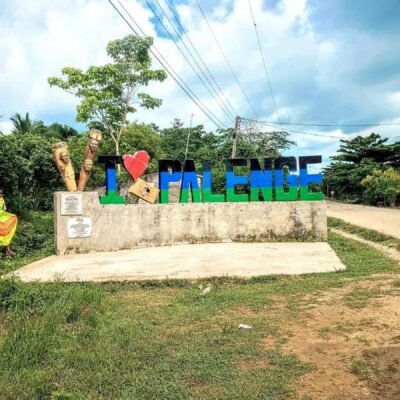
On the way, the vehicle stops briefly at Palenquito in María La Baja for photographs beside the letters spelling YO AMO A PALENQUE. This is a five-minute stop, so treat it as a quick picture break rather than a separate attraction.
It gives you a simple travel photo and a pause during the road journey. Do not expect a long visit or a chance to explore the surrounding area.
The route also passes through Turbaco. There is no scheduled sightseeing stop there, but the drive helps place Palenque within the wider area around Cartagena and Bolívar.
Timing, comfort, and practical details
The advertised duration is six hours, but you should allow more. Pickup from several parts of Cartagena can take time, and some people have reported an outing lasting over seven hours.
The tour begins in the morning, which helps you reach Palenque before the hottest part of the day. Even so, bring sunscreen, a hat, and light clothing. Umbrellas have been available for people who did not bring one, but I would not rely on that.
Water is included. Air conditioning is provided, though vehicle comfort may vary. If you are sensitive to heat or motion, sit where you are most comfortable and carry any personal medication you need.
The tour is offered in English and Spanish. Because local explanations may be translated during the visit, the pace can sometimes feel slower than a standard guided walk. That is a fair trade for hearing directly from Palenque residents.
Free cancellation is available up to 24 hours before departure, and you can reserve now and pay later. Those terms help if your Cartagena plans are still moving, but confirm the pickup details after booking, especially if you are staying outside the historic center.
Who should choose this tour
I would choose this experience if you want to understand Cartagena beyond its walls, beaches, and colonial streets. It suits people interested in African diaspora history, Colombian culture, music, language, food, and community traditions.
It is particularly meaningful for visitors with family or cultural ties to Africa and the wider Black diaspora, though you do not need that background to appreciate the day. The guides explain the setting clearly, and the activities give you several ways to connect with it.
Families with older children may enjoy the drumming and dancing, but the history of slavery requires attention and maturity. Anyone looking for a quiet, private museum visit may find the music and participation more active than expected.
I would think twice if you have only a short time in Cartagena, dislike long road transfers, or want a polished sightseeing operation with guaranteed vehicle comfort. The route is long, pickup can be slow, and the schedule may run past six hours.
Should you book the Road to Emancipation tour?
Yes, if your main goal is a meaningful cultural visit rather than a quick attraction. The strongest parts are the local guides, the candid history, the Palenquero language lesson, the dance and drum session, and the chance to eat food from the community.
At $108, the tour asks you to pay for a full cultural program and private transport, not just a bus seat. I find that reasonable for the included lunch, guide, performances, and local interpretation, but the value depends on your interest in the subject.
Book it with enough time in your Cartagena schedule, arrive ready to participate, and expect the road journey to be part of the day. If you do, San Basilio de Palenque can become one of the most memorable and thought-provoking outings near Cartagena.
FAQ
How long does the Palenque tour last?
The advertised duration is six hours, but the outing may take longer because of hotel pickups, traffic, and the drive to and from San Basilio de Palenque. Some participants have reported spending more than seven hours on the full experience.
What time does pickup begin?
Pickup for the historic center is at 8:00 a.m. at the Clock Tower. Pickup from Bocagrande, Castillo Grande, and Laguito is between 8:20 and 8:45 a.m. Pickup from Marbella, Cabrero, Crespo, Cielo Mar, the northern zone, and Manzanillo del Mar is scheduled between 8:50 and 9:30 a.m.
Where do visitors staying in Manga meet the tour?
Visitors staying in Manga must reach the Clock Tower at 8:00 a.m. The same meeting point and time apply to visitors staying on Barú Island.
Is transportation included?
Yes. The tour includes private transportation in an air-conditioned vehicle, along with hotel pickup in the listed Cartagena areas or the Clock Tower meeting point.
Is lunch included?
Yes. A typical Palenquero lunch is included, and the tour information also lists water. Fish and chicken have been available as meal choices, though the exact menu can vary.
Is the tour offered in English?
Yes. The tour is offered in English and Spanish, with a bilingual guide. Local explanations may be translated during the visit.
What places are visited in San Basilio de Palenque?
The route includes the town square, the home of Kombilesa Mi, the museum house, Palenque Viejo, and a traditional medicine stop. It also includes a dance and drum activity.
Does the tour include a dance performance?
Yes. A dance show is included, and you can learn traditional dance steps and play drums during the cultural activity.
Can I cancel the booking?
You can cancel up to 24 hours in advance for a full refund. The tour also offers a reserve-now, pay-later option.
Just added in Cartagena
- Cartagena: CITY TOUR IN ENGLISH, Old city, Monuments, Castle★ 4.4 · 5 reviews
- Cartagena: White Night Boat Tour with Dinner and Open Bar★ 4.6 · 12 reviews
- Cartagena: Speed Boat Party on the Bay with open bar★ 4.3 · 12 reviews
- Cartagena: Sunset in boat in the bay with music and liquor★ 4.5 · 46 reviews
- Cartagena: Walled City Walking Tour★ 4.4 · 26 reviews
- Cartagena Travel Memories: A cover magazine Photo Shoot★ 5.0 · 8 reviews
- Cartagena: Tour the emblematic Cerro de la Popa★ 4.5 · 6 reviews
- Cartagena: Islabela Islands Boat Trip with Lunch & Cocktail★ 4.1 · 41 reviews
San Basilio de Palenque Tours, compared.
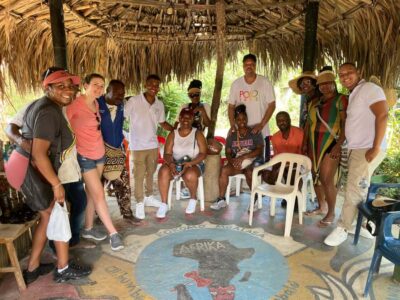
Palenque´s tour, dance show, lunch, pick-Up inclu
Read our review →
Tour a san Basilio de Palenque desde cartagena
Read our review →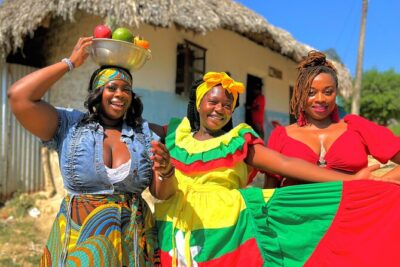
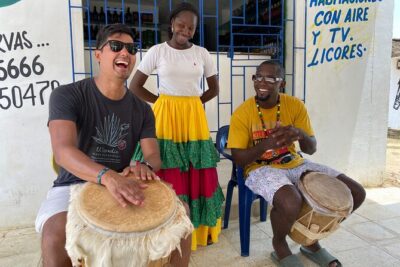
Visit Palenque with natives : history, culture and ancestral legacy
Read our review →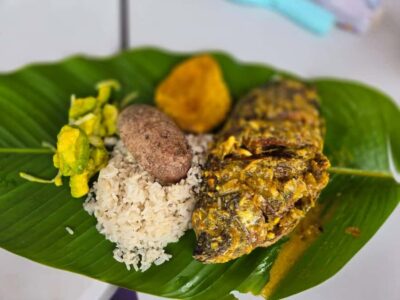
Browse the lists this tour appears in