
Reviewed · COLOMBIA
Community and Biodiversity Tour of the Tatacoa Neiva Desert
The best part of this long day is its range. You are not simply driven to the red soil, shown a viewpoint, and sent home. You move from river wildlife and cactus reserves to fossils, canyons, community tourism, mineral pools, and a night sky far from city lights. It gives you a fuller picture of Huila’s Tatacoa region.
I like the boat trip on the Magdalena River, where turtles, birds, and river vegetation add life to the dry surroundings. I also like the two proper walks through the Xilópalos Valley and Red Desert, since the rock formations and iron-colored earth are best understood on foot.
The main drawback is the length. Fourteen hours is a serious day out, and the heat, walking, boat ride, and late observatory visit will not suit everyone. You should also bring cash, since the mineral pools and observatory charge extra and card payments are not commonly used.
At a glance
- A full 14-hour day from Neiva: Hotel, hostel, or Airbnb pickup is included, with return transport to the city.
- Wildlife before desert scenery: A short boat trip on the Magdalena River offers chances to see turtles, birds, reptiles, and native plant life.
- Two different geological settings: Xilópalos Valley brings fossils, canyons, and rock formations, while the Red Desert has iron-colored soil and paleontological interest.
- Community-based travel: Time in the Xilópalos area connects you with local culture and helps direct tourism spending toward the community.
- A practical small-group format: The group is limited to 15 people, and the guide speaks English and Spanish.
- Astronomy at the end: The visit to Astrosur lasts about two and a half hours and includes a guided look at the night sky.
Why this Tatacoa day is more than a red-soil photo stop
Tatacoa is often presented as a desert, but that word can be misleading. The area is dry and marked by eroded ridges, canyons, cacti, and red earth, yet the day also includes a major river, natural pools, wildlife, and signs of ancient life. This tour makes good use of that contrast.
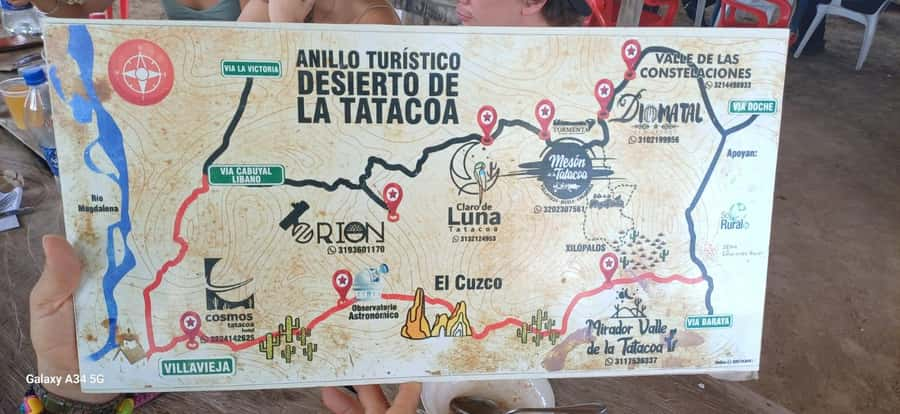
You begin in Neiva and travel by private vehicle toward Villavieja, the main gateway to the area. The private transport matters here. You will spend much of the day moving between separate sites, and having a dedicated vehicle is more comfortable than trying to link these stops independently.
The group limit of 15 keeps the experience smaller than a large coach outing. That should make it easier to hear the bilingual guide during walks and ask questions about plants, fossils, and local traditions. The exact guide’s name is not provided, so you should confirm who will lead your departure if that matters to you.
A few more trips around Colombia worth a look
- Medellin: Comuna 13 Graffiti Tour, Cable Car & Street Food
★ 4.8 · 9,046 reviews - Medellín: The Real Pablo Escobar Tour
★ 4.8 · 3,205 reviews - Cartagena: Historic Center and Getsemaní Shared Walking Tour
★ 4.9 · 2,716 reviews
Villavieja and the first look at Huila’s past
Villavieja is a brief opening stop, with about 10 minutes for a visit, orientation, and a short walk. The central plaza features an imposing Megaterio, a reminder that this region is tied to paleontology as much as it is to dry hills and cactus.
Do not expect a long town tour here. The stop is mainly a quick introduction before the outdoor portions begin. Still, it gives useful context. Fossils and prehistoric animals are not random additions to the day. They help explain why Tatacoa has scientific interest beyond its unusual colors.
If you are taking photographs, this is a quick chance to get your bearings before the schedule picks up. Keep your camera ready, but do not expect much free time in Villavieja.
A short Magdalena River cruise with wildlife
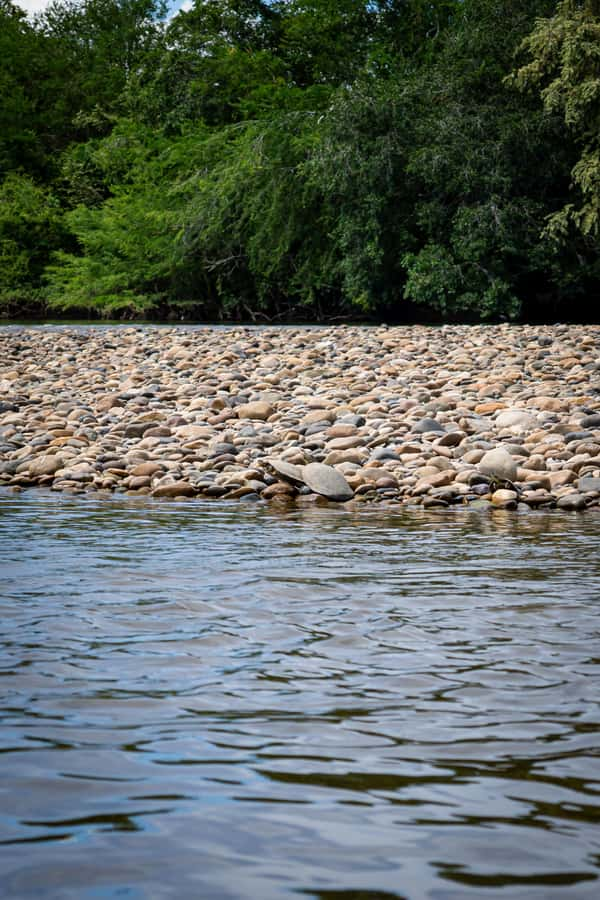
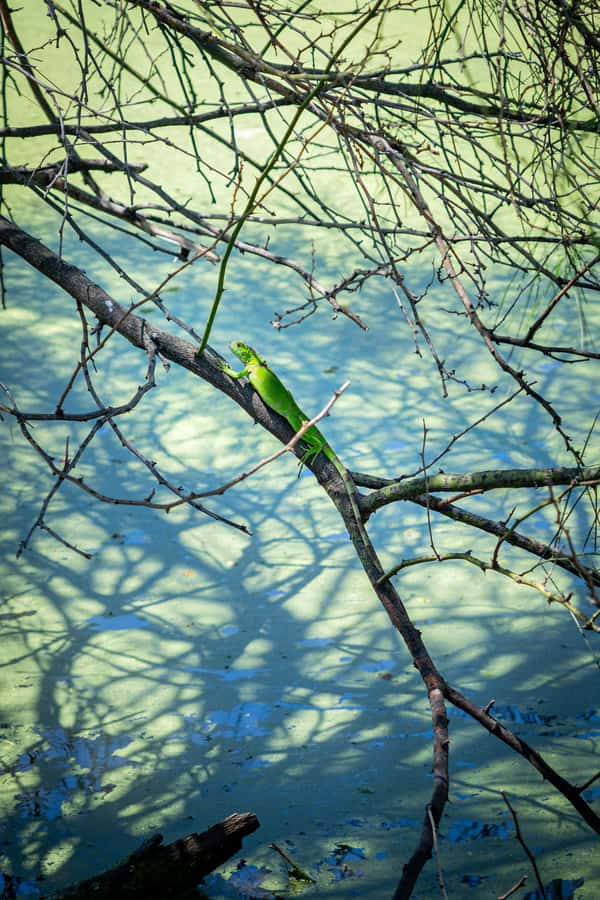
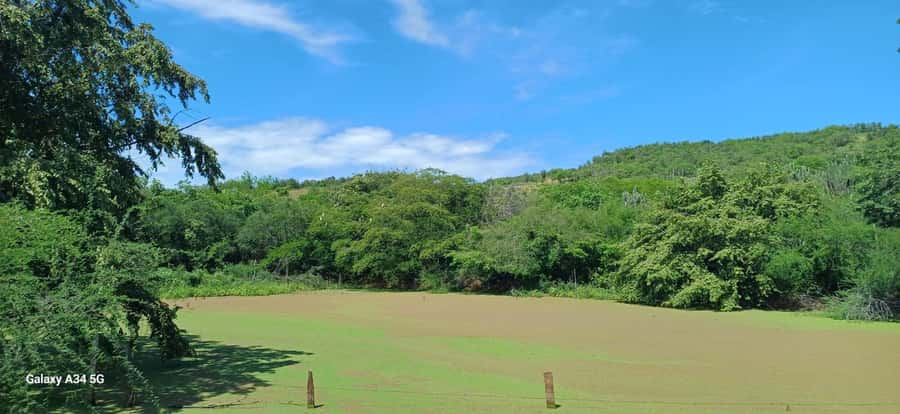
At Puerto Fluvial Malecón Ferri Motos, you board a boat for roughly 20 minutes. The river is a sharp change from the dry country ahead. This is where you have the best chance to see turtles, exotic birds, reptiles, and thick river vegetation.
The cruise is short, so it is worth treating it as a focused wildlife stop rather than a leisurely river excursion. Watch the banks and keep your phone or camera ready. Wildlife sightings are never guaranteed, but the route gives you a good reason to look beyond the red rock formations that usually dominate photographs of Tatacoa.
I especially like this part of the schedule because it prevents the day from becoming a string of dry viewpoints. You see how water supports a different kind of life in Huila, then continue toward the reserve and desert sites.
Cacti, reptiles, and a nature reserve
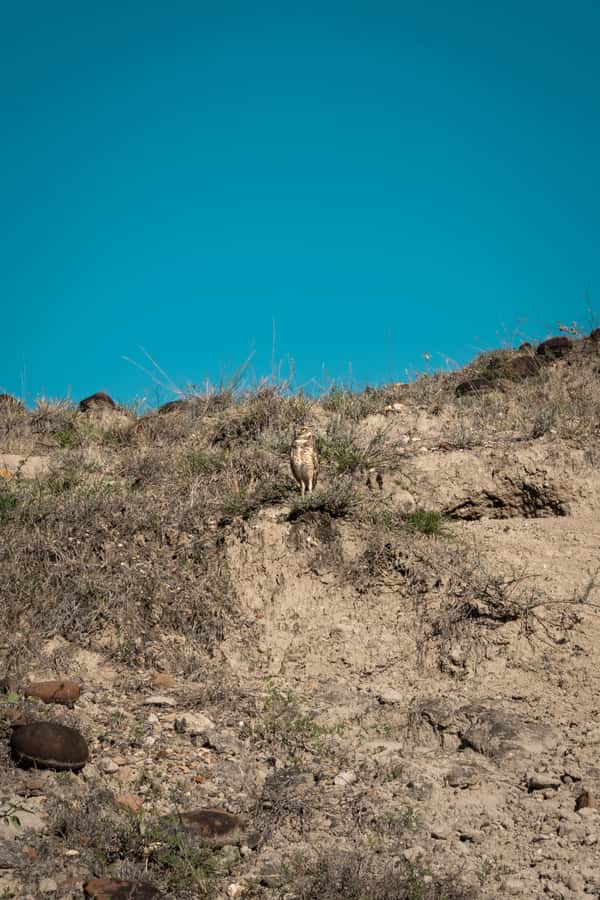
The nature reserve associated with Backpackers Neiva brings you into a quieter setting with lakes, reptiles, birds, and native cactus species. The guide explains the different types of cacti and their reproduction processes, which adds substance to what could otherwise be a quick photo stop.
Cacti are not just decorative plants here. They are central to how life functions in a dry region. Learning how they reproduce gives you a better way to read the vegetation during the later walks. You may also see birds and reptiles around the reserve’s lakes, though exact sightings depend on conditions.
This portion suits anyone who likes natural interpretation rather than scenery alone. It is also a useful pause before the longer walks. The schedule moves quickly, so listen closely when the guide explains the plants, since you may not get much time to stop at every example.
Same city, a different sort of day:
- Cartagena: Rosario Islands Catamaran with Lunch and Snorkel
★ 4.5 · 2,479 reviews - Bogota: Bicycle City Tour
★ 4.9 · 2,156 reviews - Medellín: Comuna 13 True Story and Street Food Tour
★ 4.9 · 1,779 reviews - Full-Day Rosario Islands Including Barú, Bocachica & Playa Blanca
★ 4.0 · 1,729 reviews
Walking through Xilópalos Valley
The Xilópalos Valley is one of the strongest sections of the day. You have about 110 minutes for a guided walk and hike among rock formations, fossils, and canyons. This is not simply a roadside viewpoint. You spend real time on foot, with the shapes of the valley becoming clearer as you move through it.
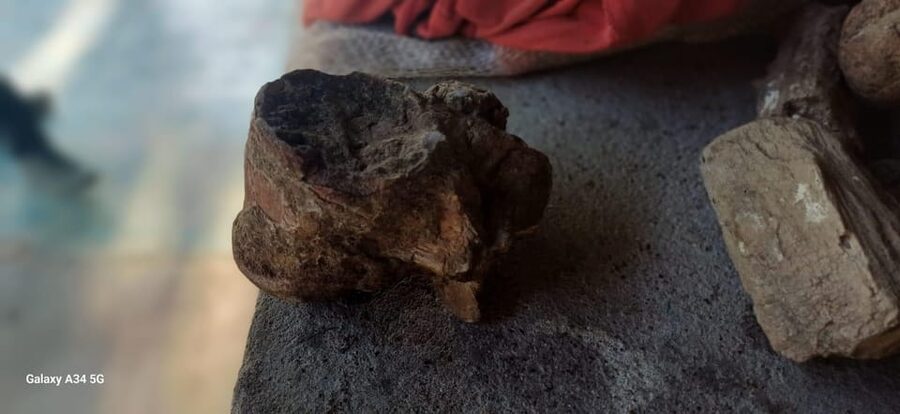
The geology gives the area its character. Erosion has cut the stone into forms that make the valley feel older than the nearby towns, while fossil material points to a much earlier natural past. The guide connects these features to the region’s paleontological importance.
Wear sturdy sports shoes. The tour is not suitable for people with mobility impairments, and the walking sections are a poor match if you need level paths or have a medical condition that makes heat and exertion difficult. You should also be comfortable with a full day outside.
The valley is also where the community focus becomes most visible. You have contact with local people, learn about traditions, and contribute to local development through the visit. That makes the stop more meaningful than simply photographing an unusual rock.
Regional lunch and free time
Lunch takes place in the Xilópalos area and is included in the price. It is described as a regional meal, which fits the tour’s focus on local communities and traditions. You also have about an hour of free time around lunch.
That hour gives you a useful break after the morning’s movement and before the afternoon walking. Do not think of it as a long restaurant stop with an extensive menu. The available details do not specify the exact dish, dietary options, or restaurant, so contact the operator in advance if you have food restrictions.
This is one place where the value of the tour becomes clear. You are not paying only for transport to a desert viewpoint. The price also covers a guide, lunch, private transport, and admission to the Red Desert and Xilópalos Valley.
Cooling off at the mineral pool
After lunch, you have around 105 minutes at the mineral pool. Swimming is optional, and admission costs an additional 10,000 Colombian pesos. Bring cash for this fee, since card payments are not commonly used in the area.
The pool is a welcome change after the heat and walking. It gives you time to slow down, swim, or simply rest in the open air. If you do not want to enter the water, the break still gives your legs a chance to recover before the next hike.
Pack a swimsuit if you want to swim, along with a towel if you need one. The supplied details confirm swimming and the admission cost, but do not specify changing facilities, so keep your expectations practical.
The Red Desert on foot
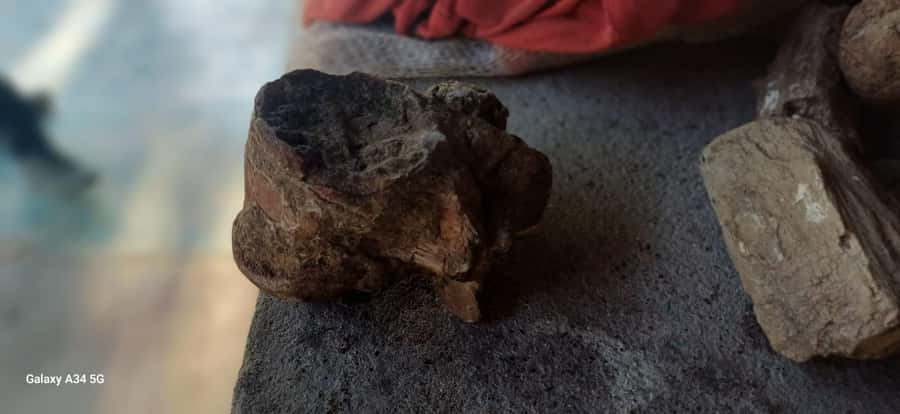
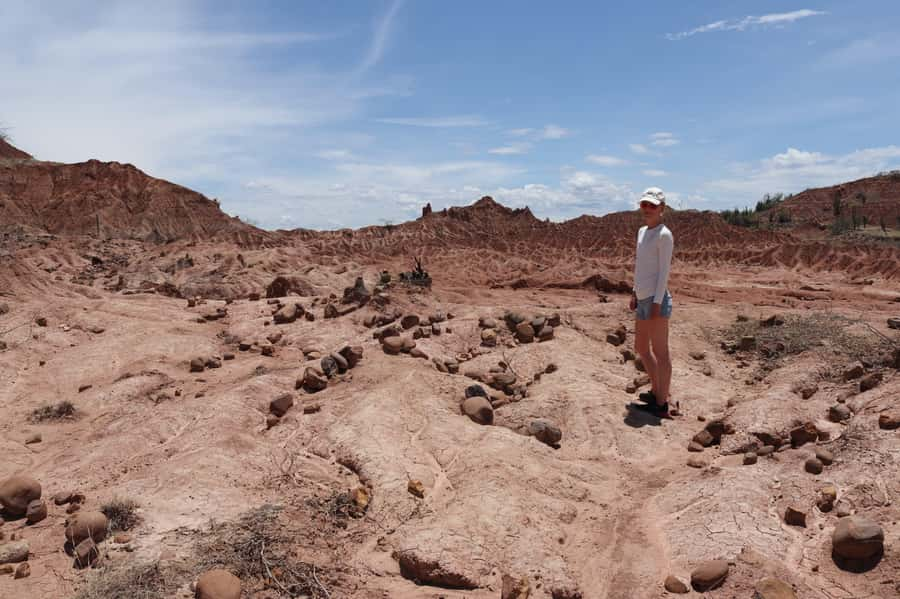
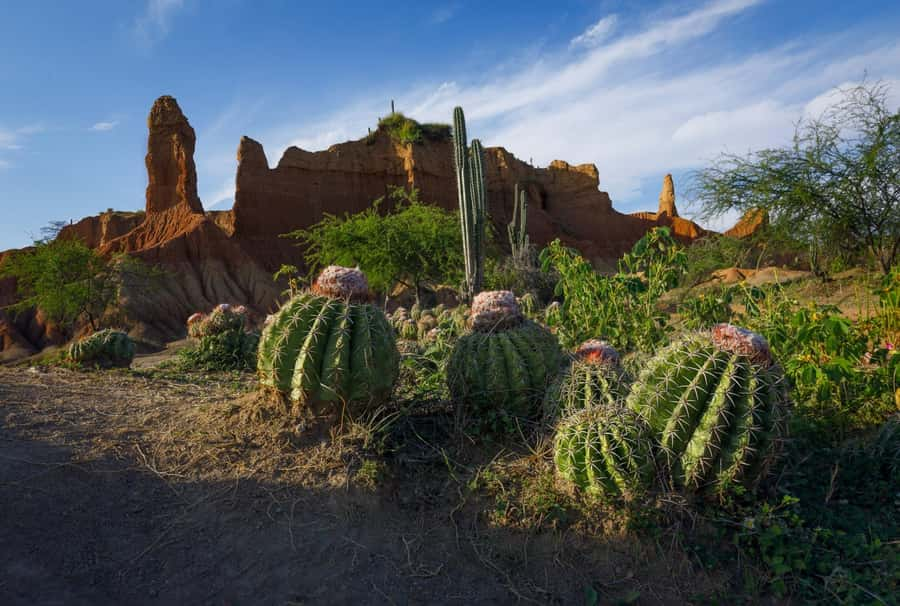
The Red Desert is the visual centerpiece for many visitors, with iron-colored soil, narrow formations, and signs of fossils beneath the surface. You have about 105 minutes for a guided walk and free time, enough to look beyond a single overlook.
The red tones come from iron in the soil, and the eroded shapes create the distinctive scenery associated with Tatacoa. Your guide can also point out paleontological features and explain why fossils matter in this region. The ground and heat make proper footwear, sun protection, and water essential.
This is another walking stop, not just a quick photo break. You will get more from it if you slow down and look at the layers, cracks, and changing colors instead of rushing from one viewpoint to the next.
The Red Desert can be hot and exposed. Sunglasses, a hat, sunscreen, and plenty of water are listed as essential items. Alcohol and drugs are not allowed, and bringing cash remains wise for the small extra costs later in the day.
Las Ventanas Mirador and the changing colors
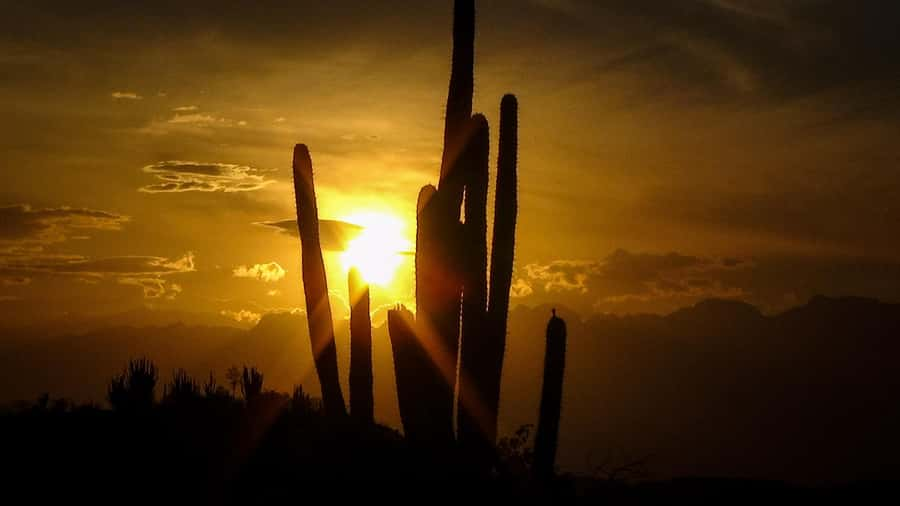
Las Ventanas Mirador is a 45-minute stop with scenic views along the route. It works as a transition between the afternoon’s geological sites and the evening astronomy visit.
The viewpoint gives you a chance to see the wider shape of the region rather than focusing only on the ground beneath your feet. It also offers a natural pause after the Red Desert walk. Keep in mind that the day has already been long by this point, so the stop may feel more restorative than ambitious.
Sunset timing can make this portion especially pleasant, but the exact appearance depends on the day’s schedule and conditions. The tour description identifies sunset at the observatory rather than promising a specific sunset experience at the viewpoint.
Ending beneath the stars at Astrosur
The final major stop is the Astrosur Astronomical Observatory, where you spend about two and a half hours with expert guidance about the universe. The visit is designed to complete the day with astronomy after a day focused on earth, fossils, plants, animals, and community life.
Admission is not included and costs 10,000 Colombian pesos. Bring cash. The observatory visit comes late, so you should be prepared for a return to Neiva after a full day of activity.
This ending is a smart choice for Tatacoa. The region is known for its dark skies, and astronomy gives you another way to understand the place. Instead of ending after the last desert walk, the tour adds a calm, educational night stop.
The exact viewing program is not specified, so do not book this expecting a guaranteed list of planets or celestial objects. Conditions and the observatory’s program will shape what you see. The guided format, however, means you will have explanations rather than simply standing outside and guessing at the stars.
What the $56 price includes
At $56 per person, the tour offers solid value if you want to cover many parts of Tatacoa in one day. The price includes private transportation from Neiva and back, a bilingual guide, lunch, admission to the Red Desert, and admission to Xilópalos Valley.
You will pay another 20,000 Colombian pesos for the mineral pool and observatory if you choose both. That is a modest extra cost, but you should budget for it in advance, along with drinks, snacks, and any other personal purchases.
The tour saves you the work of arranging separate transport between Villavieja, the river, reserve, valleys, pool, desert, viewpoint, and observatory. Its value is strongest for you if you have limited time in Neiva and want a broad introduction to the region without hiring several vehicles or guides.
If you prefer slow travel, one site per day, or long periods of quiet at each location, this schedule may feel crowded. The same full itinerary that makes it good value also makes it demanding.
Who should book this experience
I would choose this tour if you want variety and do not mind an early start or late return. It fits active visitors who enjoy short boat trips, nature walks, geological formations, community contact, swimming, and astronomy in the same outing.
It is also a good match if you want your spending to support local development. The Xilópalos visit adds a direct community element, rather than treating the region as scenery with no human connection.
You should think twice if you have motion sickness, a pre-existing medical condition, or limited mobility. The tour includes private road transport, a boat ride, heat, hiking, and a long final stop. It is not designed for an easy, low-effort day.
The small group limit of 15 is helpful, but it does not change the physical demands. Bring sports shoes, water, sunscreen, a sun hat, sunglasses, and cash. Comfortable clothing will make the long day easier.
Should you book it?
Book this tour if you want the Tatacoa region in full color: river wildlife, cacti, fossils, canyons, red soil, local culture, a mineral pool, and stars. The two hikes and boat ride are the strongest reasons to choose it, while the included transport, lunch, and bilingual guide keep the $56 price reasonable.
Skip it if you want a short desert visit or need a gentle pace. For an active visitor with one free day from Neiva, this is an efficient and unusually varied way to see Huila’s natural and cultural sides.
FAQ
How long does the Tatacoa tour last?
The experience lasts 14 hours, including pickup in Neiva, the visits around Villavieja and Tatacoa, and the return to Neiva.
Is transportation from Neiva included?
Yes. Private transportation from Neiva to the desert area and back is included, and pickup is available from your hotel, hostel, or Airbnb.
What languages are available?
The live tour guide speaks English and Spanish. A Spanish audio guide is also included.
Is lunch included?
Yes. A regional lunch is included during the stop at Xilópalos Valley.
Are the mineral pool and observatory admissions included?
No. The mineral pool costs 10,000 Colombian pesos, and the observatory costs 10,000 Colombian pesos. These fees are paid separately.
How large is the group?
The tour is limited to 15 participants.
What should I bring?
Bring sunglasses, a sun hat, sunscreen, water, sports shoes, and cash. Cash is especially important because card payments are not commonly used in the area.
Is the tour suitable for people with mobility impairments or medical conditions?
No. The tour is not suitable for people with mobility impairments, pre-existing medical conditions, or motion sickness. It includes road transport, a boat ride, walking, hiking, heat, and a long day outdoors.
Just added in Colombia
- Zipaquira: 5 hrs Salt Cathedral Tour★ 4.4 · 9 reviews
- Exotic Yacht – Tour through the bay of Cartagena★ 3.7 · 4 reviews
- Zipaquirá: Private Salt Cathedral Mine and Walking Tour★ 4.8 · 3 reviews
- Zipaquirá: Private tour to the Salt Cathedral, Colombia’s first wonder★ 4.9 · 33 reviews
- Wonders of Salt: Colombia’s Underground Cathedral★ 5.0 · 18 reviews
- Zipaquirá Salt Cathedral & Andrés Carne de Res (Chía)★ 4.6 · 30 reviews
- Villavieja: Tatacoa Desert Horseback Riding Tour★ 5.0 · 3 reviews
- Volcan del Totumo + Playa + Piscina★ 4.7 · 4 reviews