
Reviewed · FOOD & DRINK
Shared Tour Bogota’s Street Local Food
Bogotá’s food story makes the best sense one bite at a time. This walking tour takes you through the city center for local tastings, explaining why empanadas, obleas, ajiaco, and coffee belong to Colombia’s everyday table. You’ll also meet one of the country’s most curious combinations: hot chocolate served with cheese.
I like the mix of food and cultural background, especially the explanation of Indigenous traditions and European influence. I also like that you choose what to eat and pay for the tastings separately, which keeps the $13 tour price low. The main drawback is the walking: expect roughly 7 kilometers, and some of the food leans sweet. One person found there was simply too much sugar, so this may not suit you if you want a full savory meal.
Key points about Bogotá’s street-food walk
- The tasting menu is flexible: You choose the foods you want and pay about $9 to $10 extra for what you eat.
- Ajiaco gets proper attention: You learn not only what this famous Bogotá soup contains, but also the local way to eat it.
- Hot chocolate comes with cheese: This unusual pairing is one of the tour’s most memorable food lessons.
- Guides bring the history to life: Leo has received especially strong praise for clear explanations and an easygoing manner. Patricia has also led the walk.
- The route covers about 7 kilometers: Wear walking shoes and bring water, a rainproof layer, or an umbrella.
- Vegetarians have room to choose: About 70 percent of the food options are vegetarian.
Starting at the Museo del Oro
Your meeting point is easy to find: stand in front of Bogotá’s Museo del Oro and look for the red umbrellas marked Beyond Colombia. This puts you in the historic center, close to La Candelaria and several important city sights, though the tour itself is about food rather than museum visits.
The meeting point matters because it avoids the trouble of finding a small restaurant or street stall on your own. You begin with a guide who can explain what you are eating, how locals approach it, and where the food fits into Colombian life. English is the tour language.
The walk lasts 150 minutes according to the activity details, while the description calls it approximately three hours. Plan for about two and a half to three hours, with much of that time on foot and several stops to listen, taste, and move on. This is not a seated meal with a fixed sequence of courses.
The pace includes food, stories, and walking time. A solo visitor can fit in comfortably, too. The tour has a social format, but the experience has enough structure that you do not need to arrive with a group of friends.
A few more trips around Bogotá worth a look
- Bogota Food Tour with over 12 Tastings & Tejo
★ 4.9 · 454 reviews - Bogotá: Craft Beer Tour with Tasting
★ 4.9 · 120 reviews - Bogota: Colombian Coffee Tasting
★ 4.8 · 92 reviews
Empanadas, obleas, and the food of the street
The tour’s most useful subject is not simply what Colombian food tastes like, but why it looks the way it does. Your guide traces local cooking back to Indigenous communities and then explains how European influence changed ingredients, methods, and eating habits.
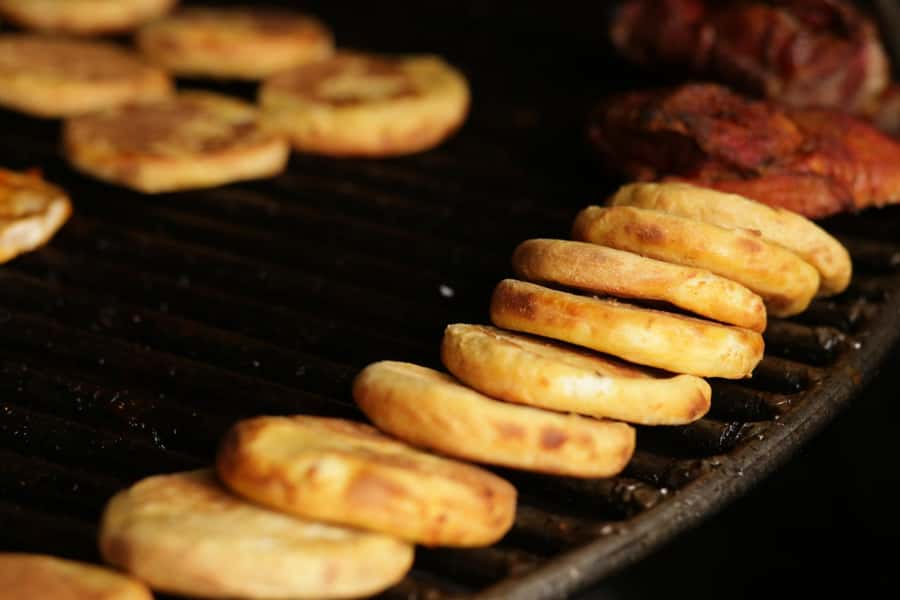
Empanadas provide a good starting point. These filled pastries are familiar across Latin America, but the tour focuses on their place in Colombia and the story behind their origins. You can expect an explanation of the fillings, preparation, and the toppings that should not be missed. Since food choices are separate from the tour fee, you can decide how much you want to sample.
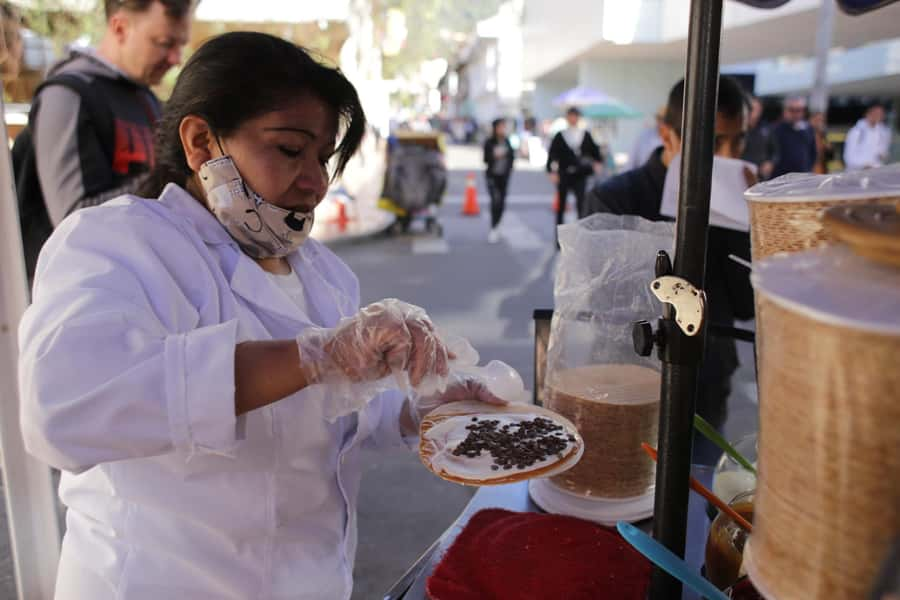
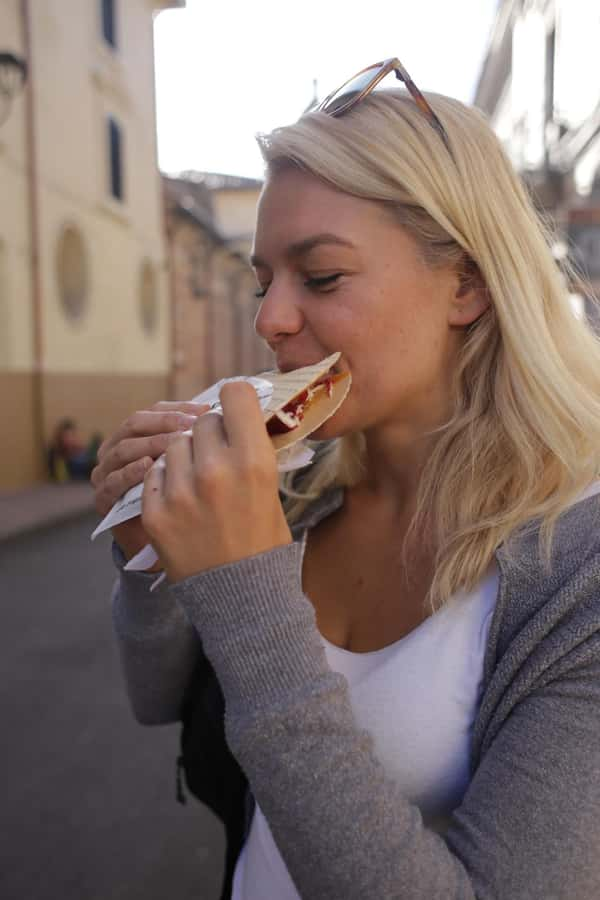
Obleas offer a completely different experience. These thin wafers are usually associated with sweet toppings, and the tour explains both their background and the combinations that make them worth trying. If you prefer savory food, keep this in mind: the route includes several sweet items, and the balance may not suit every appetite.
That sweet side is one of the tour’s few clear limitations. A German-speaking participant found the route good but personally had too many sugary foods. You can reduce that problem by choosing fewer sweet tastings, but the tour’s food stops are not designed as a savory lunch replacement.
Ajiaco and the proper Bogotá approach
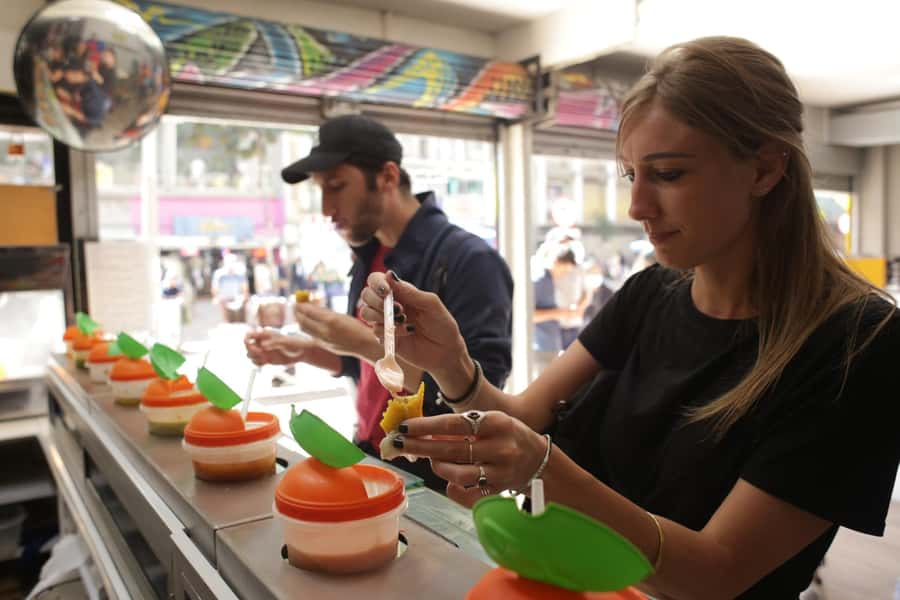
Ajiaco is the dish that gives the experience its strongest sense of place. This Bogotá specialty is a soup, and the tour uses it to explain how local ingredients and cooking traditions come together.
You also learn the best way to eat it. That detail is more useful than a simple list of ingredients because local dishes often come with their own habits, additions, and order of eating. Your guide explains how to approach ajiaco rather than leaving you with a bowl and no context.
The tour presents ajiaco alongside other examples of national cuisine, so you get a broader picture instead of treating one dish as the whole country’s food identity. Colombia is geographically varied, and a short walk in the capital cannot represent every regional kitchen. Still, ajiaco gives you a clear Bogotá reference point.
I would treat this as a tasting and lesson, not as the place to plan your only substantial meal of the day. The food is purchased separately, and the amount you eat depends on your choices. If you arrive very hungry, you may want to keep lunch or dinner plans open afterward.
Hot chocolate with cheese, aguardiente, and coffee
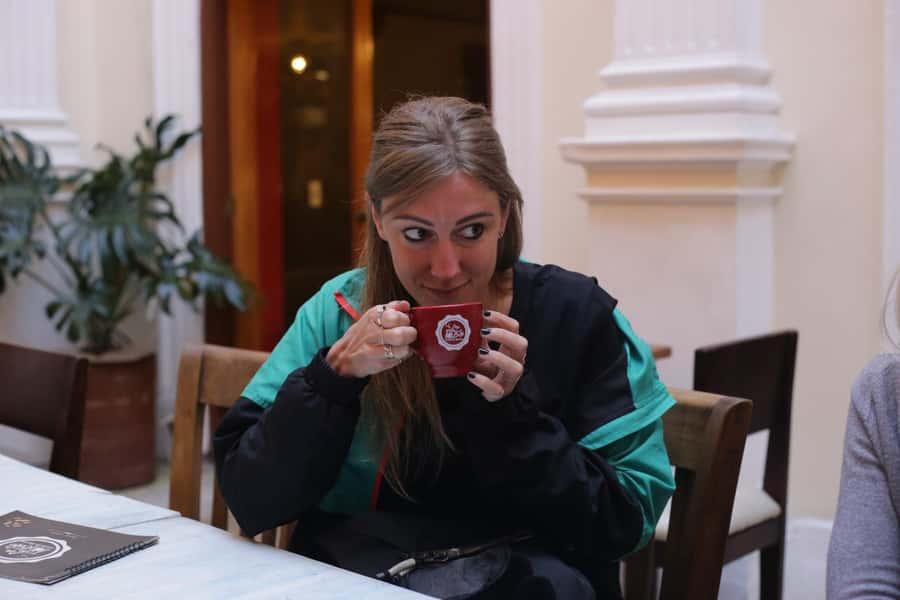
The most surprising food pairing on the route is hot chocolate with cheese. It may sound odd if you have never tried it, but the point of the stop is to show how Colombian eating habits can differ from what you expect. The guide explains how the combination is enjoyed and why it has a place in local culture.
This is exactly the sort of small food lesson that makes the walk more useful than ordering familiar dishes in a restaurant. You are not just checking off a snack. You are learning that hot chocolate need not be a sweet drink served alone.
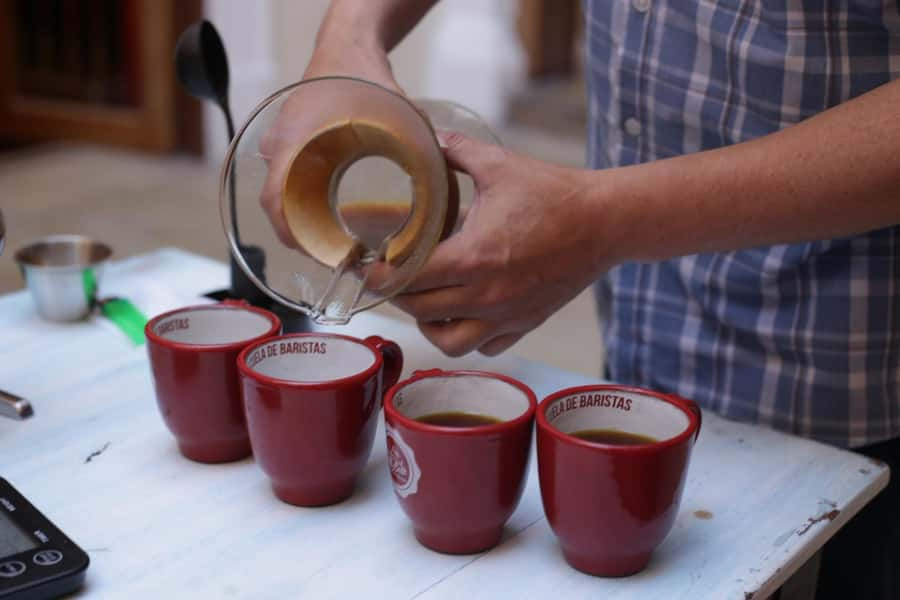
Coffee receives attention as well. Colombia’s coffee reputation is famous, but this experience focuses on coffee as part of daily Colombian life and on the capital’s food culture. If coffee matters to you, ask the guide for the recommended local places after the walk. Beyond Colombia provides suggestions for coffee, lunch, souvenirs, and other local stops.
Aguardiente brings a different mood. The guide explains the spirit’s local nickname, including the secret name used when people want to drink it at any time of day. The supplied information does not identify that name, so you should expect the story rather than a guaranteed drink. Food and drinks are not included in the $13 price.
That distinction matters. The tour fee covers the guide and route, but you pay for your own tastings. The estimated food and drink cost is about $9 to $10, depending on what you choose. Your total is therefore likely to be closer to $22 or $23 before any other purchases.
Same city, a different sort of day:
- Bogota: Bicycle City Tour
★ 4.9 · 2,156 reviews - Zipaquirá: Salt Cathedral Group Tour with Pickup
★ 4.8 · 1,606 reviews - Bogotá: Guided La Candelaria Walking Tour
★ 4.8 · 1,229 reviews - Bogotá: Private City Tour, Monserrate, Emerald and Botero
★ 4.9 · 798 reviews
Why the European influence matters
Colombian food did not develop in isolation. Indigenous cooking traditions form one part of the story, while European influence changed ingredients and habits over time. The guide connects these strands without reducing the cuisine to a simple blend of old and new.
This historical context gives the tastings more meaning. An empanada is not only a convenient snack. An oblea is not only a sweet wafer. Ajiaco is not only soup. Each becomes a small example of how Bogotá’s food culture developed.
The experience promises an objective explanation of Colombian gastronomic history. That is helpful if you want background without a sales pitch for one restaurant, dish, or regional viewpoint. The route also aims to use local food places in the historic center rather than polished dining rooms designed mainly for an international audience.
You should still keep your expectations realistic. A 150-minute walk cannot explain every Indigenous nation, regional recipe, or foreign influence in Colombia. What it can do is give you a practical framework for noticing food during the rest of your trip.
What the guides add to the walk
The strongest comments focus on the guides, particularly Leo. He has been described as clear, friendly, fun, and easy to talk with, while also giving detailed information about Bogotá and Colombia. That combination matters here because the route depends on explanation as much as eating.
A food walk can become a string of quick samples if the guide does not connect them. Leo’s role is to explain the background, keep the group moving, and allow time for food and conversation. One solo participant found the group easy to join, even without companions.
Patricia has also led the experience. If she is your guide, expect the same basic format: local food stops, historical explanation, and time to choose tastings. Individual guide style can vary, but the activity is built around direct conversation rather than recorded commentary.
The company, Beyond Colombia, has operated local tours since 2013 and offers several original walks in Colombia. The guide’s value is not only knowing food facts. It is also knowing how to place the food within Bogotá’s streets, history, and daily habits.
The walking demands of La Candelaria
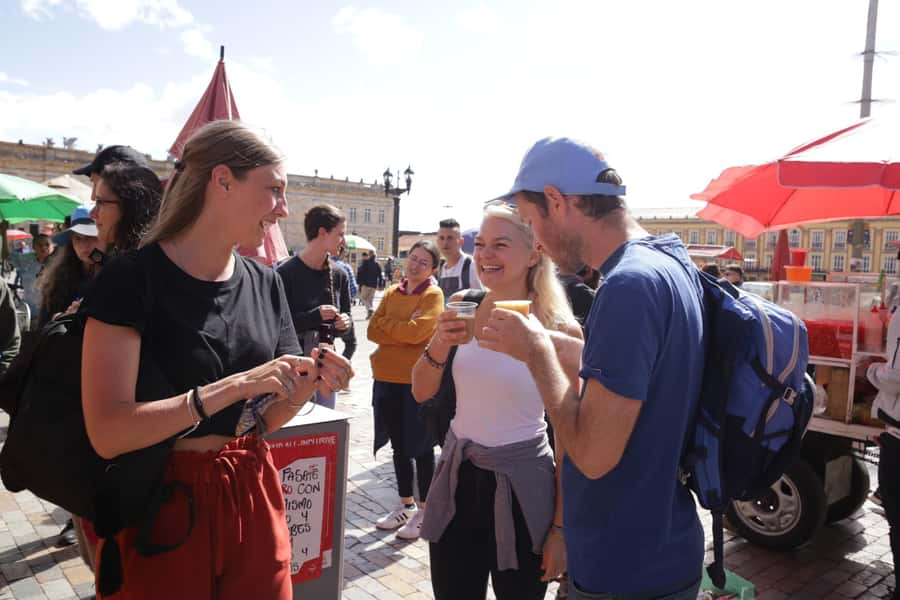
You will walk about 7 kilometers, with stops along the way. That is a serious distance for a food tour, especially in Bogotá’s changeable weather and crowded central streets.
Wear comfortable shoes and clothes. Bring water or another preferred drink, since you may become thirsty before the next stop. A rainproof coat or umbrella is important because the tour runs outdoors and the weather is not controlled.
Keep your belongings close. The route passes through crowded areas, and the practical local advice is not to display valuables casually. This is basic city sense, but it is particularly useful when you are stopping to eat, handling a phone, and listening to a guide at the same time.
The tour does not permit video or audio recording. That may disappoint you if you hoped to document every explanation, but it also keeps the walk focused on conversation and movement. You can take mental notes and use the guide’s later recommendations to plan your own meals.
The activity is not suitable for children under 12 or people over 65. The restriction appears tied to the walking and format, so consider the distance carefully rather than assuming the tour will feel like a short snack outing.
Is $13 a good value?
The $13 booking price is reasonable because it covers an English-speaking guide, the walking route, food history, local stops, and recommendations for later meals and shopping. The low base price also lets you control your spending.
The separate tasting cost is the key detail. You should budget around $9 to $10 for food and drinks, but the actual total depends on your appetite and choices. This pay-as-you-go approach works well if you want to sample carefully or need vegetarian options.
About 70 percent of the available foods are vegetarian, which gives non-meat eaters a fair amount of choice. Still, the route is not described as fully vegetarian, vegan, gluten-free, or allergy-specific. If you have strict dietary needs, ask the guide before ordering rather than assuming every stop will work for you.
The value is strongest if you want context. If you only want a large meal, the fee and extra tasting cost may seem less attractive. You are paying for a guided introduction to Bogotá’s food culture, not a restaurant dinner.
You also receive a wristband at the end, which may provide discounts with recommended partners. The exact discounts are not specified, so treat them as a possible bonus rather than part of your cost calculation.
Who should book this experience?
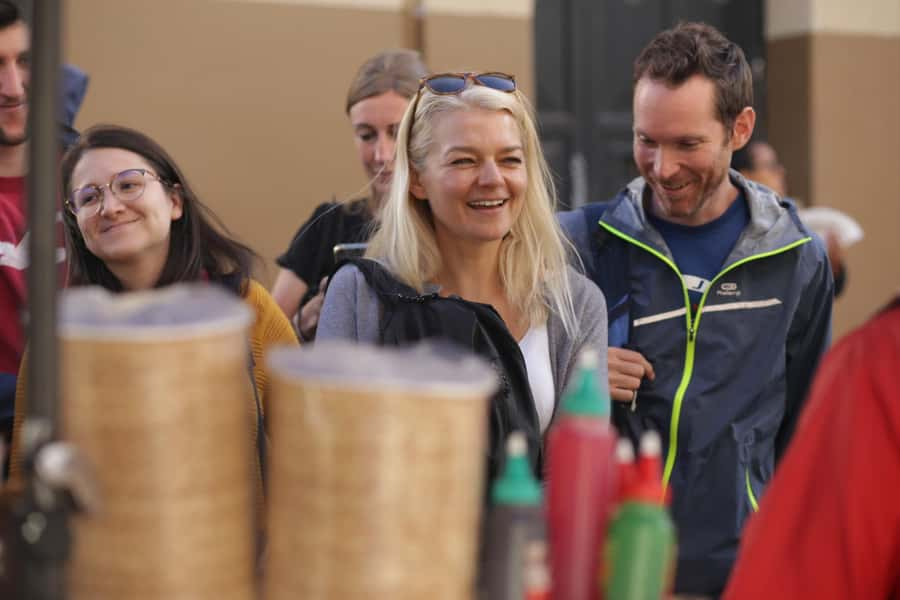
I would choose this walk if you are visiting Bogotá for the first time and want a gentle introduction to Colombian food without committing to a formal restaurant meal. It suits curious eaters who like asking questions and trying unfamiliar combinations.
It is also a good fit for solo visitors. The walk gives you a shared activity and a clear meeting point, while the guide supplies enough structure to make joining alone comfortable.
You may want to skip it if you dislike sweet foods, have trouble walking several kilometers, or want a fixed meal with all costs included. The route includes several sweet elements, and the food budget is separate from the booking price.
This is also not the best choice for a party group. Party groups are not allowed, and the experience depends on listening, walking, and learning as much as tasting.
Practical details before you go
Meet in front of the Museo del Oro under the red Beyond Colombia umbrellas. The tour is conducted in English and begins at a scheduled time, so check the available start times when booking.
You can cancel up to 24 hours in advance for a full refund, and you can reserve now and pay later. These policies help if your Bogotá plans are still changing, but the main preparation is simpler: wear good shoes, carry water, and pack for rain.
Tell the company if you can no longer attend. A guide is reserved for the group, and notifying the operator gives the guide a chance to adjust.
Should you book Bogotá’s street-food tour?
Book it if you want local food with explanation, not just a list of snacks. The unusual hot chocolate and cheese pairing, the story behind empanadas and obleas, the ajiaco lesson, and the aguardiente nickname give the walk plenty of character.
The strongest practical reason to go is the guide. Leo has drawn especially warm praise for his detailed information and relaxed manner, and Patricia has also led the route. The main cautions are the 7-kilometer walk, extra food costs, and the sweet-heavy balance.
For $13, this is a good-value introduction to Bogotá’s food culture. Budget another $9 to $10 for tastings, arrive ready for rain, and keep dinner plans flexible. If those conditions suit you, the tour should help you eat more confidently during the rest of your stay.
FAQ
Where does the tour meet?
Meet in front of the Museo del Oro in Bogotá, where you will find Beyond Colombia’s red umbrellas.
How long does the tour last?
The listed duration is 150 minutes. The description also calls it approximately three hours, so allow about two and a half to three hours.
Is food included in the $13 price?
No. Food and drinks are separate. You choose what you want to try and should expect to pay about $9 to $10 for tastings.
Is the tour available in English?
Yes. The tour has a live English-speaking guide.
How much walking is involved?
You will walk about 7 kilometers while stopping at food places and listening to the guide.
Are vegetarian choices available?
Yes. About 70 percent of the food options are vegetarian.
Just added in Bogotá
- Zipaquira: 5 hrs Salt Cathedral Tour★ 4.4 · 9 reviews
- Zipaquirá: Private tour to the Salt Cathedral, Colombia’s first wonder★ 4.9 · 33 reviews
- Wonders of Salt: Colombia’s Underground Cathedral★ 5.0 · 18 reviews
- Zipaquirá Salt Cathedral & Andrés Carne de Res (Chía)★ 4.6 · 30 reviews
- Private Zipaquira Salt Cathedral and Guatavita Lagoon Tour from Bogota★ 4.5 · 44 reviews
- MINA CATEDRAL DE SAL ZIPAQUIRA Tour Privado★ 4.5 · 38 reviews
- Hiking to the largest paramo on earth : Sumapaz★ 5.0 · 49 reviews
- Theatron Party-Tour, 20 Clubs, Map, cocktail, bottle, After-party★ 5.0 · 27 reviews
Food & Drink, compared.
Comuna 13 Graffiti Tour, Cable Car & Street Food
Read our review →
Street Food and Poblado Rooftop Tour with a Local
Read our review →
Boutique Rum and Chocolate Tasting at Lunático
Read our review →Browse the lists this tour appears in