
Reviewed · COLOMBIA
Tour to Punta Gallinas with Cabo de la Vela 3 Days
La Guajira gives you a Colombia that feels far removed from the country’s better-known colonial towns and coffee valleys. Over three days, you cross salt flats, dry desert, windblown beaches, and remote Wayuu communities on the way to Punta Gallinas, the northern tip of the peninsula. I like the sharp contrast between the brilliant white salt flats and the ocher Taroa dunes. I also like that the tour includes both Cabo de la Vela and Mayapo, so you get desert scenery as well as time by the sea.
The tradeoff is comfort and time on the road. Some drives last several hours in a shared vehicle, showers may use salt water, and October and November can bring weather changes or cancellations. If you want a polished resort trip, this is not it. If you want a demanding but memorable look at remote La Guajira, it offers a lot for the price.
Key things to know before you go
- Six people makes the shared ride manageable: Transportation is shared by up to six participants, plus a Spanish-speaking local guide.
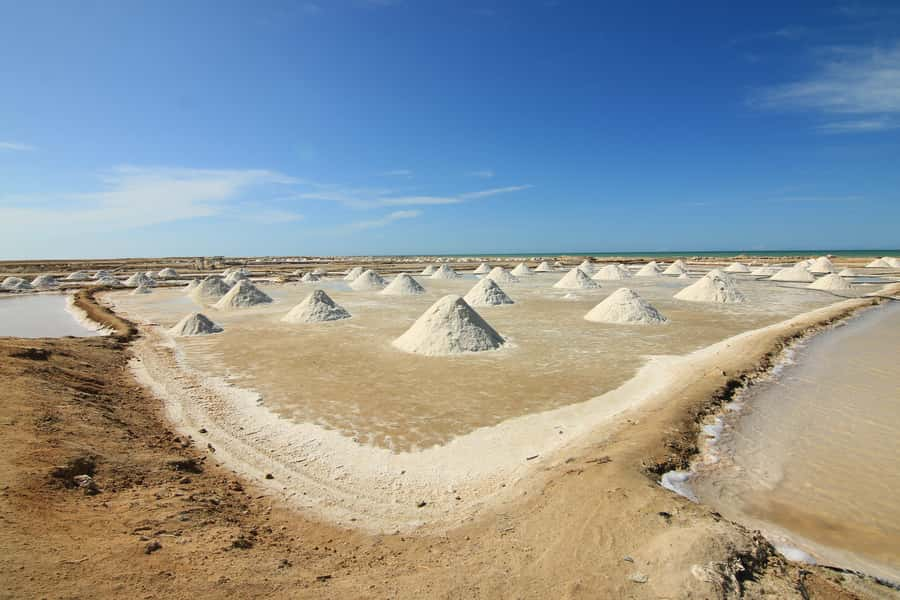
- Manaure adds a striking first stop: You pass working salt flats before reaching Cabo de la Vela.
- Cabo de la Vela packs in several beach stops: Dorada Beach, Pilón de Azúcar, Ojo de Agua, and the lighthouse fill the first afternoon.
- Punta Gallinas means real desert travel: Expect long vehicle transfers, Bahía Honda, Taroa dunes, Punta Aguja, and a remote ranchería.
- Food and lodging are included: The price covers two breakfasts, three lunches, two dinners, accommodations, and medical assistance insurance.
- Respect matters in Wayuu communities: Ask before taking photographs, and bring cash for expenses not covered by the tour.
Why this three-day route feels different
La Guajira is not a sightseeing circuit built around grand buildings and neat roads. It is a broad, dry peninsula where the main attractions are natural: salt, sand, wind, open water, and huge skies. The tour gives you a practical way to reach places that are difficult to connect on your own, especially Punta Gallinas.
The experience also brings you close to Wayuu communities. That contact is important, but it requires care. You may see families and children near the roads, and you may be approached for snacks, coffee, or other items. Carrying food or extra supplies is a personal choice, not a requirement. The key rule is simple: do not photograph people in Indigenous communities without permission.
The route is best understood as an overland trip with beach stops, not as three easy days at the coast. You will spend substantial time in a shared van or SUV. That makes the small group useful. Six people is still enough room for a social ride, but it is far more manageable than a large coach.
A few more trips around Colombia worth a look
- 3 Days in Malaga Bay (Pacific Coast)
★ 5.0 · 31 reviews - Leticia: Amazing Three Day Jungle Tours
★ 4.1 · 8 reviews
Day 1: Manaure salt flats and Cabo de la Vela
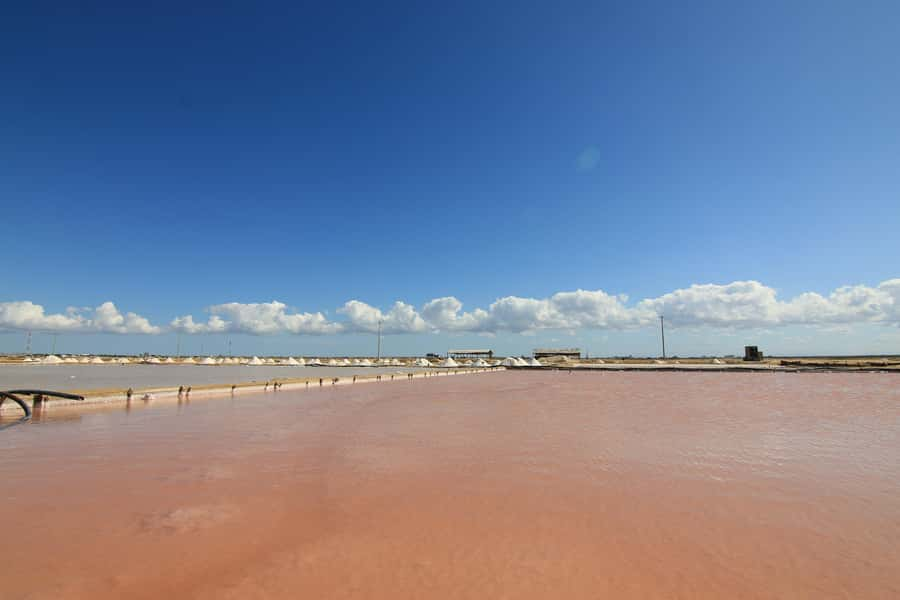
The tour begins in Riohacha and heads toward Cabo de la Vela, passing through Uribia and the Manaure salt flats. The salt flats are a strong opening because they show how closely daily work and the natural environment are linked in this dry region. White salt against the desert gives you one of the trip’s clearest visual contrasts.
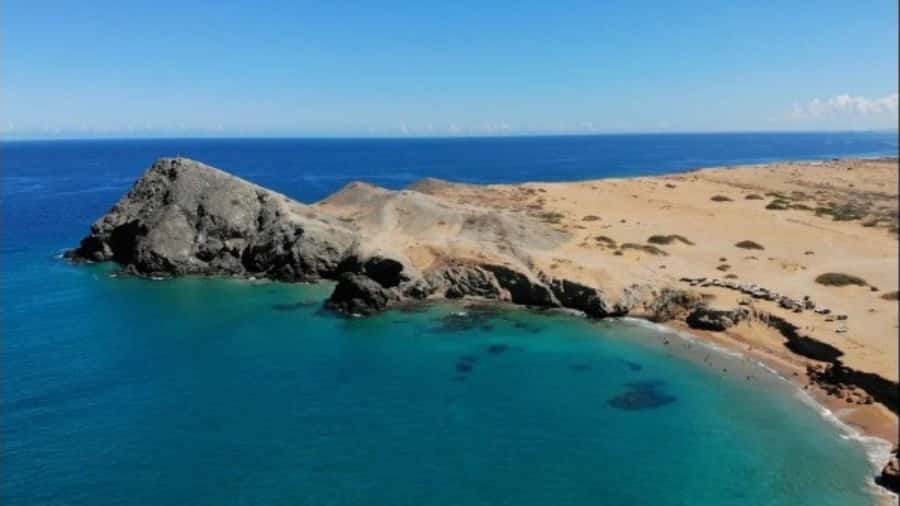
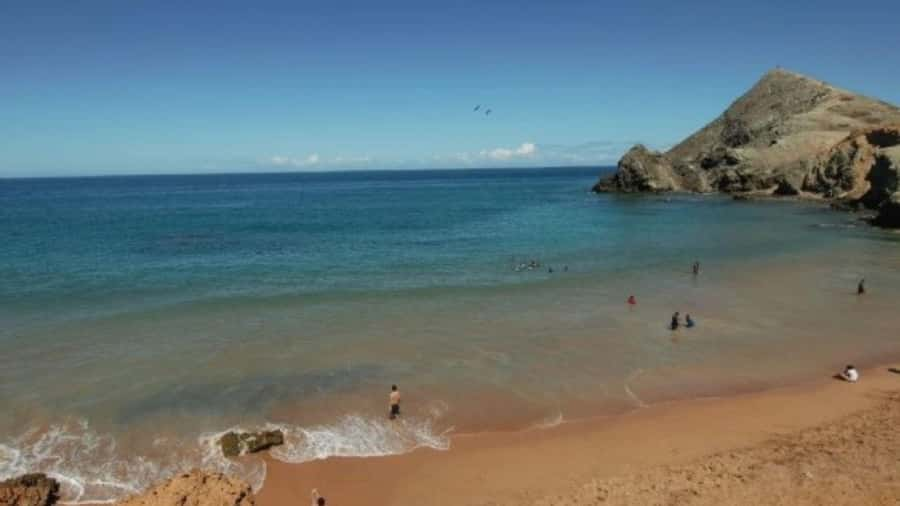
After reaching Cabo de la Vela, you stop for lunch. The day then turns into a series of beach and viewpoint visits. Dorada Beach comes first, followed by Pilón de Azúcar, one of the area’s best-known high points. You can walk, look out over the coast, and swim if conditions allow.
Pilón de Azúcar is worth treating as more than a quick photo stop. The appeal is the combination of dry ground, open sea, and strong coastal light. Bring a hat and water, since shade is limited in this part of La Guajira.
Next comes Ojo de Agua Beach. This gives you another chance to walk and swim, with a more relaxed feel after the climb and views at Pilón de Azúcar. The beaches are not presented as resort facilities, so you should expect a simple setting rather than rows of services.
Late in the day, you watch the sunset from the lighthouse at Cabo de la Vela. This is a smart time to visit. The heat is usually less harsh than in the middle of the day, and the broad view gives the first day a natural finish.
Dinner follows, then you sleep in Cabo de la Vela. Accommodation is described as comfortable beds, with hammocks or a room depending on the reservation. Confirm the exact arrangement when booking if sleeping in a bed is important to you. Even with a bed, this is remote coastal lodging, not a full-service hotel.
Day 2: Bahía Honda and the Taroa dunes
Day two starts with breakfast and the trip toward Punta Gallinas. This is the most remote-feeling section of the route. The schedule lists roughly three hours in a vehicle before lunch at Bahía Honda, followed by another long transfer of about two hours and forty minutes toward the dunes.
Those times matter. You should not plan to read the day as a chain of short stops. The road sections are part of the experience, but they can be tiring, especially in heat. Wear loose clothing, keep water within reach, and protect your face and eyes from sun and dust.
Bahía Honda provides a useful pause at a beachfront restaurant. Lunch breaks up the crossing and puts you beside the water before the route returns to the dry interior. Food is included, but drinks and personal purchases may not be, so cash is worth keeping handy.
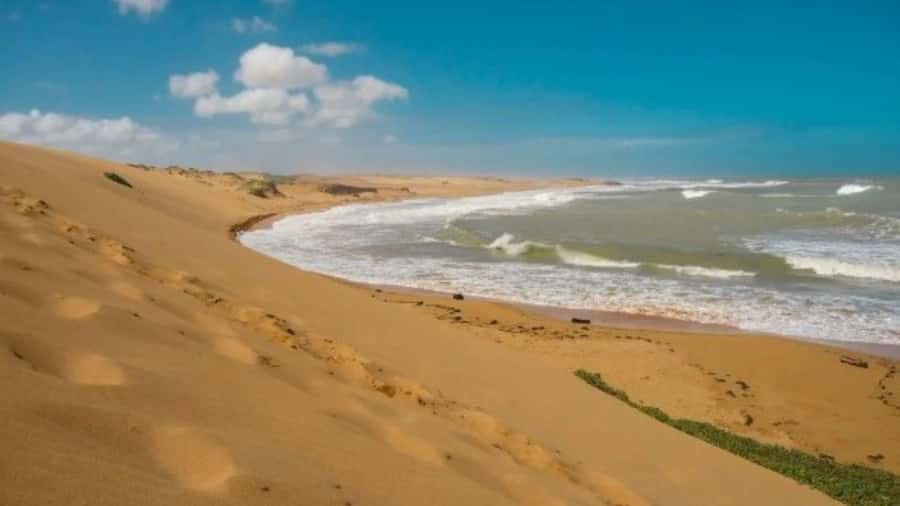
The main highlight is Las Dunas de Taroa. Here the desert reaches the sea in a dramatic way. You can enjoy the views, walk around, and take a bath if you want. Sand, wind, heat, and water all meet in one place, which makes Taroa one of the most memorable stops in the trip.
Bring swimwear and a change of clothes for this section. Sand can get into everything, and the combination of swimming and vehicle travel is easier if you have dry clothing available.
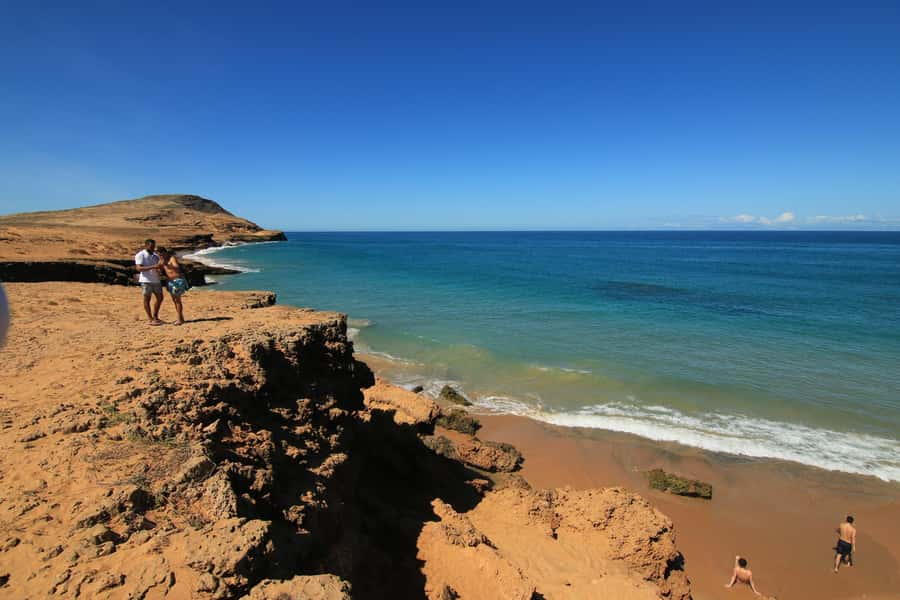
Later, the route continues to the lighthouse and Punta Aguja Beach. You can swim at Punta Aguja and watch another sunset there. The second evening has a different feel from Cabo de la Vela. Cabo offers several beach stops close together, while Punta Gallinas feels more remote and more dependent on the rhythm of the road.
Dinner is served at a ranchería, followed by another night in a hammock or room, depending on the arrangement reserved. The tour describes the accommodation as comfortable, but the salt-water showers require a little adjustment. Keep your eyes and mouth closed while rinsing, and use bottled purified water when brushing your teeth.
Day 3: A slow finish at Mayapo
After breakfast at the ranch, you begin the long return toward Riohacha. The listed driving time is about six hours, so Mayapo is not a minor final stop. It breaks up the journey and gives you several hours near the beach before the tour ends.
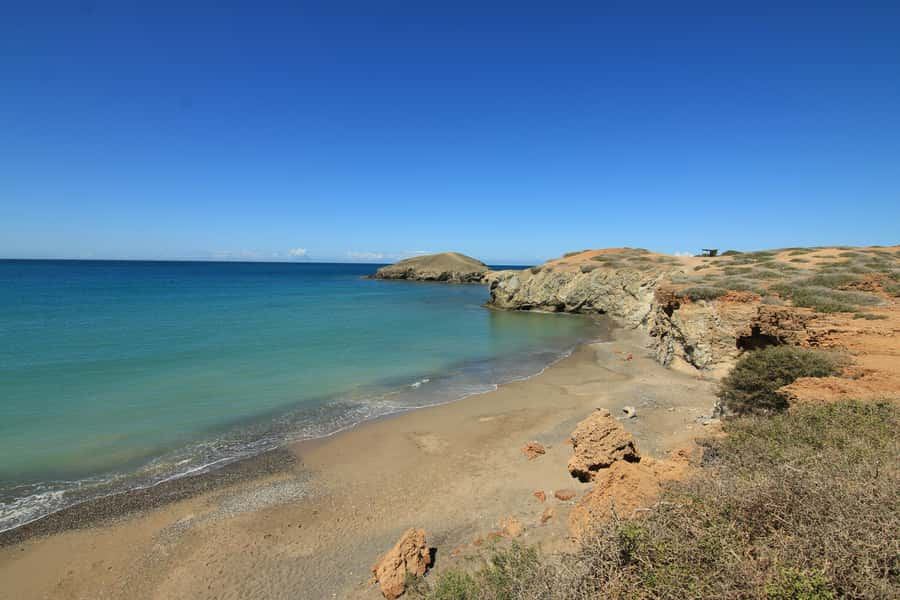
Mayapo is known here for sandy beaches, strong winds, and good waves. The area is suited to water sports, although the tour information does not promise equipment rental or instruction. You can swim, relax, and enjoy the beach, but bring your own expectations rather than assuming a full activity center.
Lunch is included at Mayapo. The stop is well placed because it lets you enjoy the coast before the final drive. After time at the beach, you arrive back in Riohacha in the middle of the afternoon.
This final day is long, but it avoids ending the trip with nothing but a vehicle transfer. I like that balance. You get one last beach stop instead of spending the entire day on the road.
Same city, a different sort of day:
- Medellin: Comuna 13 Graffiti Tour, Cable Car & Street Food
★ 4.8 · 9,046 reviews - Medellín: The Real Pablo Escobar Tour
★ 4.8 · 3,205 reviews - Cartagena: Historic Center and Getsemaní Shared Walking Tour
★ 4.9 · 2,716 reviews - Cartagena: Rosario Islands Catamaran with Lunch and Snorkel
★ 4.5 · 2,479 reviews
What the $439 price covers
At $439 per person, the tour is not a budget day trip. It is a three-day, two-night route into a remote part of Colombia, and the price includes much of what makes the trip possible:
- Transportation in a shared vehicle for up to six people
- Accommodations
- Two breakfasts
- Three lunches
- Two dinners
- The listed beach, salt-flat, desert, and viewpoint visits
- Medical assistance insurance
- A Spanish-speaking Baquiano guide
The value depends on how you count the driving and logistics. You are paying not only for visits to beaches and dunes, but also for access to a difficult-to-reach region, meals, local coordination, and transport between scattered sites.
The price is easier to justify if you want Punta Gallinas without arranging separate vehicles, lodging, and meals. It is less attractive if you want lots of free time, polished accommodation, or private transport.
Before paying, check what your sleeping arrangement will be. The information says hammocks or a room may apply depending on the reservation, while also describing accommodation in beds. That wording is worth clarifying directly so there are no surprises.
Food, water, heat, and basic comfort
La Guajira can reach temperatures of 42 degrees Celsius, with average temperatures listed between 22 and 30 degrees. The combination of heat, sun, wind, and long drives makes preparation more important than fashion.
Pack sunglasses, a wide-brimmed hat, sunscreen, swimwear, beach clothing, and a full change of clothes. A reusable water bottle is especially useful. You should also carry cash, since expenses not specified in the plan are not included.
The salt-water showers are a practical detail that many people overlook. Do not open your eyes or mouth under the water, and brush your teeth with purified water from your bottle. This is a small adjustment, but knowing it ahead of time makes the remote accommodation easier.
Alcohol and drugs are not allowed, and weapons or sharp objects are prohibited. Pregnant women and people over 95 are listed as unsuitable for the activity. The long vehicle transfers and desert conditions are the main reasons to think carefully about personal comfort and health.
Meeting Wayuu communities respectfully
The tour passes through Indigenous communities, and this is one of its most meaningful parts if you approach it properly. The Wayuu have their own customs and privacy, and the people you see are not scenery for your camera.
Ask for permission before taking any photograph. If you do not speak Spanish, your guide can help with basic communication. A small gesture of respect matters more here than collecting a perfect image.
You may encounter children or women asking for snacks, coffee, or other items during the drive. This can be emotionally difficult, especially when you see poverty beside a major tourist route. Be prepared for that possibility, and decide in advance how you want to respond. Do not assume that giving things is required or that one simple gesture solves a larger problem.
The Spanish-speaking Baquiano guide is important because this is not a route where signs explain everything. You will get more from the trip if you ask questions, listen carefully, and allow the guide to explain local places and customs.
Weather and seasonal changes
October and November are rainy months in La Guajira. Weather can lead to changes or prevent some activities from taking place. That may affect beach visits, road conditions, swimming, or access to particular viewpoints.
The free-cancellation policy allows cancellation up to 24 hours before departure for a full refund, and the reserve-now-pay-later option keeps payment flexible. Still, you should treat the schedule as weather dependent. Do not build an important flight connection immediately after the expected return to Riohacha.
The tour ends in the middle of the afternoon, but remote roads and rain can alter timing. Give yourself breathing room if you have onward plans.
Who will enjoy this trip most?
I would choose this tour if you want a broad first look at La Guajira and prefer having transport, meals, and lodging arranged. It suits people who enjoy beaches but also want salt flats, dunes, desert roads, and contact with local communities.
It is a good fit for a small group of friends, couples who can share a vehicle, and independent-minded visitors who do not need luxury. The included food and accommodations simplify a region where organizing each piece separately can be difficult.
I would think twice if you dislike long drives, hot weather, basic showers, shared transport, or changing plans. The trip is active in a low-key way, but it is not physically effortless. You walk, swim, climb or pass over sandy ground, and spend long stretches in a vehicle.
Should you book the Cabo de la Vela and Punta Gallinas tour?
Book it if your priority is seeing the best-known natural sights of northern La Guajira in a short, organized trip. The strongest parts are the salt flats, Pilón de Azúcar, Taroa dunes, Punta Aguja sunset, and the chance to experience two very different coastal areas.
Choose a different plan if you need private rooms, reliable schedules, English guiding, or a high level of comfort. The guide service is in Spanish, the vehicle is shared, and the weather can change the route.
For the right person, $439 buys a rare combination of access and variety: salt, desert, Indigenous culture, and open beaches in three days. Go prepared for heat, dust, basic facilities, and long drives, and the route can be a powerful addition to a Colombia trip.
FAQ
Where does the tour start and finish?
The tour starts in Riohacha and returns to Riohacha in the middle of the afternoon on day three.
How long is the tour?
The experience lasts three days.
What language does the guide speak?
The live guide service is in Spanish. The tour includes a Spanish-speaking Baquiano guide.
How many people are in the group?
Transportation is shared by up to six participants. The activity is described as a small-group tour.
Is transportation included?
Yes. Transportation by shared van or SUV is included, with capacity for six people.
What meals are included?
The tour includes two breakfasts, three lunches, and two dinners.
Where do I sleep?
Accommodation is included. You may sleep in a comfortable hammock or in a room, depending on what you reserved. The accommodation is also described as providing beds, so confirm the exact arrangement before departure.
Are the Manaure salt flats included?
Yes. The route passes through the Manaure salt flats on the way from Riohacha toward Cabo de la Vela.
Can I swim during the tour?
Yes. Swimming is listed at Pilón de Azúcar, Ojo de Agua Beach, Las Dunas de Taroa, Punta Aguja Beach, and Mayapo, subject to weather and local conditions.
What should I bring?
Bring sunglasses, a sun hat, swimwear, beach clothing, sunscreen, a change of clothes, cash, and a reusable water bottle.
Are photographs allowed in Indigenous communities?
You should ask for proper authorization before taking photographs in Indigenous communities.
What happens if the weather changes?
October and November are rainy months, and weather conditions may lead to changes or prevent some activities from taking place.
Just added in Colombia
- Zipaquira: 5 hrs Salt Cathedral Tour★ 4.4 · 9 reviews
- Exotic Yacht – Tour through the bay of Cartagena★ 3.7 · 4 reviews
- Zipaquirá: Private Salt Cathedral Mine and Walking Tour★ 4.8 · 3 reviews
- Zipaquirá: Private tour to the Salt Cathedral, Colombia’s first wonder★ 4.9 · 33 reviews
- Zipaquirá Salt Cathedral & Andrés Carne de Res (Chía)★ 4.6 · 30 reviews
- Wonders of Salt: Colombia’s Underground Cathedral★ 5.0 · 18 reviews
- Villavieja: Tatacoa Desert Horseback Riding Tour★ 5.0 · 3 reviews
- Volcan del Totumo + Playa + Piscina★ 4.7 · 4 reviews