
Reviewed · SAN BASILIO DE PALENQUE TOURS
Visit Palenque with natives : history, culture and ancestral legacy
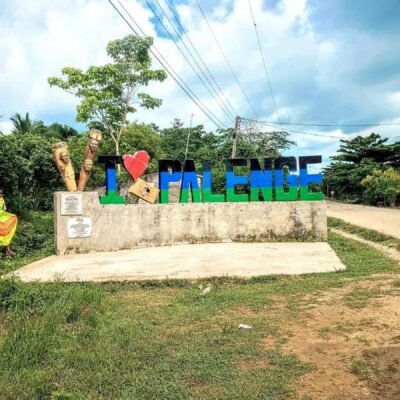
San Basilio de Palenque is not just a day trip from Cartagena. It is a living Afro-Colombian community founded by escaped enslaved people, where language, music, medicine, food, and memory remain part of daily life. The tour brings you into that story through local voices, from the Benkos Bioho monument to a medicinal patio and a boxing lesson.
I like the native guides, including hosts such as Neudis, Royman, Victor, and Leo, who connect each stop to their own community. I also like the hands-on approach: you may play traditional instruments, learn Palenque words, try boxing movements, and eat fish cooked in coconut sauce. The main drawback is the heat. You will walk a lot, and most stops have no air conditioning.
Key points to know before booking
- A private six-and-a-half-hour visit gives your group time to ask questions and move at a local pace.
- Native guides and translators make the history personal, with English support sometimes provided by guides such as Gabriel or Liliana.
- Nine stops cover daily life, from ancestral medicine and religion to music, murals, language, food, and boxing.
- Lunch is included, with fish, chicken, steak, pork, or a vegetarian option, plus bottled water.
- The tour costs $102 per person, a fair price if you value private transport and direct community contact.
- Plan for strong heat and plenty of walking, and bring a hat, water-friendly clothing, and comfortable shoes.
Why San Basilio de Palenque matters
San Basilio de Palenque is widely known as the first free African town in the Americas. Its story begins with Benkos Bioho, a man brought to Cartagena as an enslaved person near the end of the 16th century.
Bioho organized communities of escaped enslaved people, helped create systems of resistance, and negotiated with colonial authorities. In Palenque, he is remembered as a founder and guide toward freedom. His story is not presented as a distant chapter in a textbook. You encounter it at the monument that carries his name, then see how independence shaped the community that followed.
I find this setting especially valuable for anyone who has already seen Cartagena’s old city and wants to understand another part of the region. Cartagena’s colonial buildings tell one story. Palenque explains what happened beyond those walls, from the point of view of people who resisted enslavement and protected their own way of life.
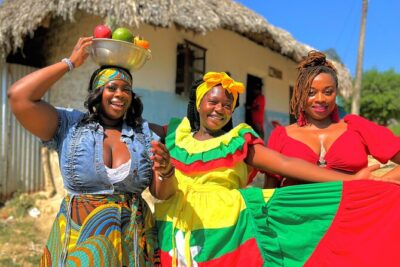
The tour is also about survival through culture. Palenque has preserved its own language, known as Palenquero, along with music, food traditions, hairstyles, medicine, and social customs. You are not simply shown artifacts. You meet people connected to those practices.
More Palenque trips from Cartagena
- Cartagena: Palenque´s tour, dance show, lunch, pick-Up inclu
★ 4.7 · 182 reviews - Tour a san Basilio de Palenque desde cartagena
★ 5.0 · 123 reviews - Cartagena: Palenque Tour and Road to Emancipation
★ 4.5 · 83 reviews
Arriving at the tourist parador
The visit begins at the community tourist parador. This is your starting point and orientation area, where you receive a welcome and a general explanation of Palenque.
That first hour helps you understand how the rest of the visit fits together. Instead of rushing straight to a photo stop, the guide can set out the basic story of the town, its people, and the meaning of the places ahead.
Because the tour is private, you can ask questions early. If you are traveling with family or friends, this is a good time to explain what you want to focus on, such as language, music, ancestry, food, or local history.
Meeting Benkos Bioho
The Benkos Bioho monument is one of the most important stops. Here, the guide explains Bioho’s role as a maroon leader, military organizer, political negotiator, and founding figure for Palenque.
The stop lasts about 30 minutes, which is enough time to place the monument in context rather than simply take a picture and move on. The story also gives meaning to the rest of the day. You begin to see music, family customs, and local institutions as parts of a long effort to protect freedom and identity.
This is one of the strongest parts of the experience for visitors interested in African diaspora history. It also gives you a useful comparison with resistance communities elsewhere in the Americas.
Inside the Simankongo House Museum
The Simankongo House Museum represents a traditional Palenque home. You learn about ancestral household items, building traditions, and the way earlier generations lived.
The value here is its ordinary scale. Grand monuments can explain political events, but a home shows how people cooked, rested, worked, and passed customs from one generation to the next. The stop lasts about 30 minutes, so expect a focused visit rather than a large museum with many galleries.
Some travelers who have taken the tour found this part especially helpful because it connected the town’s history with everyday life. You can expect the explanation to come from a local perspective rather than from a formal museum audio guide.
A few more trips around Cartagena worth a look
- Cartagena: Historic Center and Getsemaní Shared Walking Tour
★ 4.9 · 2,716 reviews - Cartagena: Rosario Islands Catamaran with Lunch and Snorkel
★ 4.5 · 2,479 reviews - Full-Day Rosario Islands Including Barú, Bocachica & Playa Blanca
★ 4.0 · 1,729 reviews - Cartagena de Indias: 2-Hour Sunset Cruise
★ 4.7 · 1,105 reviews
Learning from the medicinal patio
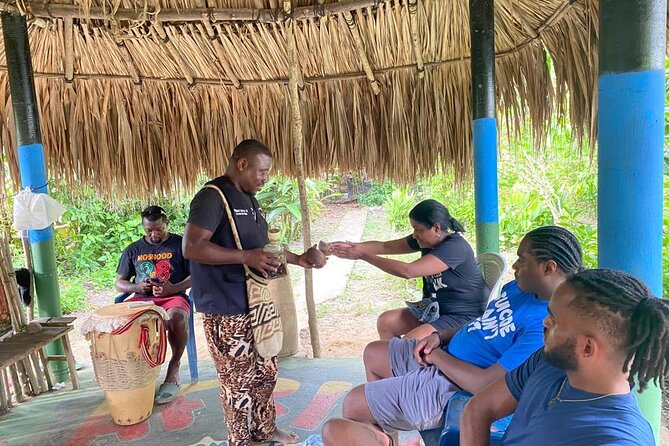
At the medicinal patio, traditional doctors explain the role of ancestral medicine and introduce plants used to treat different ailments.
This stop does not replace modern medical advice, but it does show how people have used the plants around them and passed practical knowledge through families and community specialists. It is one of the clearest examples of culture as something used, not merely displayed.
The half-hour visit can be meaningful if you are interested in plants, local customs, or the relationship between health and tradition. Ask questions, listen carefully, and treat the information as cultural education rather than a prescription.
Playing music with Kombilesa Mi
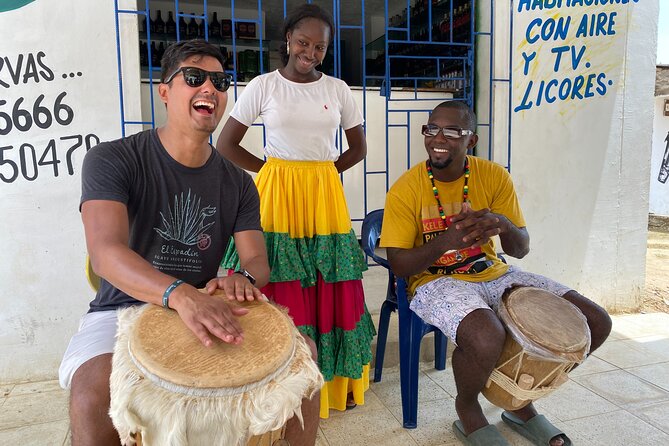
Kombilesa Mi is described as a cultural and musical movement from the community. Here, you have the chance to interpret traditional music and instruments alongside members of the group.
This is one of the most interactive sections of the day. You are not expected to be a musician. The point is to participate, hear the rhythm from close range, and understand how music carries language, memory, celebration, and identity.
One important detail: a traditional Batata music and dance presentation is not included in the listed price. You should not assume that every possible musical performance is part of the standard booking. The Kombilesa Mi activity is included in the planned visit, while the separate Batata presentation is listed as an extra.
Walking the mural route
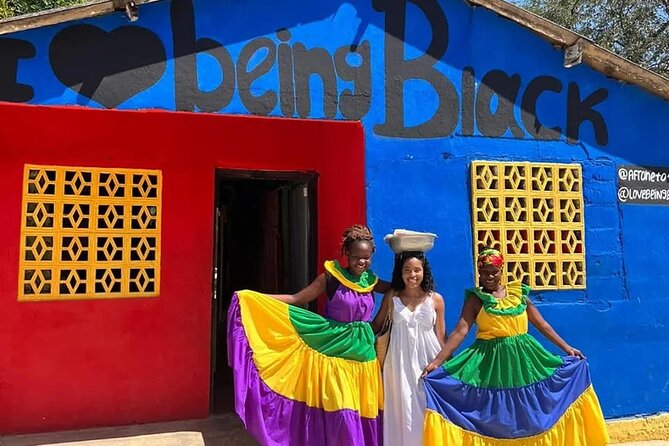
The mural route takes you through Palenque’s streets, where identity murals explain people, events, and symbols tied to the community.
This is a good point in the day for photographs, but the murals are more useful when you take time to ask what they mean. The route turns the town itself into part of the learning experience. You are walking through public art rather than moving from one indoor attraction to another.
The heat can be intense, especially during the street portions. Wear sneakers or other sturdy walking shoes, and carry the bottled water supplied with the tour. A hat, fan, umbrella, or water spritzer can also help.
Understanding Palenque’s religious life
The religiousness stop examines the imposition of Catholicism and the community’s own understanding of religious practice.
This is a thoughtful subject because it moves beyond a simple Catholic versus African tradition explanation. The guide discusses how outside religious systems were imposed and how Palenque maintained its own forms of belief and meaning.
You may find this stop less visual than the murals or music, but it adds needed context. It shows that cultural survival is not only about food, clothing, or instruments. It also concerns how a community explains life, death, duty, and the unseen world.
The Kid Pambelé monument and boxing lesson
At the Kid Pambelé monument, the guide explains the importance of Antonio Cervantes Reyes, the Colombian boxing champion better known as Kid Pambelé.
The stop links national sports history with local pride and development. It ends with a short boxing class, so you can try a few movements rather than only hear about the champion.
This is likely to be a hit with families and groups of friends. It also provides a change of pace after the more serious history and religious discussions. Do not expect a full training session. Think of it as a brief, playful introduction tied to an important local figure.
Lunch cooked from fire pit to bijao
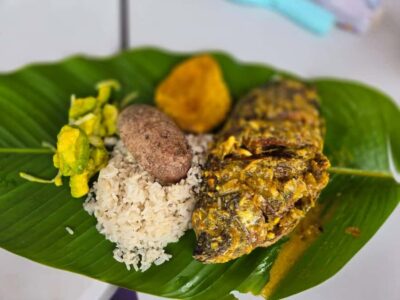
The final stop is lunch, described as food prepared from the fire pit to the bijao. The main option is fish in coconut sauce, with other choices including fried fish, fried chicken, steak, stewed pork, and vegetarian food.
The meal matters because food often explains place better than a lecture. Coconut, fish, cooking methods, and serving customs give you another way to understand Palenque’s daily life. A well-loved part of this meal is the fish in coconut sauce, though you can choose another option if fish is not for you.
Lunch and bottled water are included in the $102 price. That helps the value, since the fee also covers an air-conditioned vehicle and a private visit. The meal is not a luxury restaurant experience. It is a local community lunch, and that is the point.
Guides, translation, and the pace of the day
The guide assigned to your group may vary. Names connected with this experience include Neudis, Royman, Victor, and Leo. English-language support has also been provided by translators such as Gabriel and Liliana.
That distinction matters. Some parts of the visit are led by a native guide, while translation may be handled by another person. The best moments come when the guide shares personal connections to the community and the interpreter carries across the details and emotion.
The tour is private, so only your group participates. That makes it easier to stop for questions, adjust the pace, and give attention to a person who needs a break. It also means the quality of the experience depends partly on the individual guide assigned that day. One less positive account found the guiding less polished than expected, so you should book this for direct local contact, not for the formal style of a major museum tour.
What the $102 price gives you
At $102 per person, this is not the cheapest way to leave Cartagena for a few hours. The price is easier to justify when you consider what is bundled together: private transportation in an air-conditioned vehicle, a native-led cultural program, English translation when arranged, lunch, and bottled water.
You are also supporting community tourism rather than paying only for transport to a photo stop. Several local people may contribute to the day through music, medicine, boxing, guiding, and food.
The value depends on your priorities. If you want polished historical narration, a cool indoor setting, or a short sightseeing outing, this may not suit you. If you want access to many parts of community life in one day, the price is reasonable.
Heat, walking, and practical preparation
This is a six-hour-30-minute experience, and much of the visit takes place outdoors or in buildings without air conditioning. You should expect heat, street walking, and repeated transitions between stops.
Wear sneakers or comfortable walking shoes. Bring a hat, sunscreen, and extra ways to cool down. The tour includes bottled water, but carrying your own refill or additional drinks is sensible, especially if you are sensitive to heat.
The tour requires good weather. If poor weather causes cancellation, you can receive a different date or a full refund. You can also cancel for a full refund up to 24 hours before the start time. A minimum number of participants is required for the experience to operate, even though the activity itself is private once confirmed.
Most people can take part, but the walking and heat are worth considering before you book. Tell the operator about food needs in advance if you require the vegetarian meal.
Who should book this Palenque experience?
I would choose this tour if you want more than Cartagena’s historic center and you care about African Colombian history, living traditions, and direct contact with local people.
It suits solo visitors, couples, and small groups. The private format is useful for families, and the music and boxing activities give children something active to do. The tour also works well for visitors who want to learn Palenquero words, understand local food, or see how ancestral medicine and modern community pride fit together.
I would think twice if you dislike heat, walking, informal settings, or translated conversation. This is not a passive bus ride with a quick stop. You are expected to listen, participate, and stay open to a community presenting itself on its own terms.
Should you book it?
Book it if you want a personal introduction to San Basilio de Palenque and are willing to trade polished facilities for real community contact. The strongest reasons are the native guides, the wide range of subjects, the hands-on music and boxing, and the chance to eat a local lunch after seeing how the community protects its heritage.
Skip it if you want a cool, highly structured attraction with no outdoor walking. For everyone else, this is one of the more meaningful day experiences you can add to a Cartagena visit. Bring comfortable shoes, prepare for heat, and leave room in your schedule to listen.
FAQ
Where does the tour take place?
The experience takes place in San Basilio de Palenque, reached from Cartagena by an air-conditioned vehicle.
How long does the tour last?
The tour lasts approximately six hours and 30 minutes.
Is the tour private?
Yes. Only your group participates in the private tour.
Is lunch included?
Yes. Lunch includes a choice of fish in coconut sauce, fried fish, fried chicken, steak, stewed pork, or a vegetarian option.
Is bottled water included?
Yes. Bottled water is included.
Is traditional music and dance included?
A Kombilesa Mi cultural and music activity is part of the planned visit. A separate presentation of traditional Batata music and dance is not included.
Can I cancel for a refund?
You can cancel at least 24 hours before the experience start time for a full refund. Cancellations or changes made less than 24 hours before the start time are not refunded or accepted.
Just added in Cartagena
- Cartagena: CITY TOUR IN ENGLISH, Old city, Monuments, Castle★ 4.4 · 5 reviews
- Cartagena: White Night Boat Tour with Dinner and Open Bar★ 4.6 · 12 reviews
- Cartagena: Speed Boat Party on the Bay with open bar★ 4.3 · 12 reviews
- Cartagena: Sunset in boat in the bay with music and liquor★ 4.5 · 46 reviews
- Cartagena: Walled City Walking Tour★ 4.4 · 26 reviews
- Cartagena Travel Memories: A cover magazine Photo Shoot★ 5.0 · 8 reviews
- Cartagena: Tour the emblematic Cerro de la Popa★ 4.5 · 6 reviews
- Cartagena: Islabela Islands Boat Trip with Lunch & Cocktail★ 4.1 · 41 reviews
San Basilio de Palenque Tours, compared.
Palenque´s tour, dance show, lunch, pick-Up inclu
Read our review →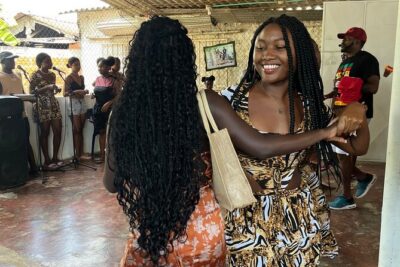
Tour a san Basilio de Palenque desde cartagena
Read our review →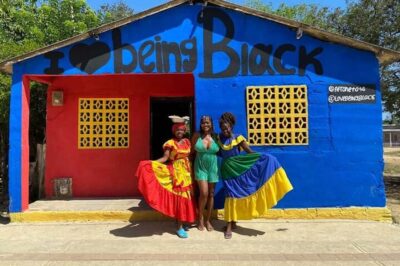
Browse the lists this tour appears in